|
ANIMAL
ITEMS:
Alaska Carvings & Travels
Alaska
Artifacts
Animal Carvings-Other
Australian
Art
Bronze Works
Bug & Crab Specimens
Exotic Leather Accessories
Gator Items
Gem Animals
Narwhal Tusks
Parasite
Wood Carvings
Safari Animal
Mounts
Sawfish bills
Shark Items
Shark Jaws
Tagua Nut Carvings
Teak Carvings
JEWELRY
ITEMS
Amber Items
Brooches
Cameos
Czech
brooches
Dichroic Glass
Jewelry
Earrings
Eyeglass Holders
Fairy Stone Crosses
Hatpins
Key chains
Maori Fish Hook Necklaces
Music
Jewelry
Necklaces
Opals &, Ivory Items
Pendants
Rings
Titanium
Jewelry
Vintage
Jewelry
FOSSIL ITEMS
Cave Bear Fossils
Dinosaur
Fossils
Mammoth
Fossils
Fossils-Others
Poop Fossils
Poop-Moose & Deer
Fossil Shark Teeth
CLOSEOUT
SALES:
Marbles
Closeout
Sales-Other
ROCK ITEMS
Meteorites
Rocks & Mineral-Other
OTHER COOL
STUFF FOR SALE
Alien Gifts
Boxes boxes
Gemstone
skulls
Indian
Artifacts
Medallions & Coins
Swords,
Daggers, Knives
The Weirdest
Zoo
books & Books
HUMAN
INTEREST
About Us
Cool
Customers
Jesse Nusbaum, Artist
Latest
Travels
2013 Travel America
Newsletter
Support Our Troops
Tina Memorial
Zany & Fun
FOLLOW us on TWITTER for
special DISCOUNTS



| |
You Are On: Fossils Page 3
Click To Go To:
Fossils Page 1 Page
2 Page 4 Page 5
Page 6 Page 7 Page
8 Page 9 Page 10
Page 11
Page 12
Page 13 Page 14
(TABLE OF CONTENTS ON PAGE 1)
Contents:
porpoise/dolphin, shark, ground sloth, marlin, bonita snout, drum fish, snake, rhino, glyptodont, armadillo, tapir, ray, stingray,
modern stingray barbs, porcupine fish, seal, llama,
ferns, orthoceras, shells
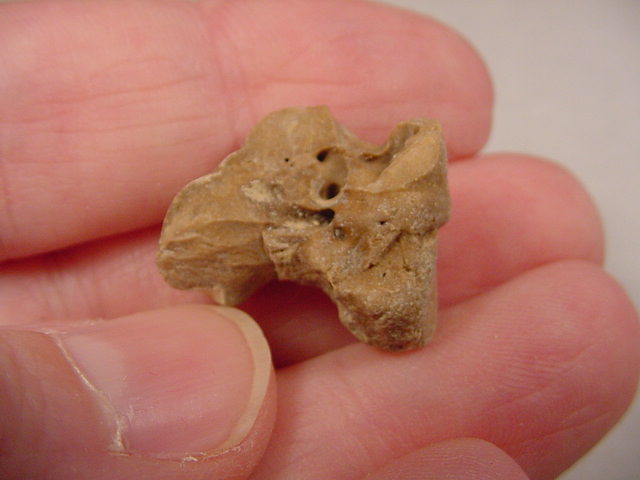
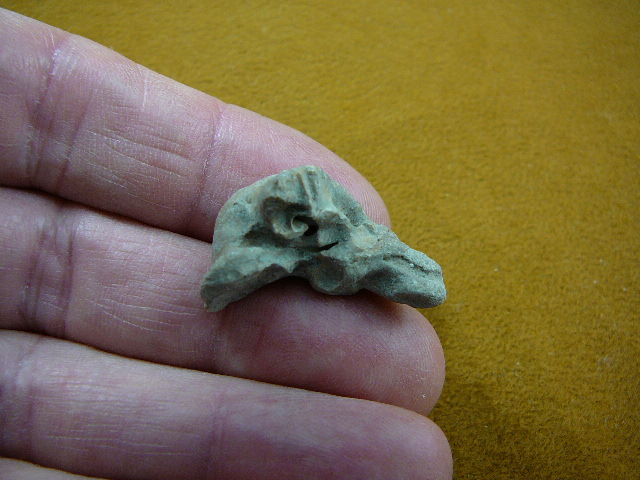
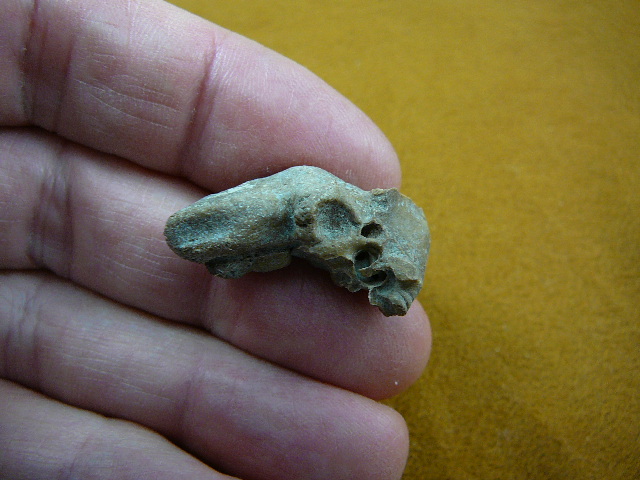
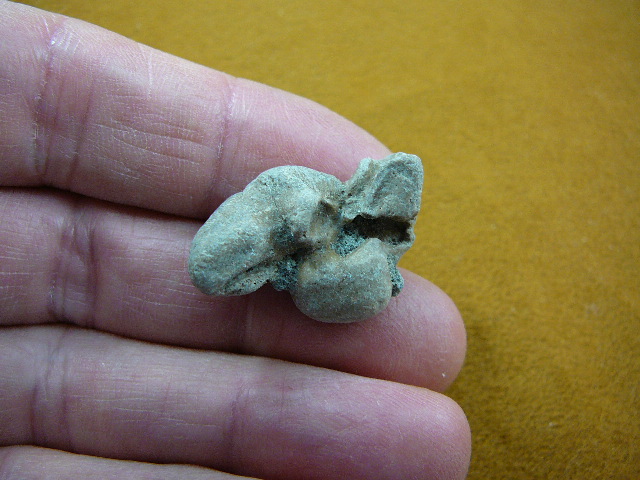
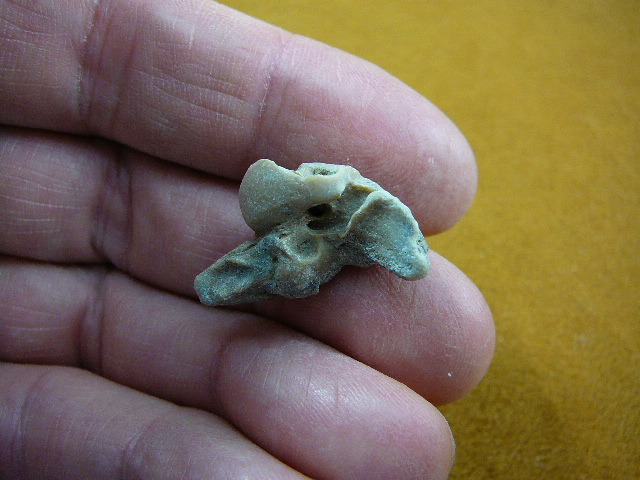
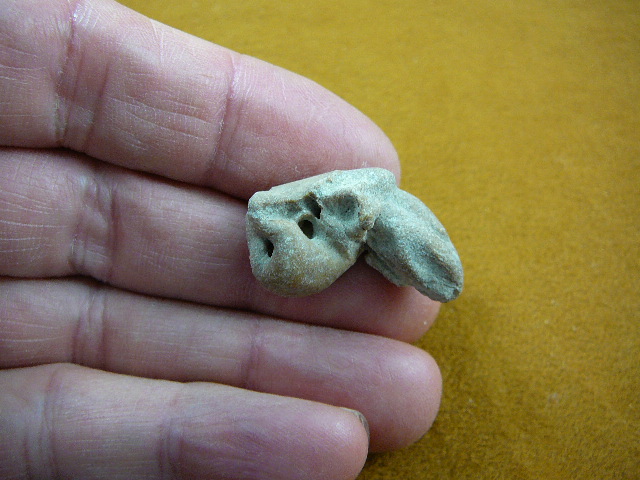
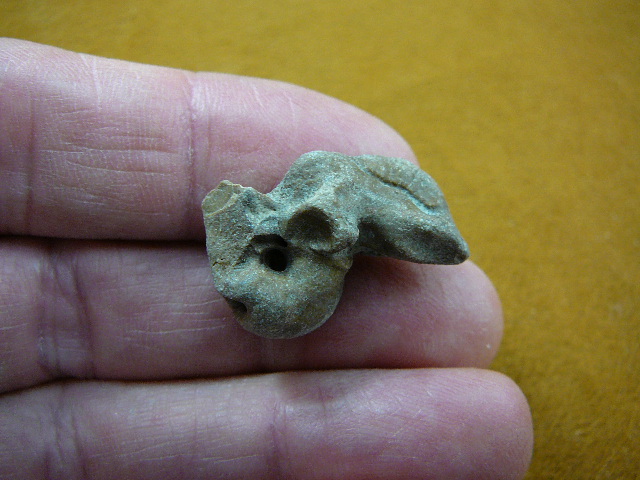
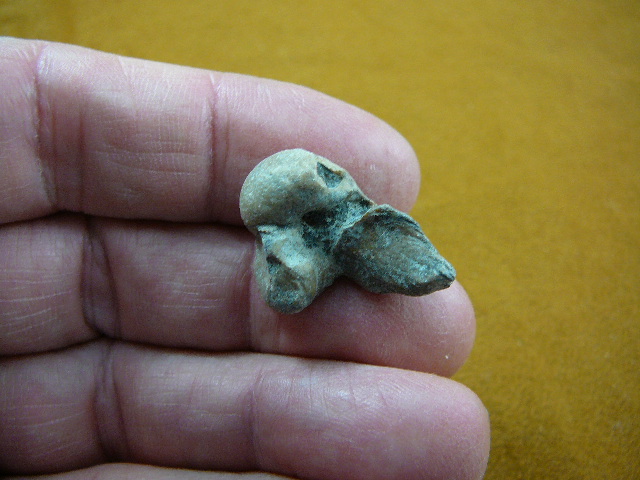
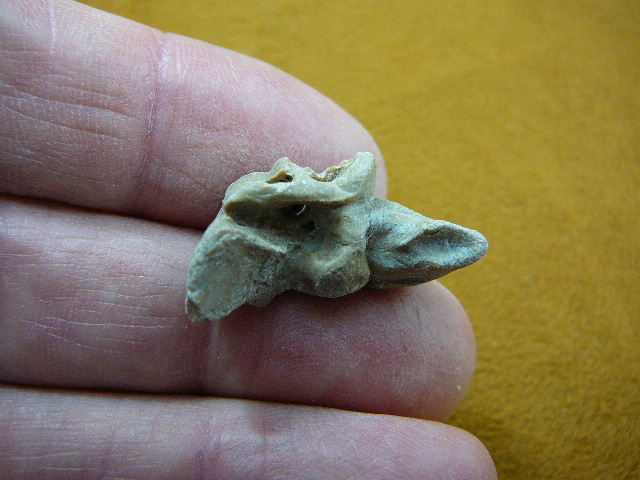
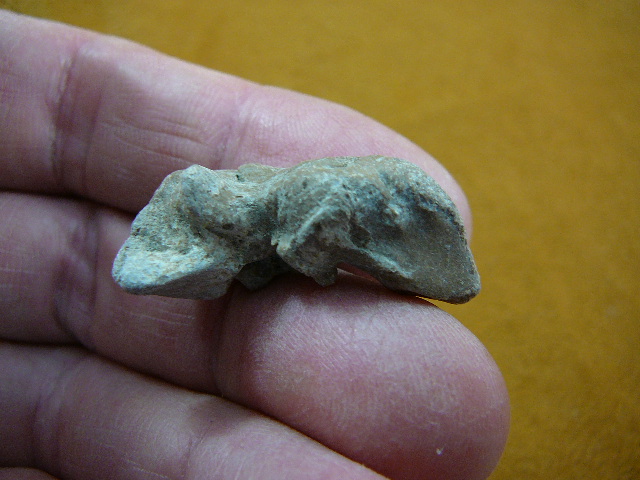
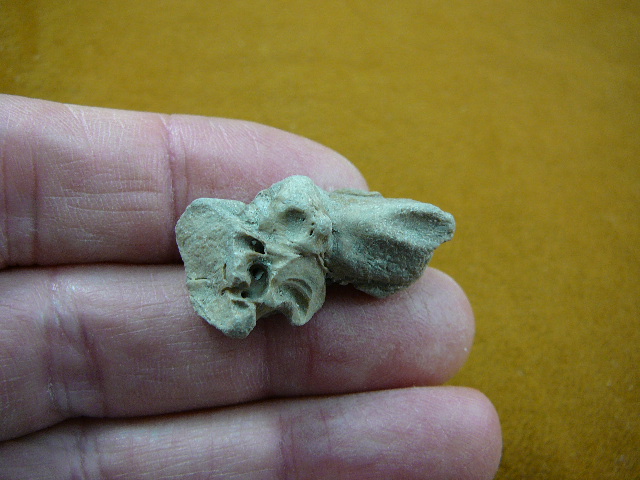
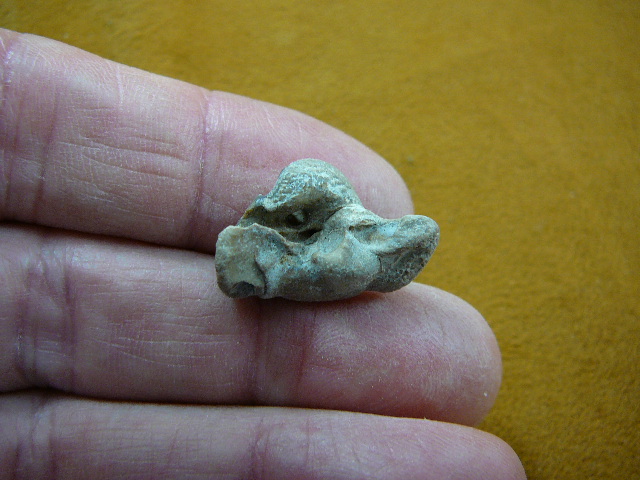
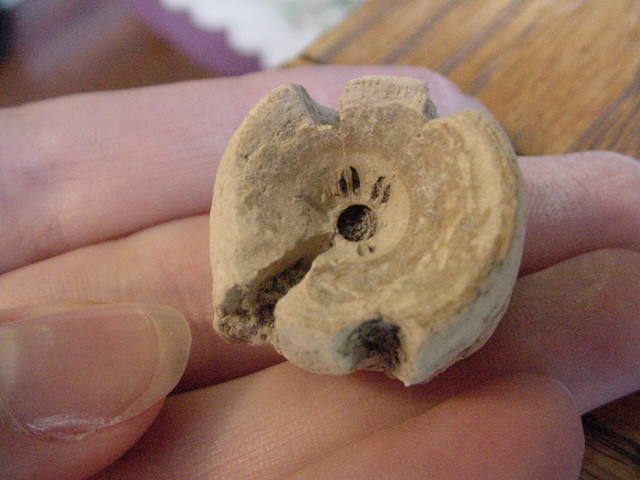
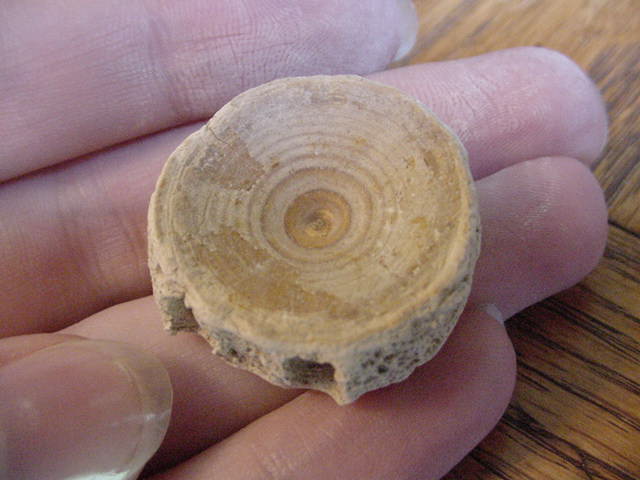
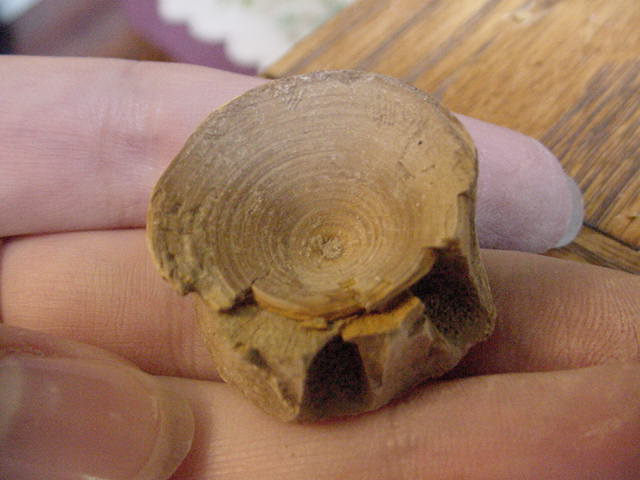
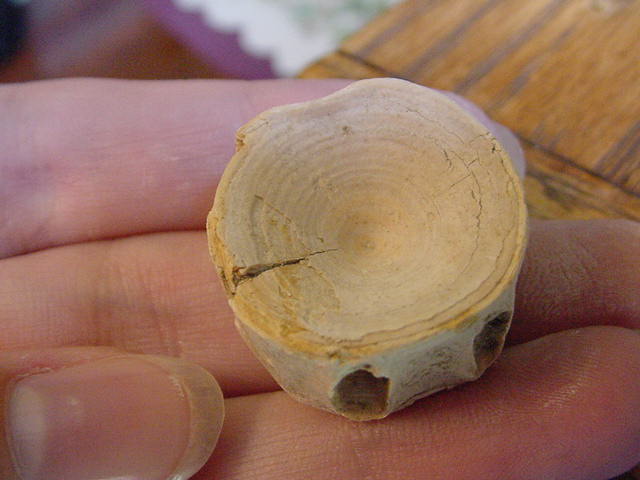
| PORPOISE/DOLPHIN
FOSSILS
from East Coast, North & South Carolina,
Miocene Age (5-24 million years old)
|
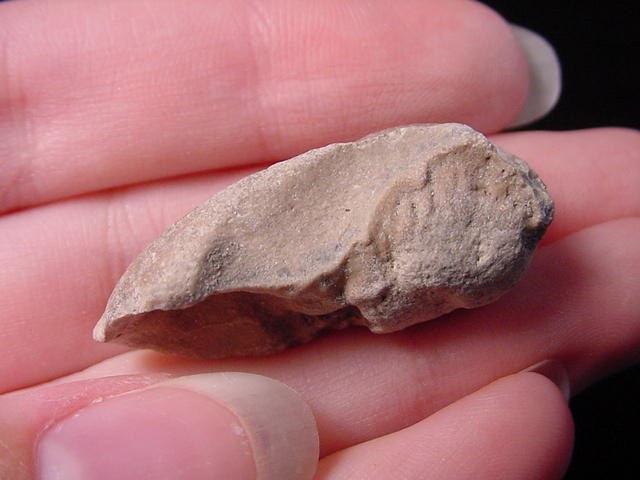
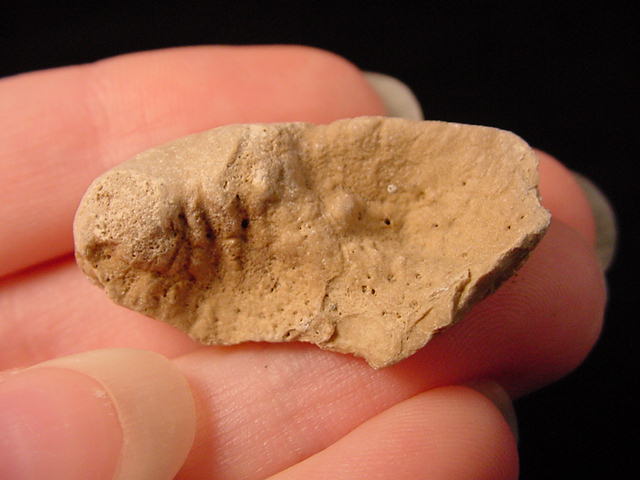
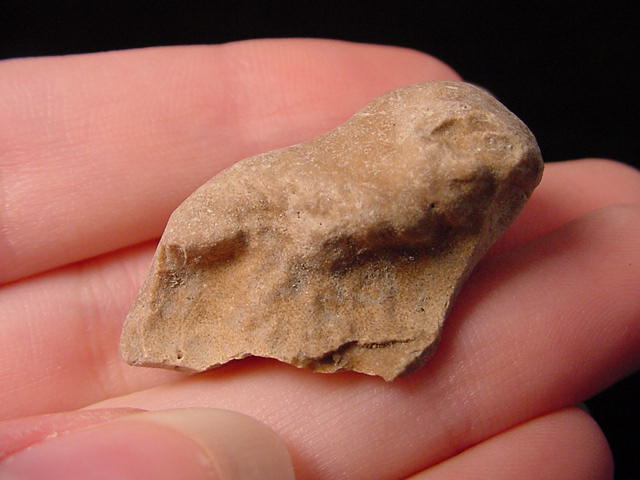
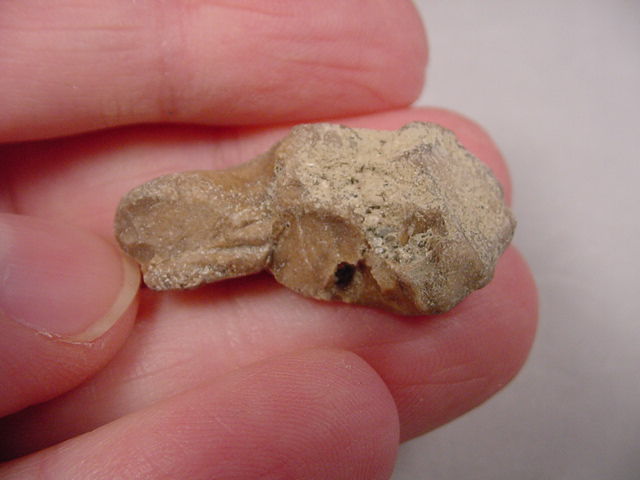
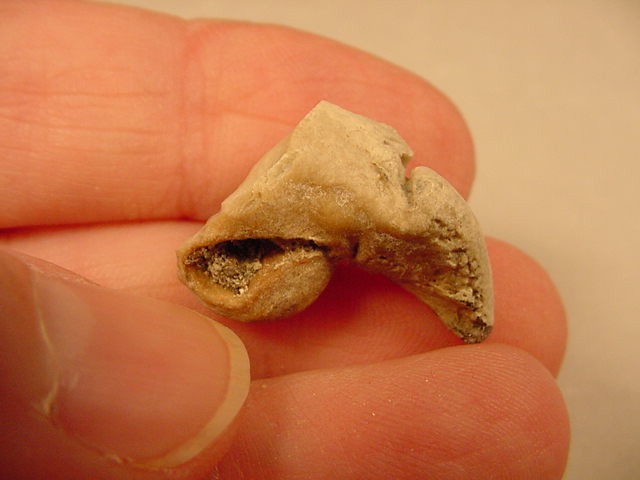
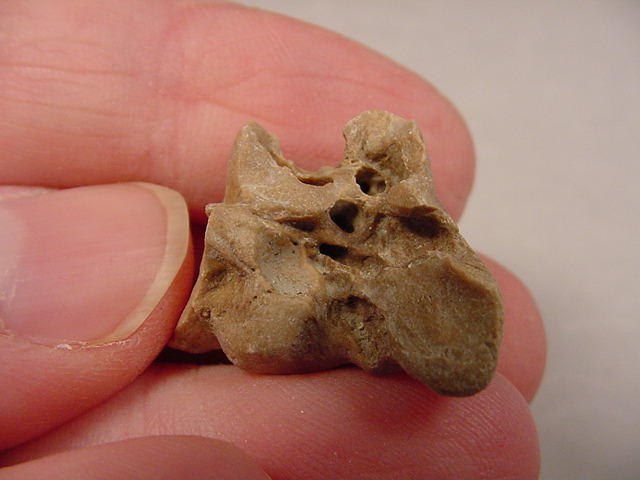
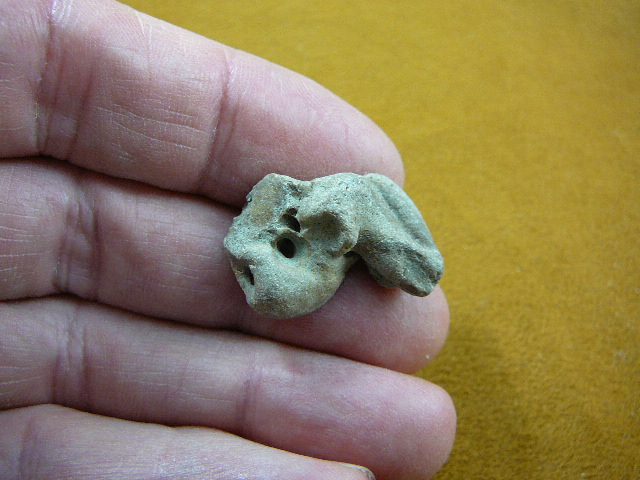
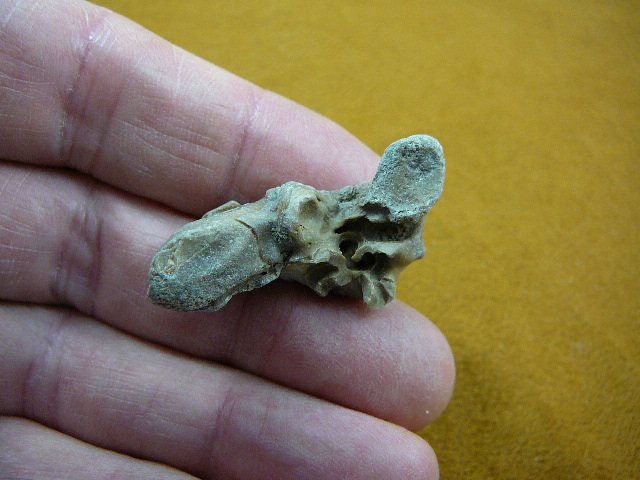
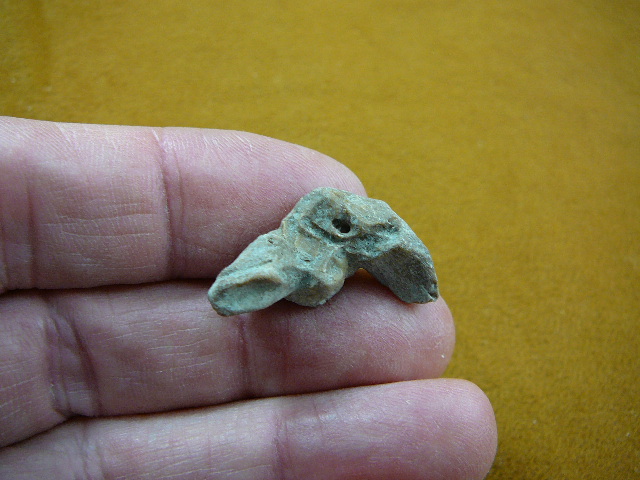
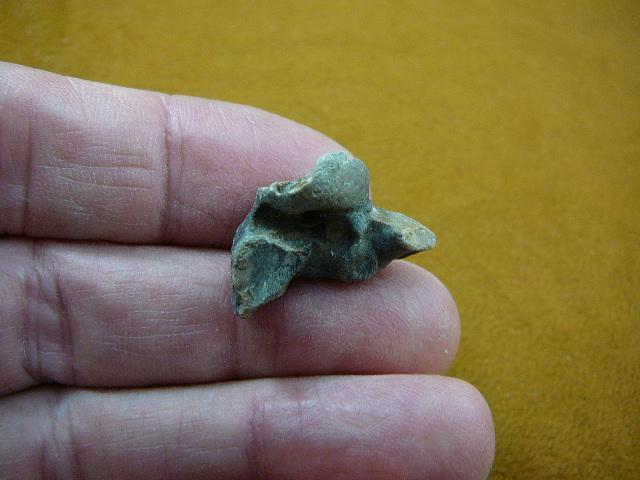
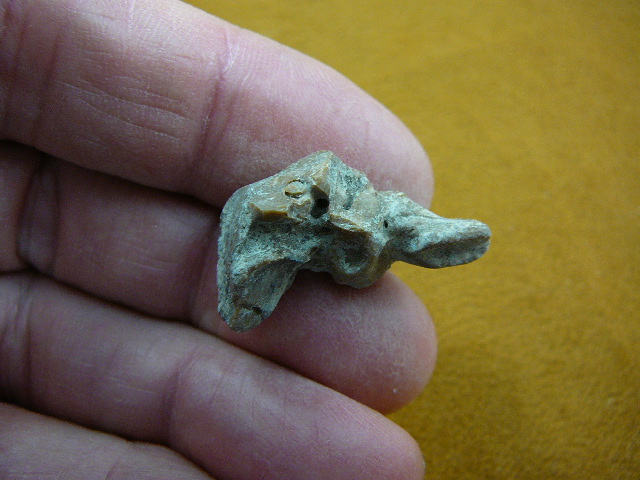
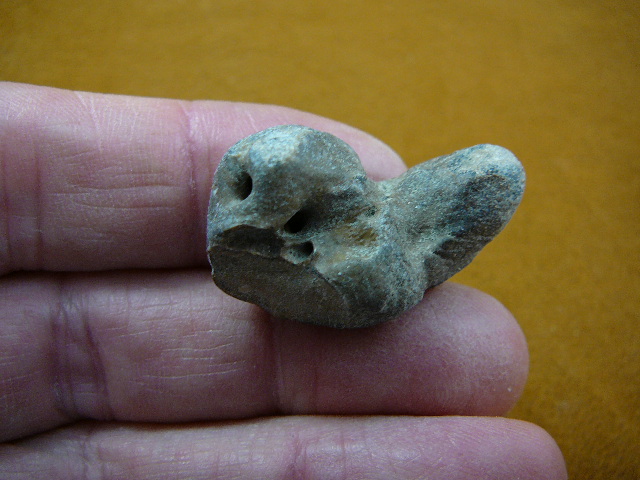
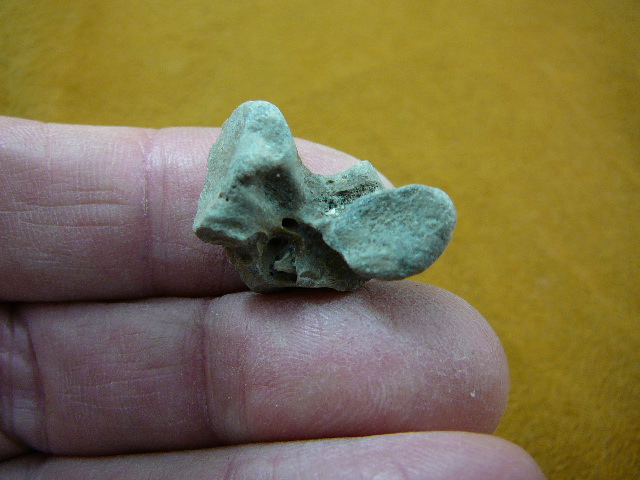
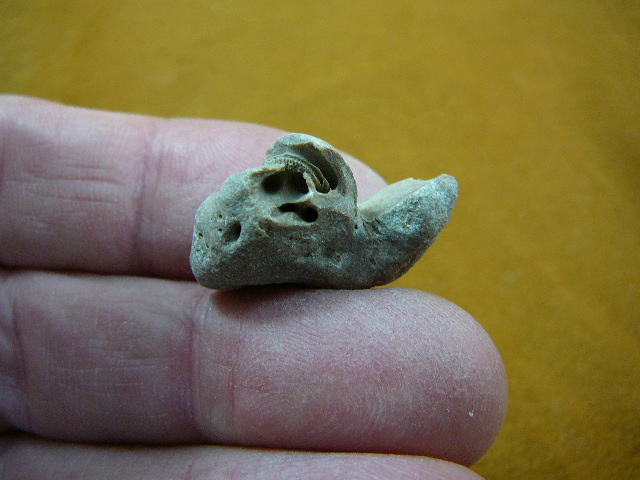
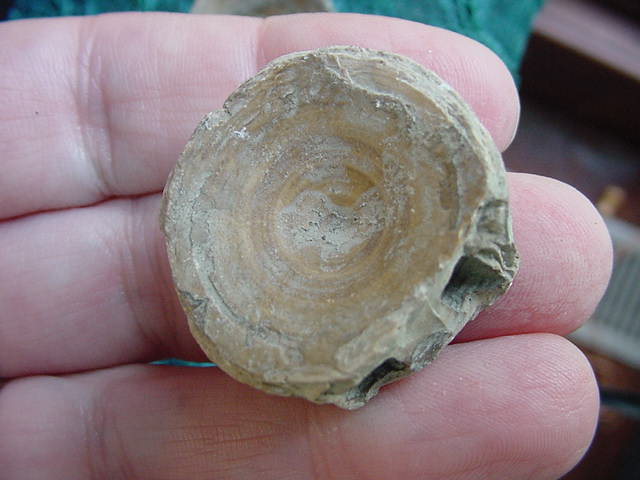
| VERTEBRAE |
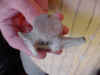 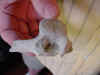 #F-323
Fossil Porpoise vertebrae is 3" long x 1-1/2" tall
$15 |
|
|
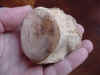 #F323-2
1-5/8" diameter x 2" tall $12 |
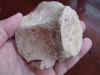
#F323-3
1-3/4" diameter x 2-1/4" tall
$14 |
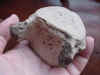
#F323-4
2-1/2" diameter x 2" tall
$14 |
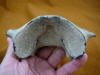
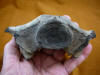
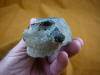
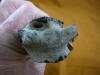
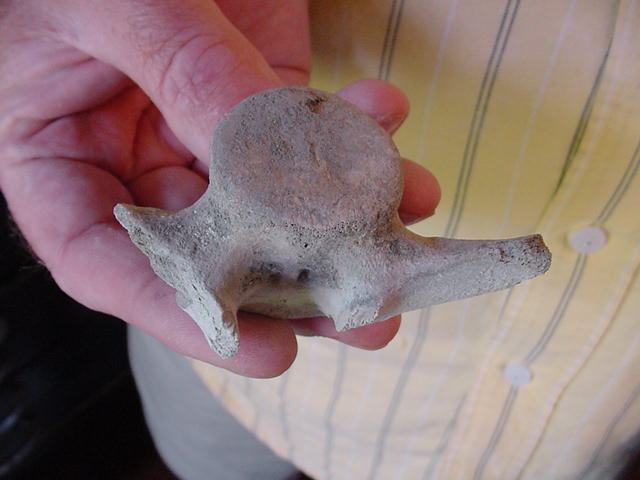
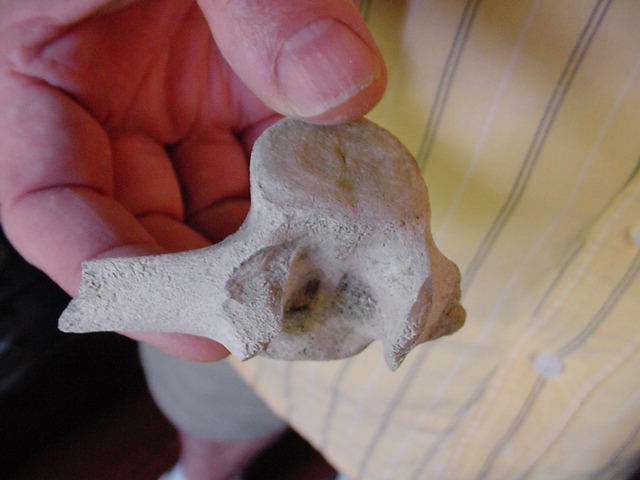
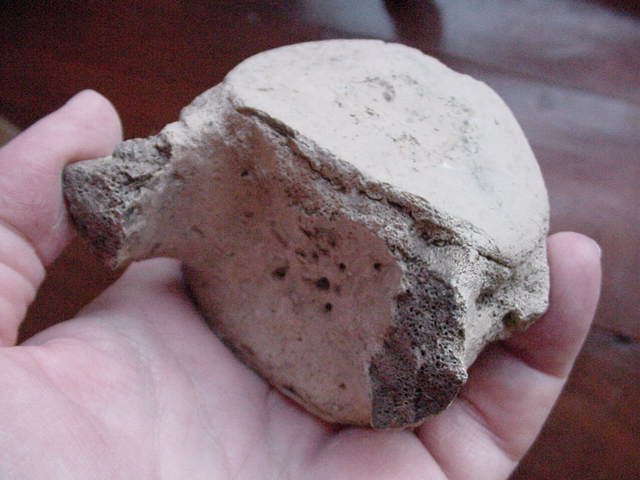
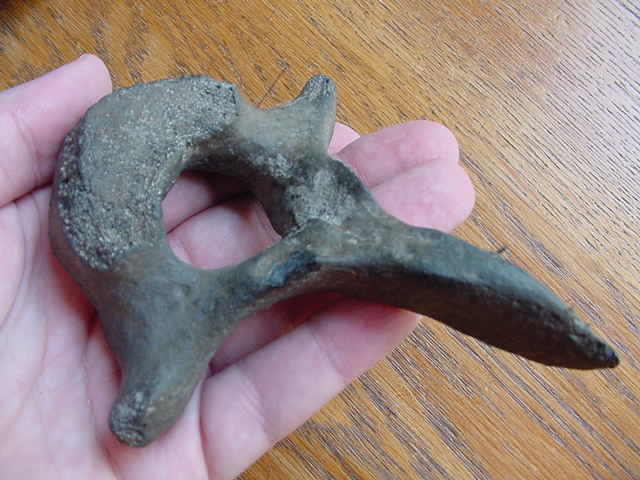
#F323-6
Atlas, 6” long x 3” tall x 2” deep
$30 |
| DOLPHIN
EAR BONES
(Example photo below, the ones on the left are bulla bones, the ones on the
right are periotic bones)
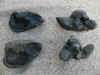
|
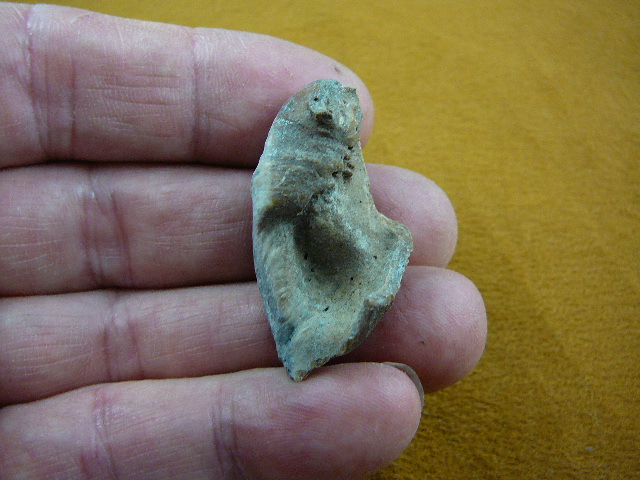
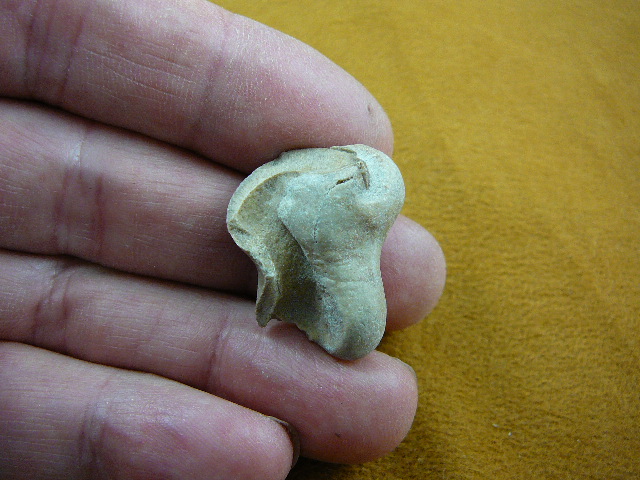
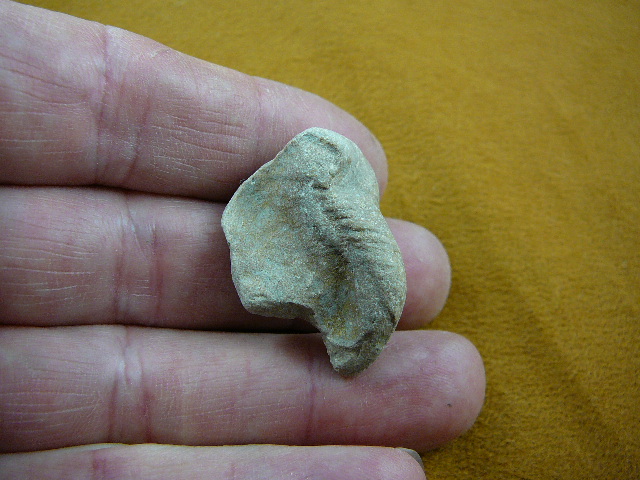
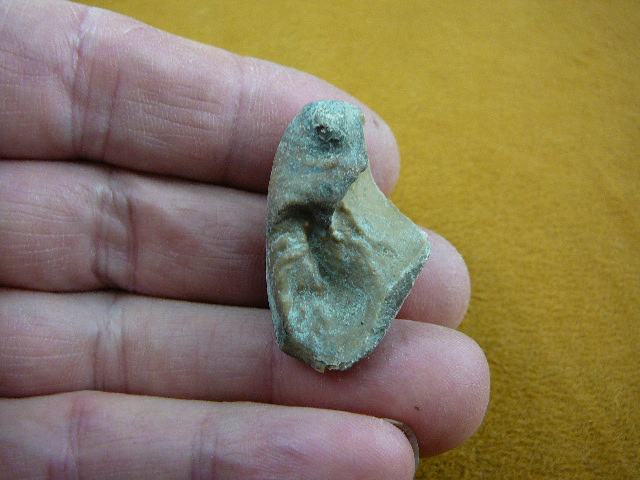
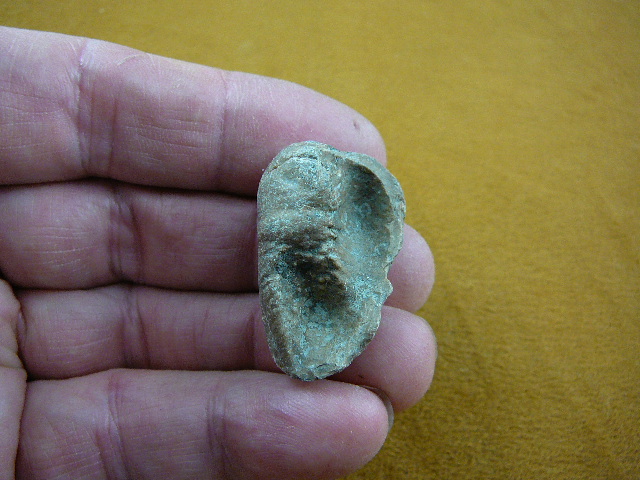
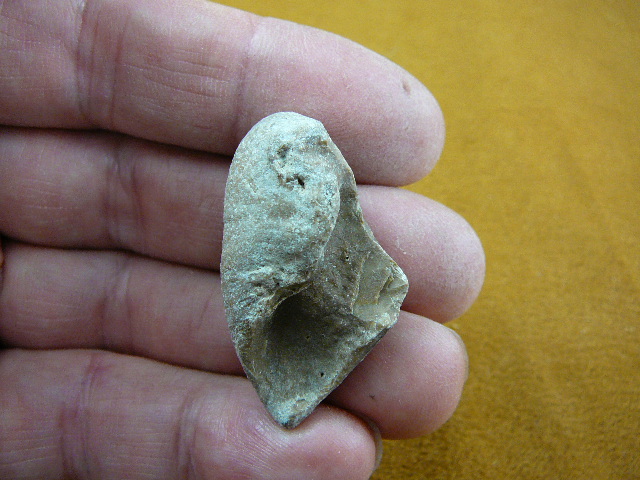
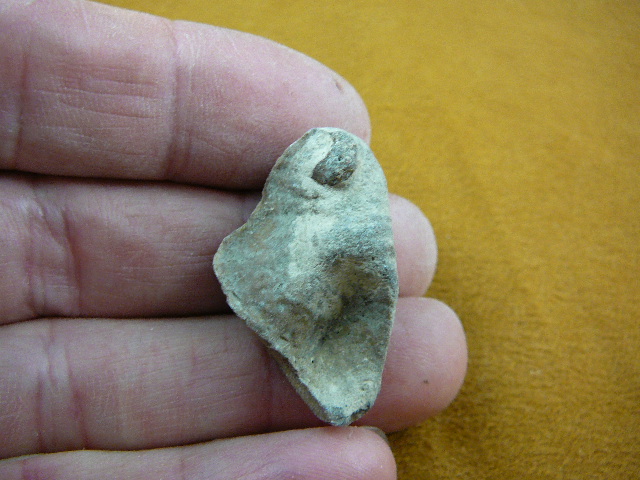
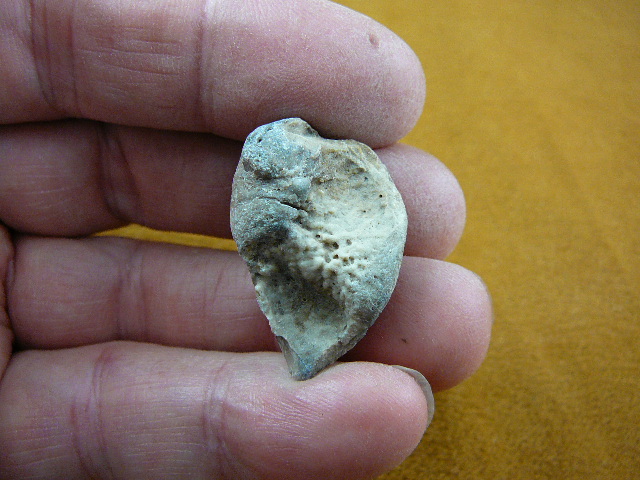
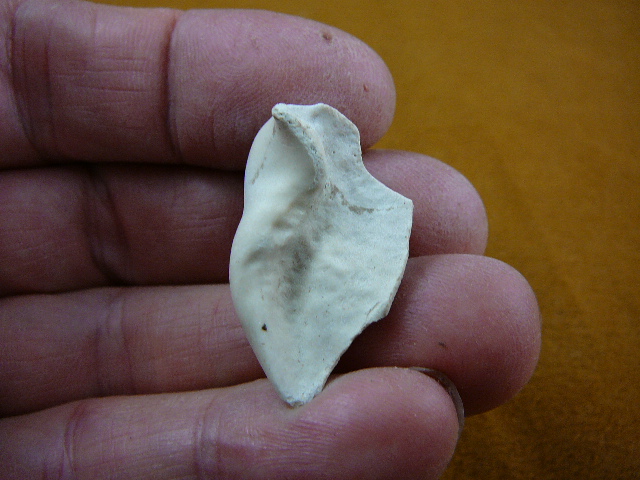
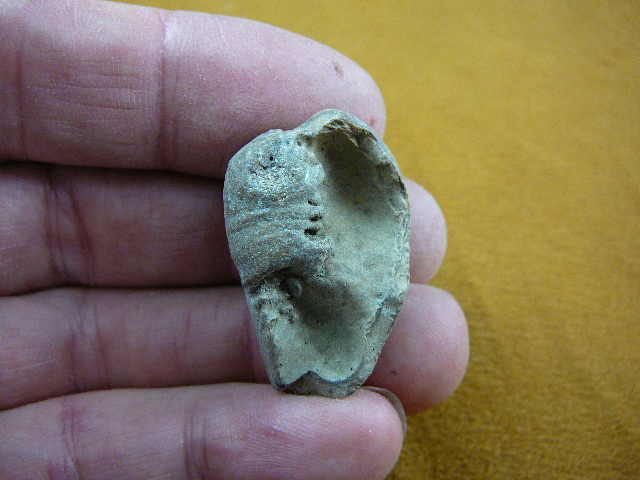
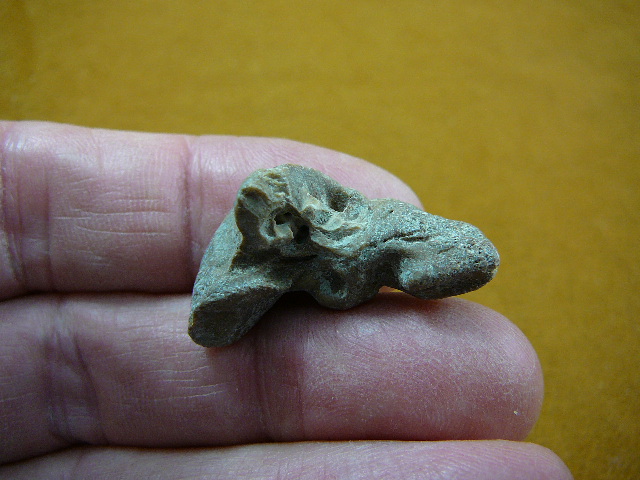
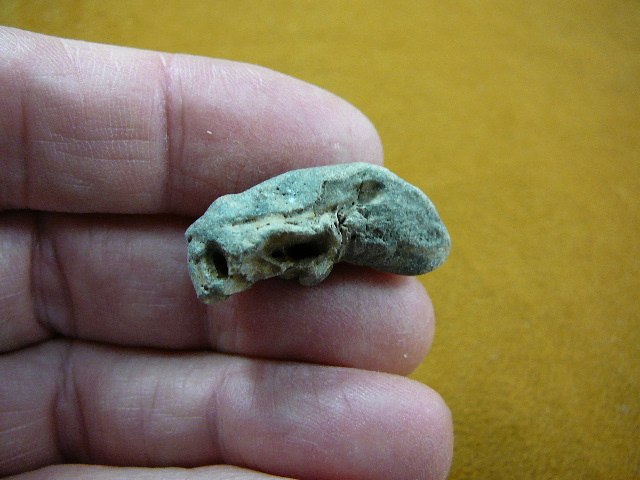
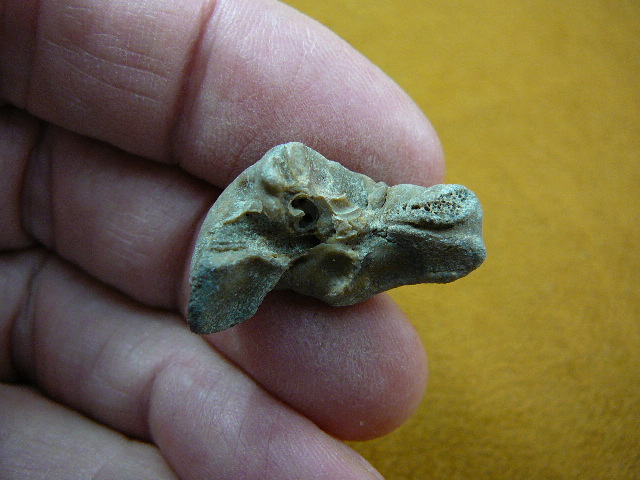
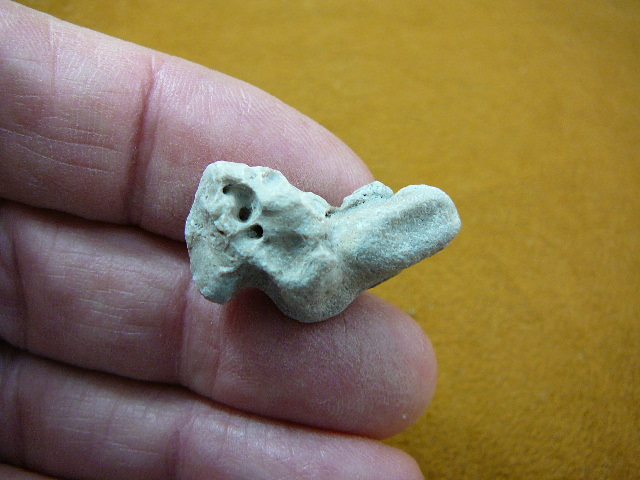
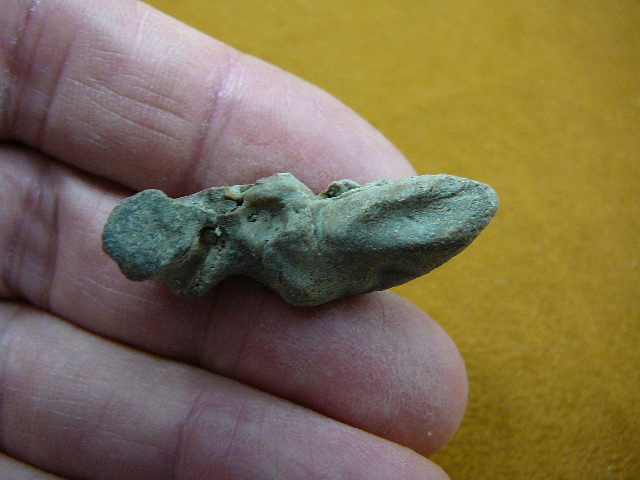
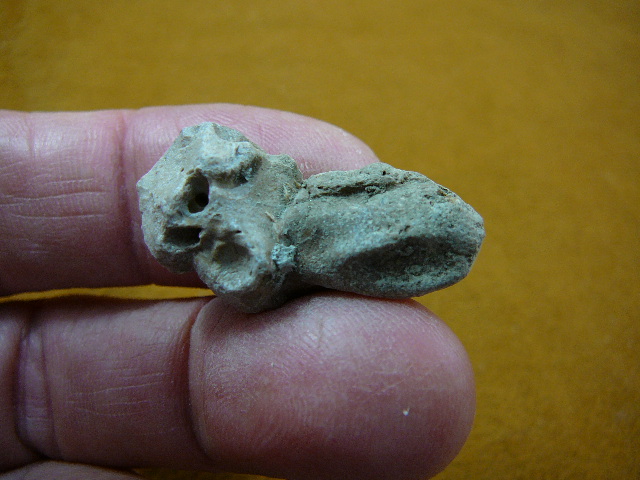
| DOLPHIN
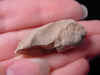
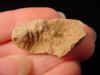
EAR BONES (Bulla)
average size
1-1/4" long x 3/4" wide
Miocene Age, North Carolina.
$7 each |
#F-324-2 |
#F-324-3 |
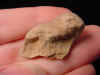
#F-324-4 |
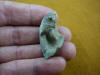
#F-324-5 |
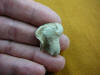
#F-324-7 |
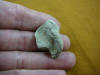
#F-324-8 |
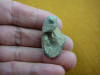
#F-324-9 |
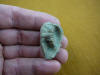
#F-324-10 |
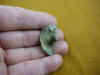
#F-324-11 |
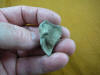
#F-324-12 |
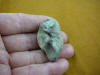
#F-324-13 |
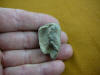
#F-324-14 |

#F-324-15 |
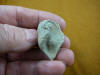
#F-324-16 |
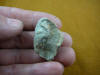
#F-324-18 |
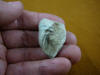
#F-324-19 |
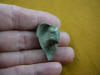
#F-324-21 |
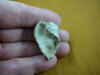
#F-324-22 |
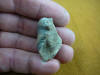
#F-324-23 |
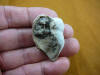
#F-324-24 |
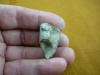
#F-324-25 |
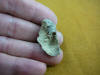
#F-324-26 |
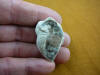
#F-324-27 |

#F-324-28 |
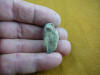
#F-324-29 |
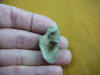
#F-324-30 |
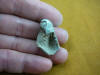
#F-324-31 |

#F-324-32 |
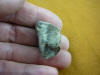
#F-324-33 |
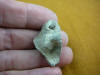
#F-324-34 |

#F-324-35 |
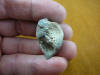
#F-324-36 |
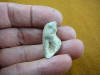
#F-324-37 |
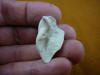
#F-324-38 |
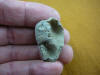
#F-324-39 |
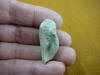
#F-324-40 |
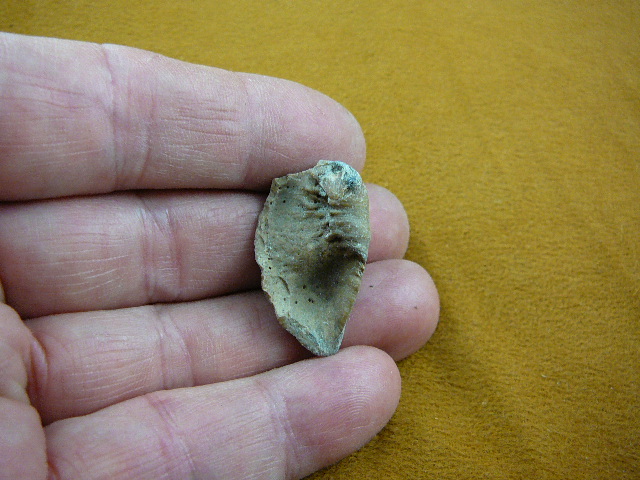
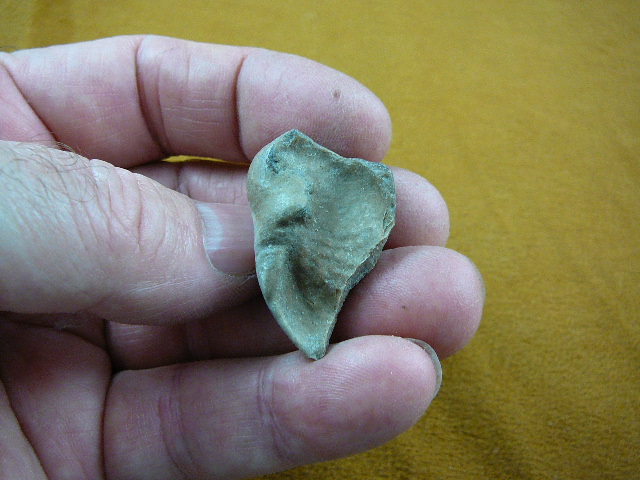
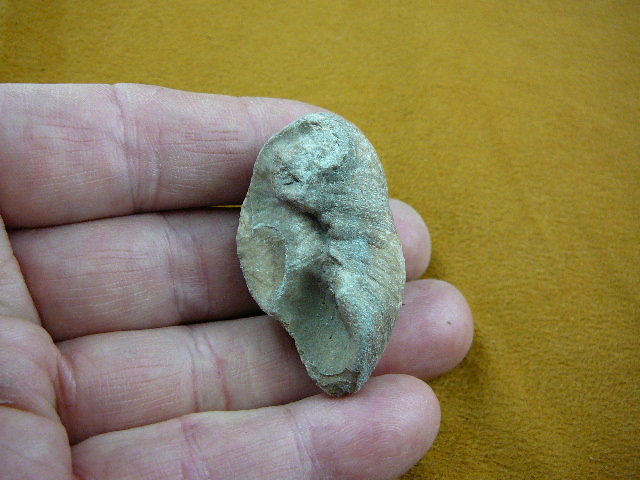
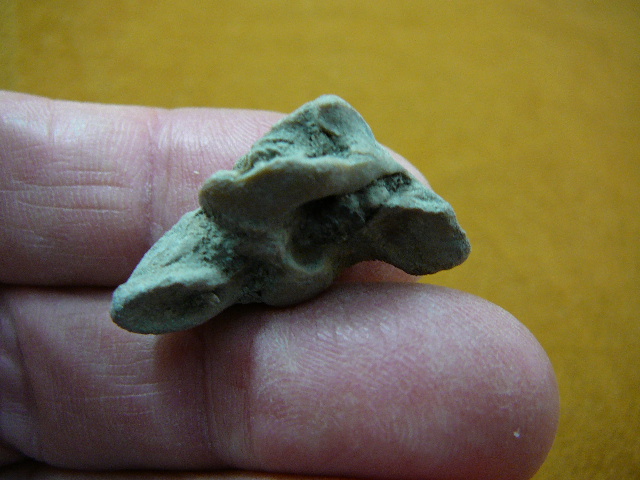
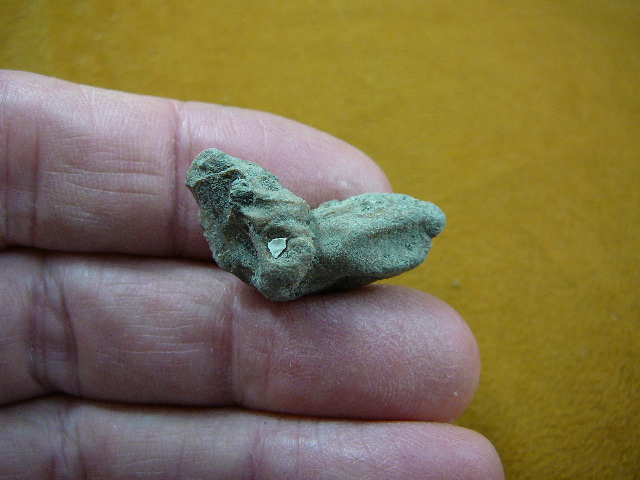
| DOLPHIN
EARBONES
(periotic)
average 1" long x 3/4" wide
This is a traditional amulet in Japan. From ancient
times, it was collected by fishermen & made into necklaces, as it is
believed to protect from typhoon or accident. Today, it is popular
among surfers in Japan for the same reason; Miocene
Age, North Carolina
$7.00 each
|
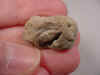 #F-324-100 |
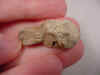 #F-324-101 |
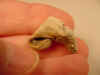 #F-324-102 |
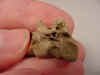 #F-324-103 |
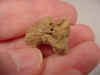 #F-324-104 |
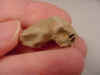
#F-324-109
|
|
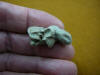
#F-324-111 |
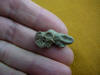
#F-324-112 |

#F-324-113 |
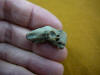
#F-324-114 |
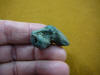
#F-324-115 |
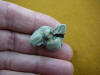
#F-324-116 |
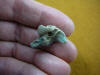
#F-324-117 |
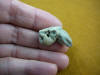
#F-324-118 |
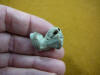
#F-324-119 |
| |
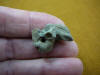
#F-324-121 |
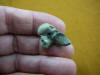
#F-324-122 |
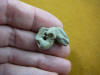
#F-324-123 |
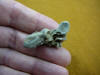
#F-324-124 |
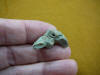
#F-324-125 |

#F-324-126 |
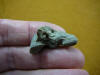
#F-324-127 |
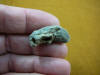
#F-324-128 |
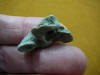
#F-324-129 |

#F-324-130 |
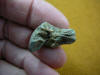
#F-324-131 |
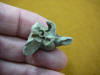
#F-324-132 |
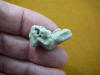
#F-324-133 |

#F-324-134 |
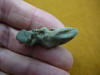
#F-324-135 |
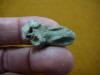
#F-324-136 |
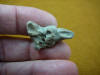
#F-324-137 |
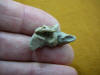
#F-324-138 |
|
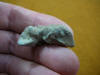
#F-324-140 |
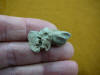
#F-324-141 |
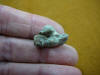
#F-324-142 |
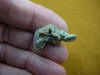
#F-324-143 |
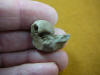
#F-324-144 |
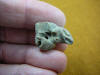
#F-324-145 |
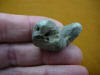
#F-324-146 |
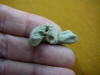
#F-324-147 |
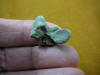
#F-324-148 |
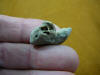
#F-324-149 |
|
|
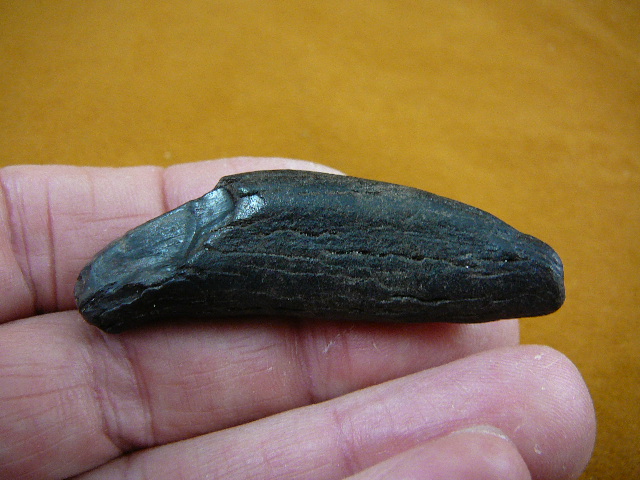
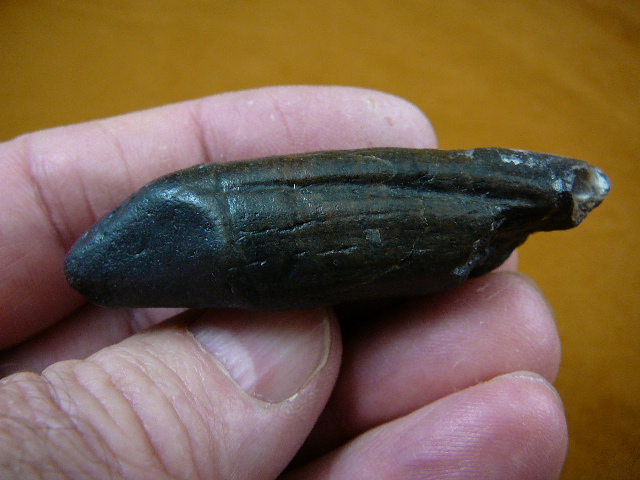
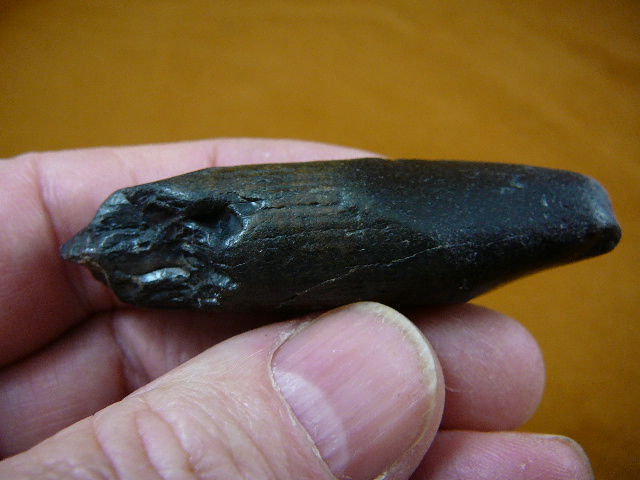
| DOLPHIN
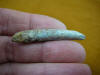
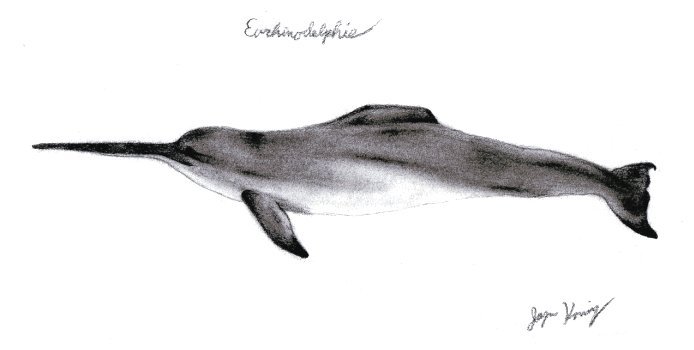
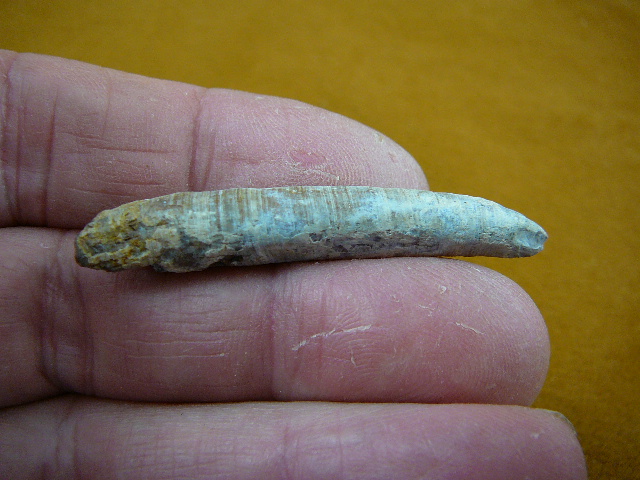
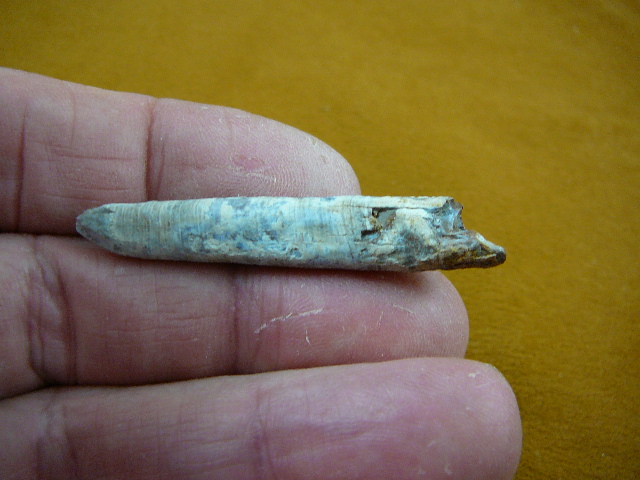
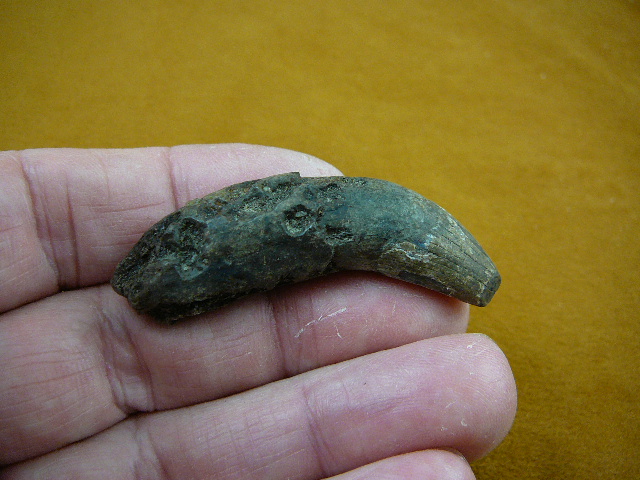
TEETH (rare!) from a large dolphin, Eurhinodelphis bossi
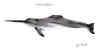
From the St. John's River, South Carolina,
average 3-5 million years old. Measured over
curve of tooth. |
_small.JPG)
_small.JPG)
_small.JPG)
#F325-1 Dolphin tooth
1-5/8” long x 5/8”
diameter
$22 |
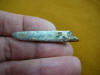 #F-325-2
2" long $18
|
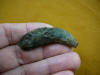

#F-325-3 2-3/4" long $28 |
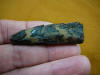
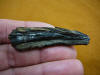
#F-325-4 2-3/8" long $30 |
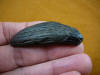
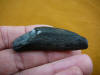 #F-325-5
2-1/2" long $30 |

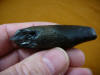 #F-325-6
2-5/8" long $35
|
|
|
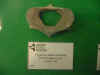
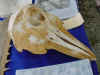
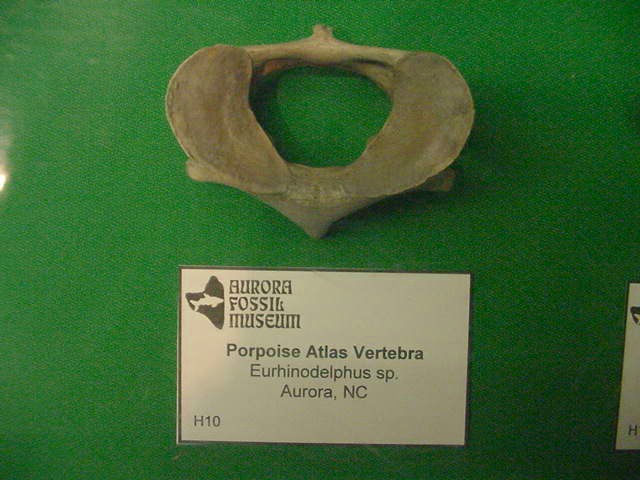
| Photo
of Dolphin Atlas vertebrae (correction from sign in the photo) from the Aurora Fossil Museum in NC
|
|
DOLPHIN JAW BONE SECTIONS $15 per set. |
_small.JPG)
_small.JPG)
_small.JPG)
#F326-1
3 pieces, 1 to 1-1/2” long |
_small.JPG)
_small.JPG)
_small.JPG)
#F326-2
2 pieces, 1-1/2 and 1-3/4” long |
_small.JPG)
_small.JPG)
_small.JPG)
#F326-3
3 pieces, 7/8 to 1-1/2” long |
_small.JPG)
_small.JPG)
_small.JPG)
#F326-4
2 pieces, 1-1/2” long |
_small.JPG)
_small.JPG)
#F326-5
2 pieces, 1-3/4 to 2” long |
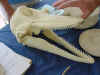
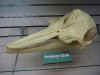
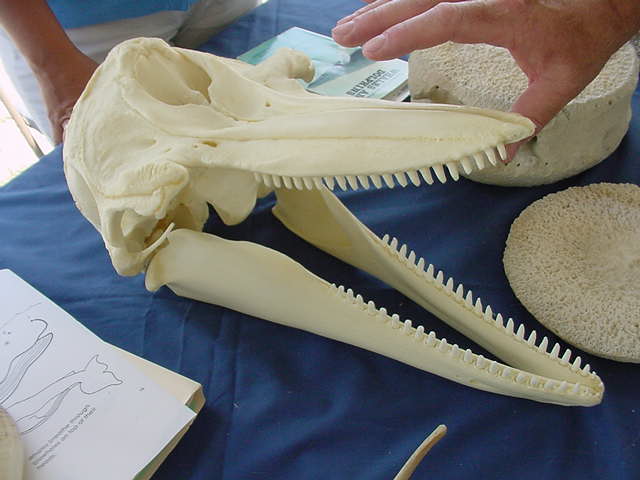
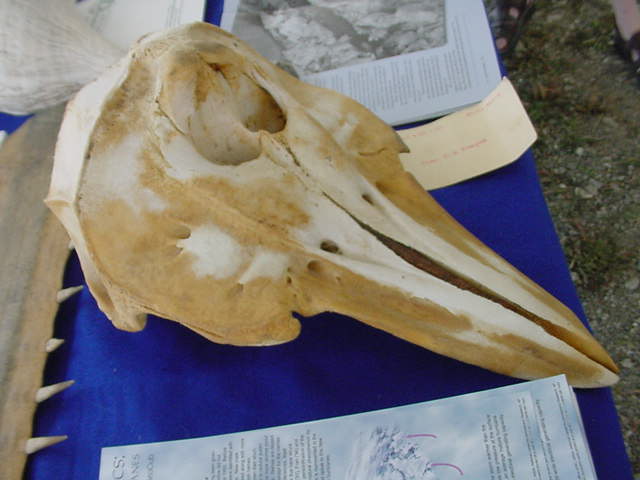
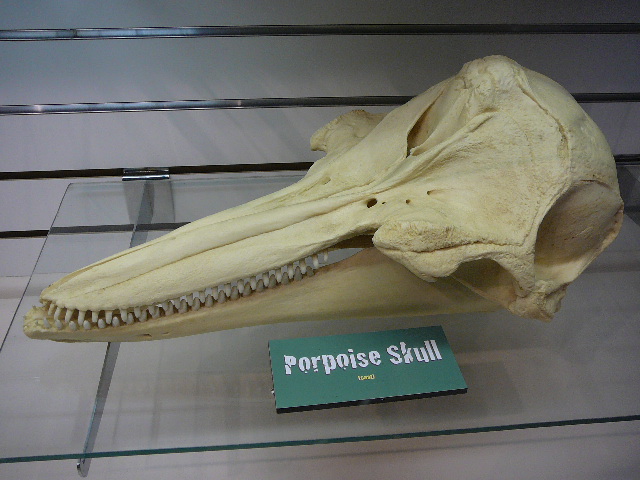
| Photo
of a modern porpoise skull from the Dinosaur Resource Center in Woodland
Park, Colorado:
|
| GROUND
SLOTH
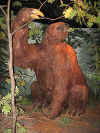
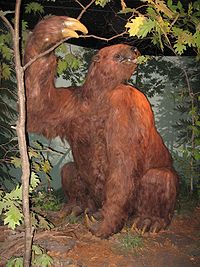
Eremotherium eomigrans,
which has been found in 2.2 million year-old sediments in Florida, reached
a length of 6 meters and had the bulk of a bull elephant, as tall as 17
feet. Thick bones & joints, a powerful animal against
predators. Unlike today's sloths, they had 5 fingers, 4 of them
claws, the biggest nearly a foot long!
Vertebrae |
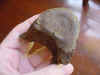
#F-336A
2-1/2" wide x 1-3/4" tall $12 sold |
BONITA SNOUT
FOSSILS
(skull element, (Sarda sp.)
Average size 7/8” x 5/8” x 1/2”
$9 per set of 2 or 3 as shown |
|
_small.JPG)
 #F-337-10 |
_small.JPG)
 #F-337-11 |
_small.JPG)
 #F-337-12 |
_small.JPG)
 #F-337-13 |
|
_small.JPG)
 #F-337-14 |
_small.JPG)
 #F-337-15 |
_small.JPG)
 #F-337-16 |
_small.JPG)
 #F-337-17 |
|
_small.JPG)
 #F-337-18 |
_small.JPG)
 #F-337-19 |
_small.JPG)
 #F-337-20 |
|
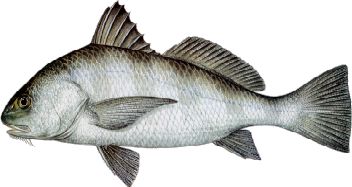
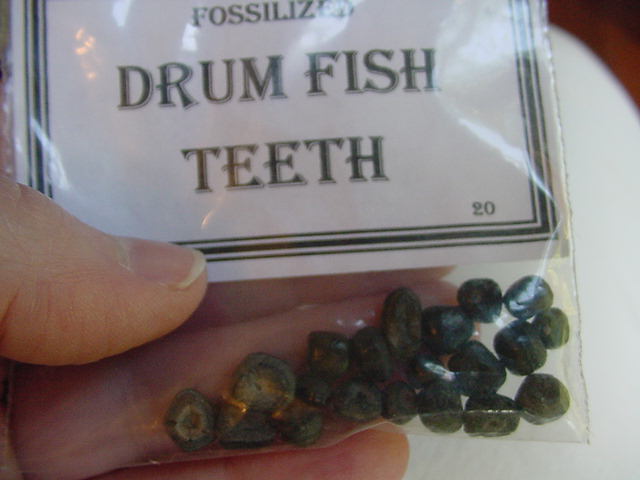
| DRUM
FISH JAW & TEETH (Pogonias cromis)
Miocene era
(Also known as Sheepshead) Here is a
photo of a modern drum fish jaw, the cobblestone-like teeth used to crush
oysters. They also have teeth in their THROATS to continue crushing
their food, called Pharyngeal Teeth.
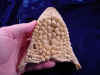
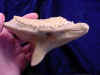
And a photo of a drum fish, they average 30
pounds:
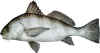
|
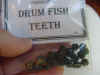
#F-338-C
Set of 20 drum fish teeth $8 sold |
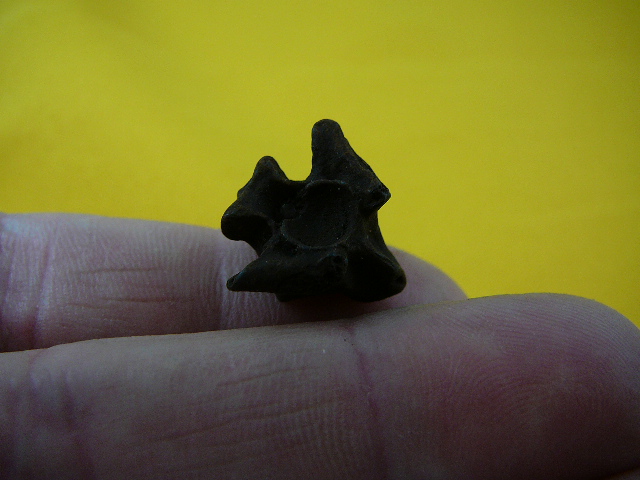
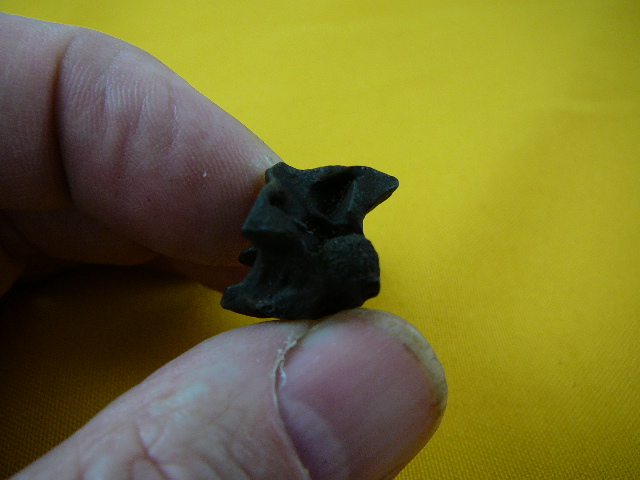
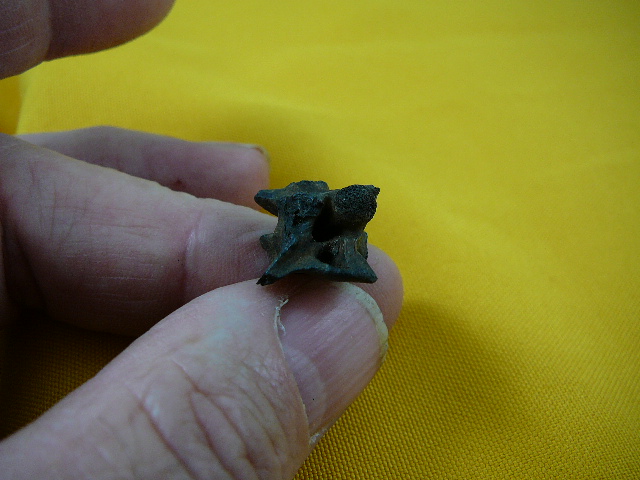
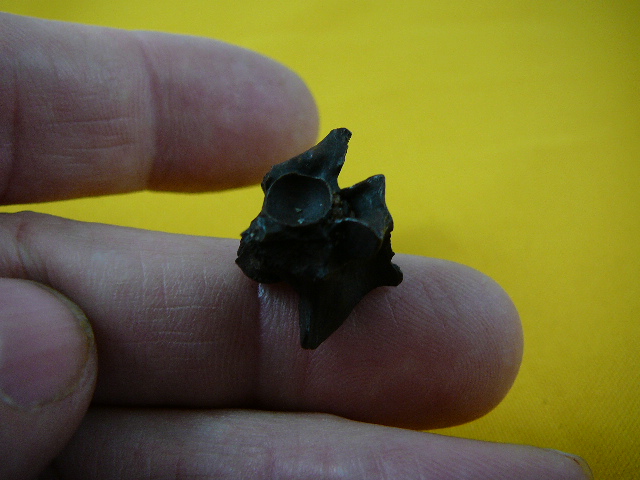
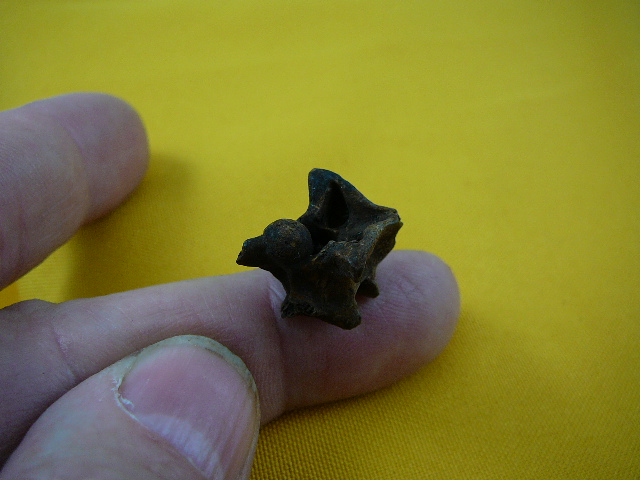
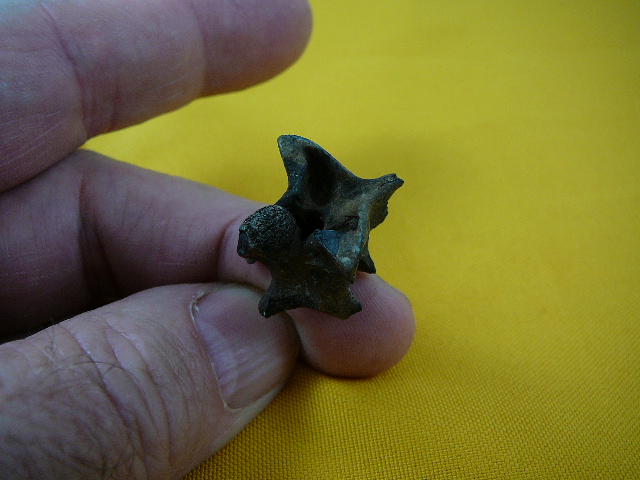
| SNAKE
VERTEBRAE
From Pleistocene Age, found in the
Steinhatchee River in Taylor County, Florida. Vertebrae are from a
Lampropeltine snake related to the King snake.
$8 (unless
marked otherwise)
|
| |
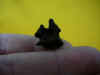
#F-339-3 3/4" across |
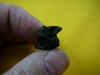
#F-339-4 3/4" across |
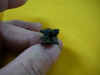
#F-339-7 5/8" across,
deformed $6 |
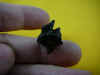
#F-339-9 3/4" across |
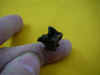
#F-339-10 3/4" across |
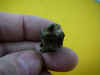
#F-339-11 7/8" across |
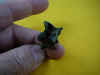
#F-339-12 7/8" across $10 |
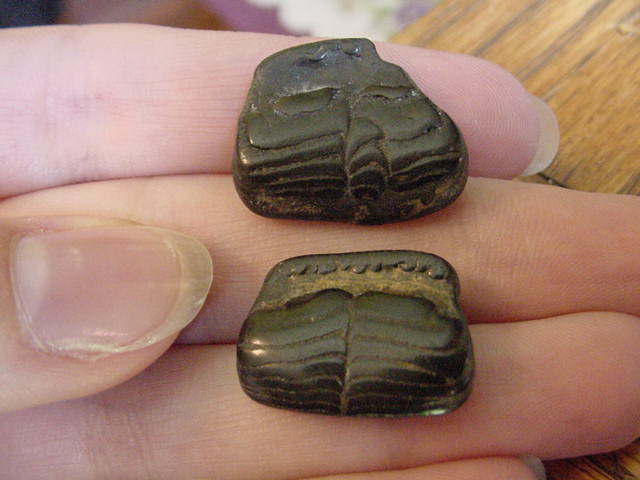
| RHINO
RHINOCEROS FOSSILS |
| FOSSIL
RHINO
TEETH Teleoceras hicksi
Terrestrial Mammal Fossils
Miocene Epoch; Bone Valley Formation,
Polk County, Florida, USA
|
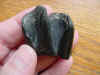
#F-341-B 1-3/8" wide x
5/8" thick x 1-3/4" long. (Florida). $35 SOLD |
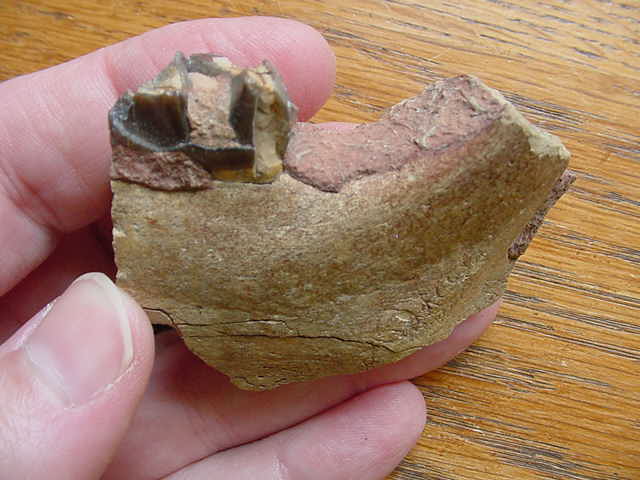
| FOSSIL
RHINO JAW |
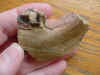
#F-341-C Jaw piece with one tooth (South
Dakota) is 2-1/4" wide x 3/4" thick x 1-3/4" long.
$45 |
| NEW
DEVELOPMENT, MARCH 2, 2015
A preserved baby rhino named Sasha was found
last September in Russia, read all about it
http://siberiantimes.com/science/casestudy/news/n0129-meet-sasha-the-worlds-only-baby-woolly-rhino/
|
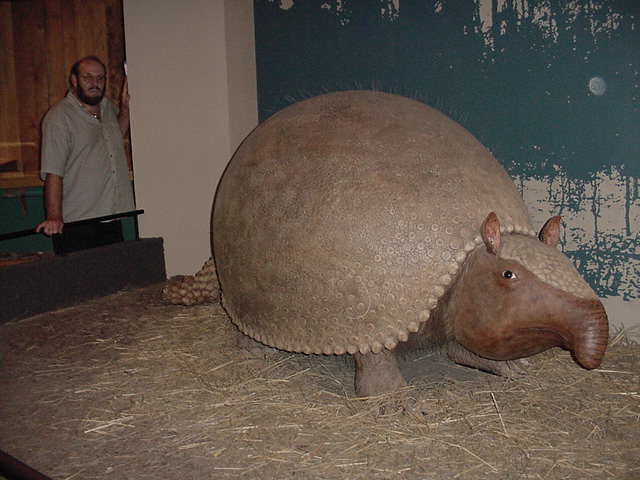
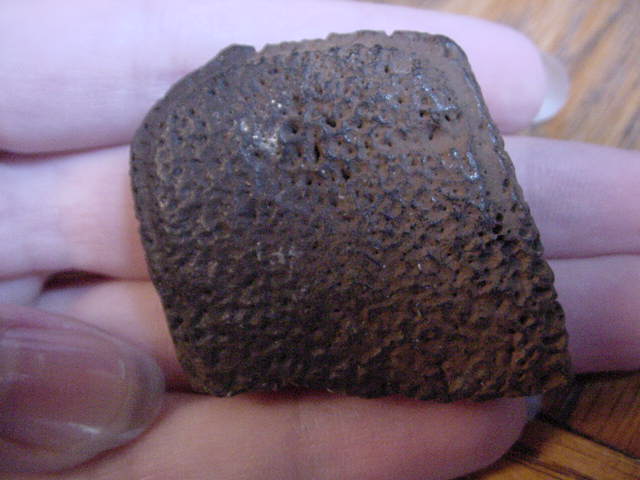
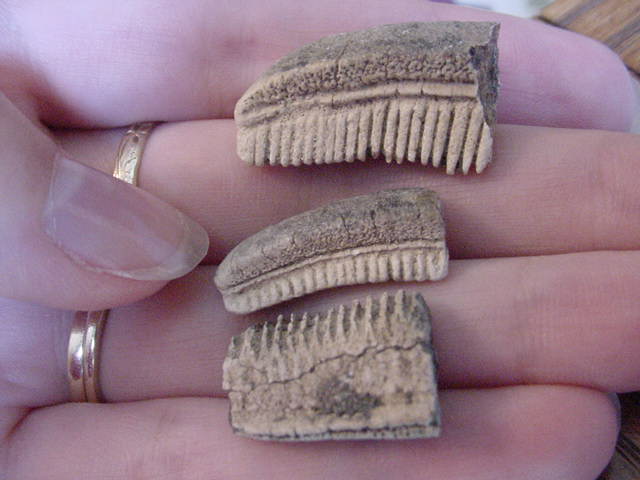
| GLYPTODONT
Scutes
(Glyptotherium
floridanum)
Horse Creek, Florida, Pleistocene Era
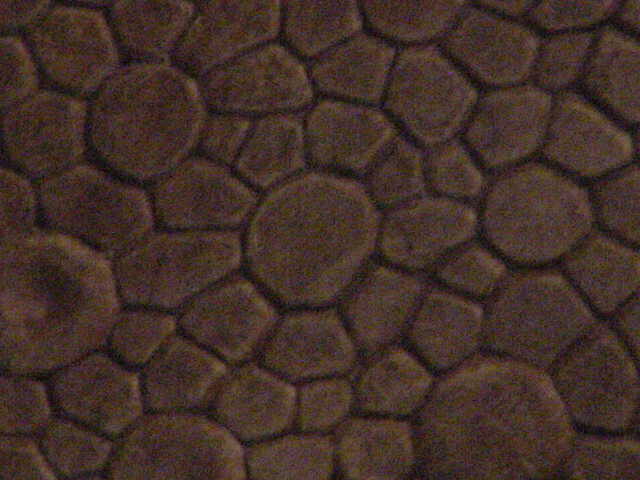
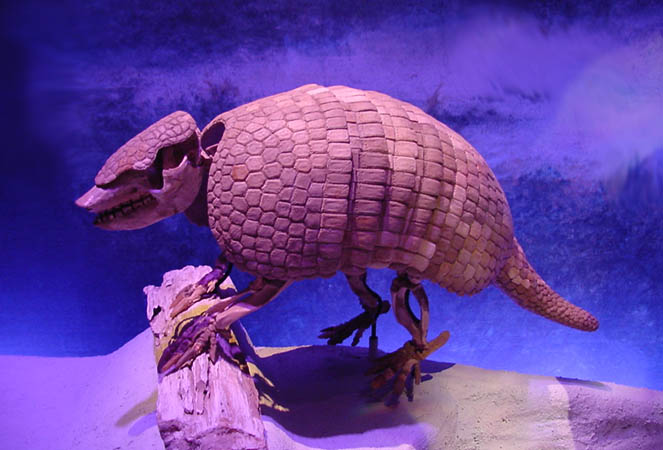
Below is a photo of a GLYPTODONT
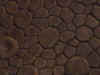
at the State Museum in Columbia, SC, and a close up of the bony growths on
the back like an alligator, called
"scutes"
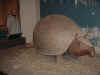
Glyptodont
(Greek for “grooved or carved tooth”) is a slow-moving, herbivorous
member of the Armadillo family but the size of a small car (1000 kg,
armor up to 5 cm thick, it was 5 feet tall x 10 feet long. The
GLYPTODONT Scutes (the bony armor/osteoderm) kept this huge creature
safe from predators. It went extinct 10,000 years ago. The teeth
resemble a capybara. The Glyptodon's feeding habit was to graze
along a water's edge, where both capybara & glyptodont fossils are
commonly found. It originated in South America and spread
northward to North America. Most glyptodont fossils are found in
Florida.
|
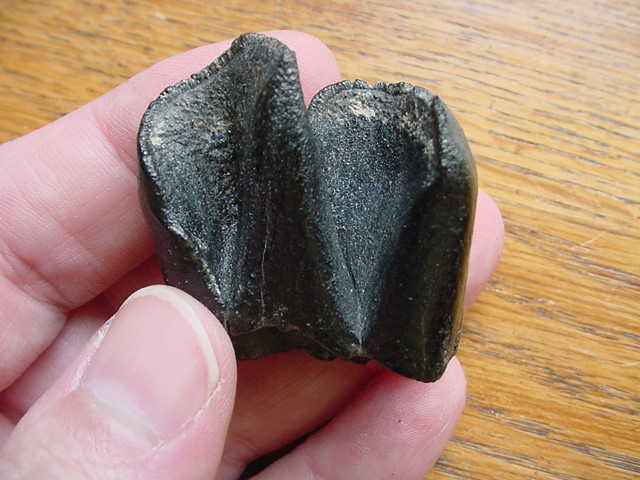
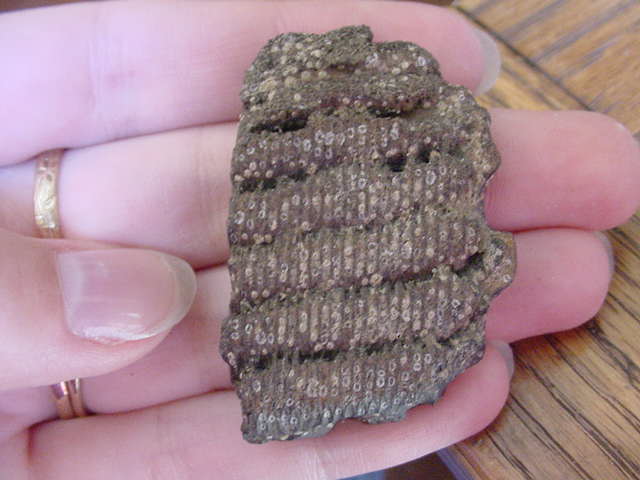
| GLYPTODONT
DERMAL SCUTES, $10 each |
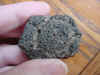
#F-348 sold
|
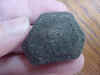
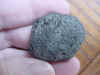
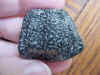
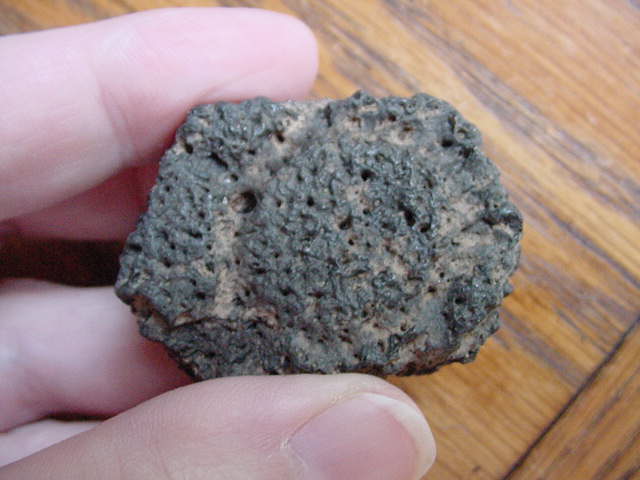
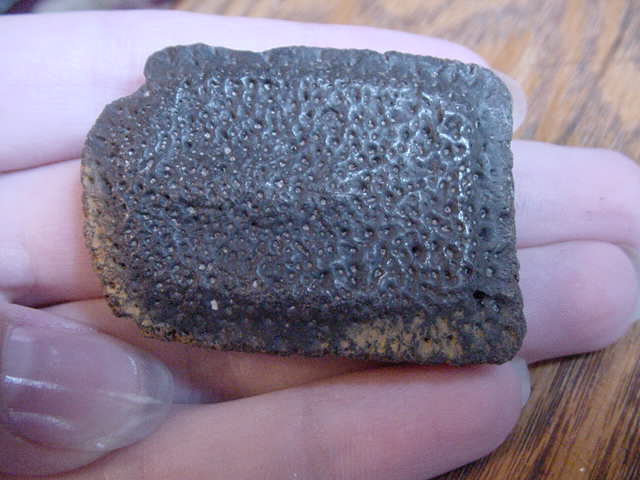
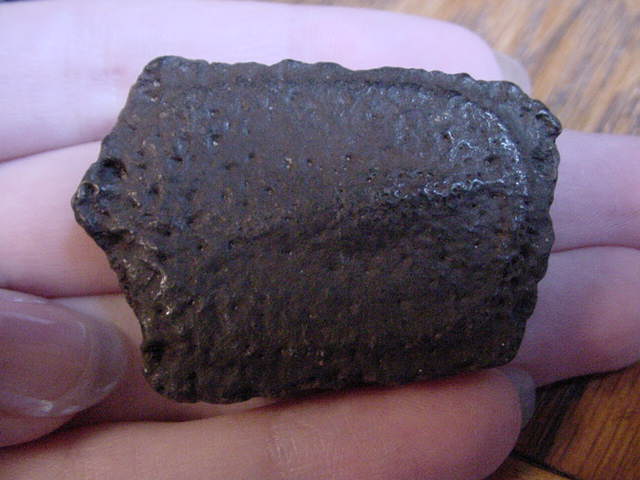
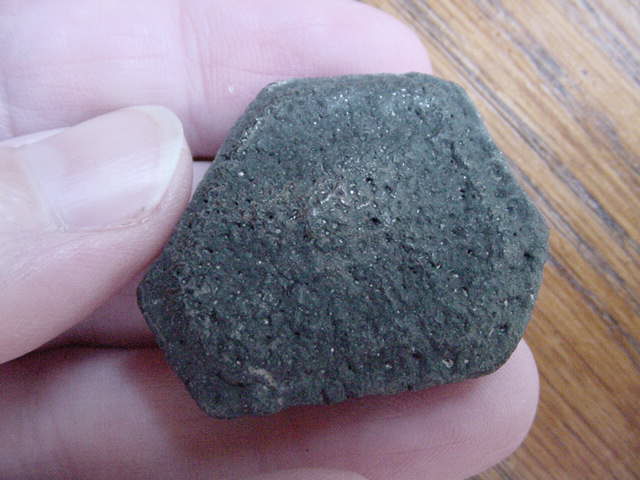
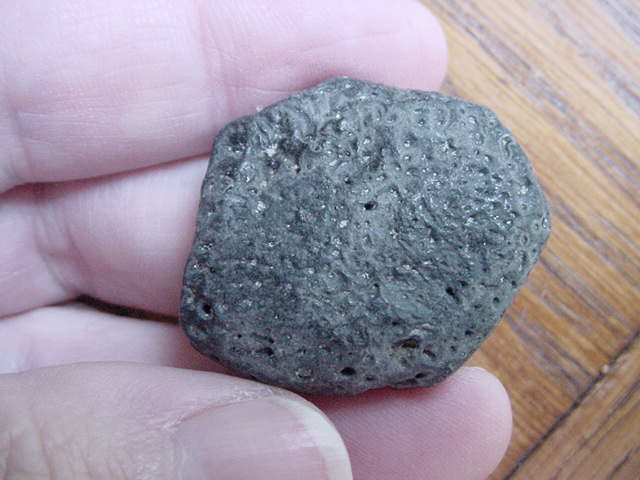
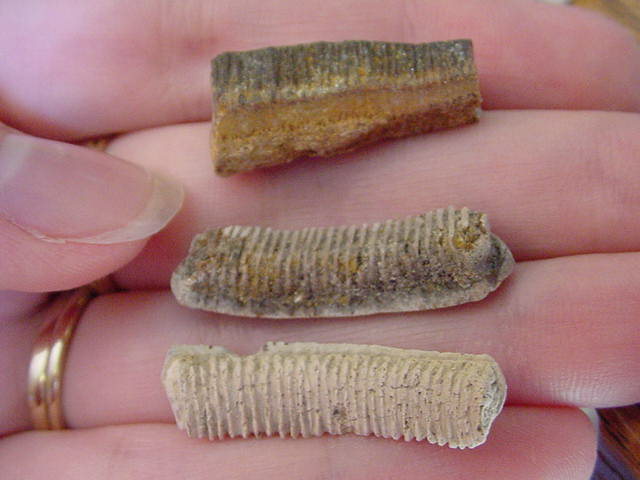
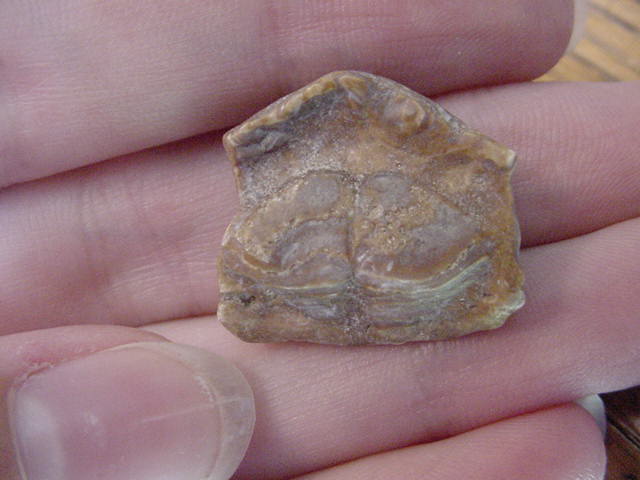
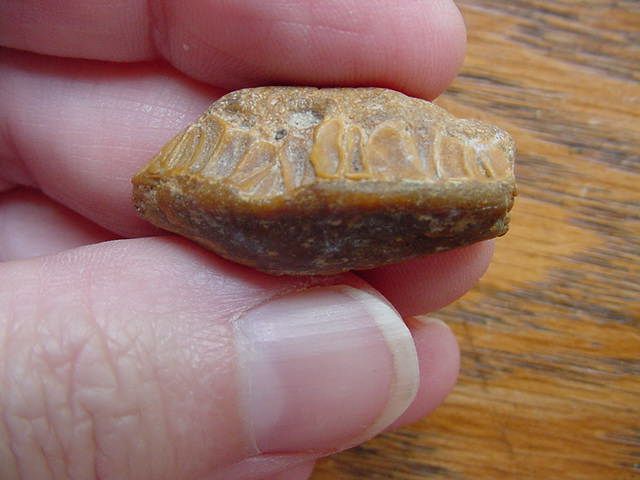
| ARMADILLO
SCUTES,
Florida River, Pleistocene Era
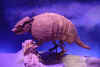
From the giant
armadillo (Holmesina septentrionalis), much larger than today's armaillo.
The giants had 36 teeth, hundreds of bony scutes, both retangular and
pentagonal in shape, four toes on front feet, three on the back. Color is typically
black from the carbon & manganese mineral content in the ground where
it fossilized. A “Scute” is a section from the external bony or horny
plate, enlarged scales covering the exterior of some animals such as
turtle, armadillo or the extinct glyptodont. This polygonal-shaped plate
is part of the flexible armor of a giant Ice Age armadillo or "pampathere".
These creatures migrated to the southeastern United States from Central
and South America.
$8.00 each
|
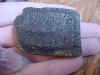
#F-349
|
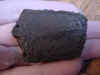
#F-349-C
|
|
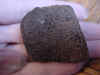
#F-349-G
|
#F-349-J
|
|
#F-349-L |
#F-349-N |
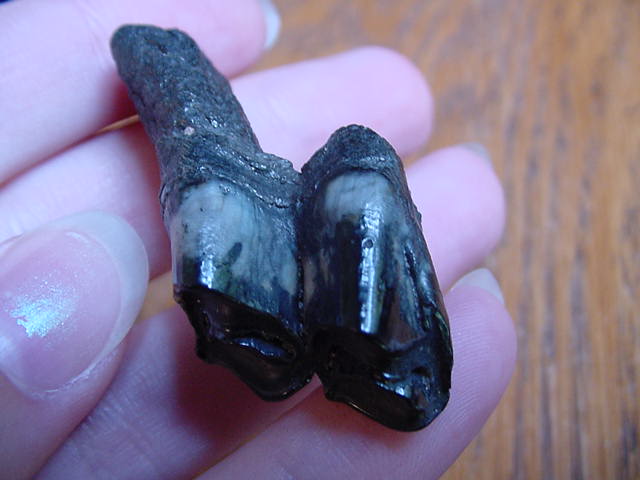
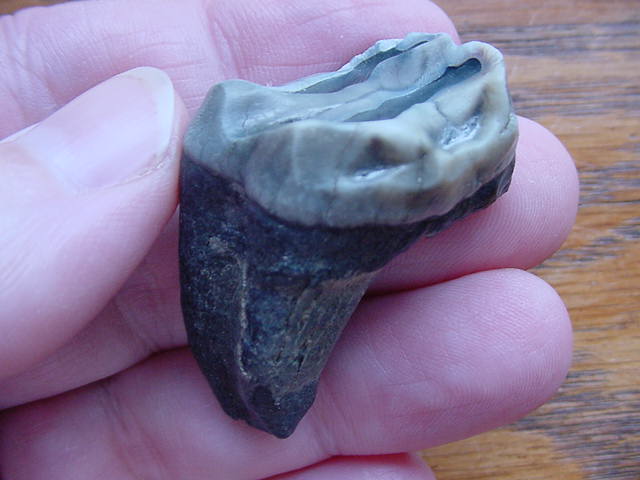
| TAPIR
TEETH (Tapirus veroensis)
Found in the Withlahoochee River
(Florida), Pleistocene Era
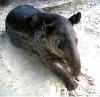
An Odd-toed Ungulate, semi-aquatic, a hoofed mammal
that represents herbivorous animals today. They are bizarre
creatures with heavy pig-like bodies, large odd-toed hoofed feet and long,
flexible snouts like an elephant's but shorter. A large tapir lower
tooth resembles that of a small mastodon tooth. Tapirs today remain unchanged since they first
evolved millions of years ago.
$10 each
|
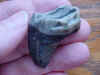
#F-350-D
SOLD
|
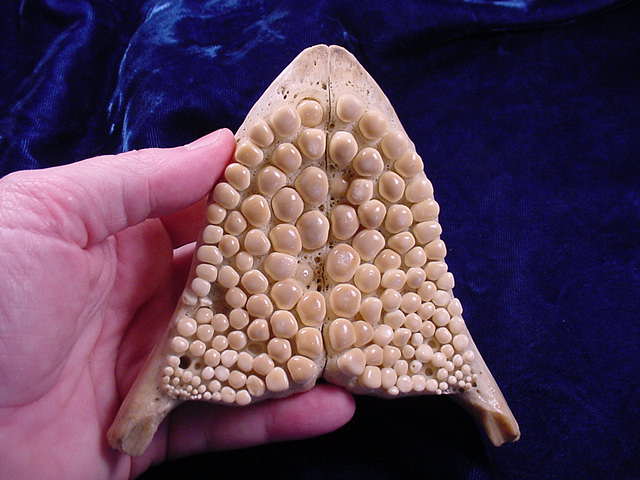
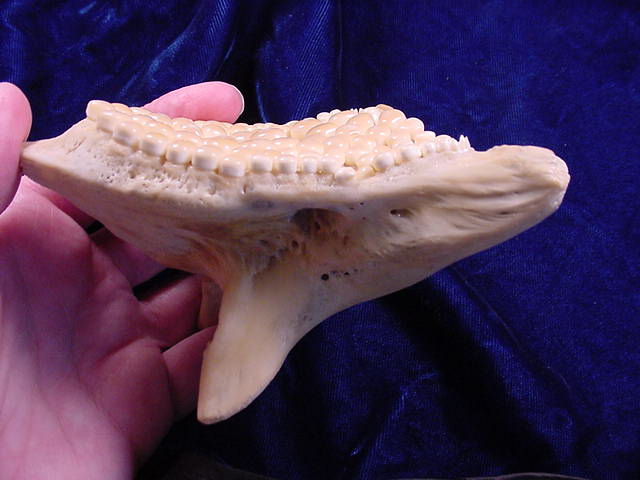
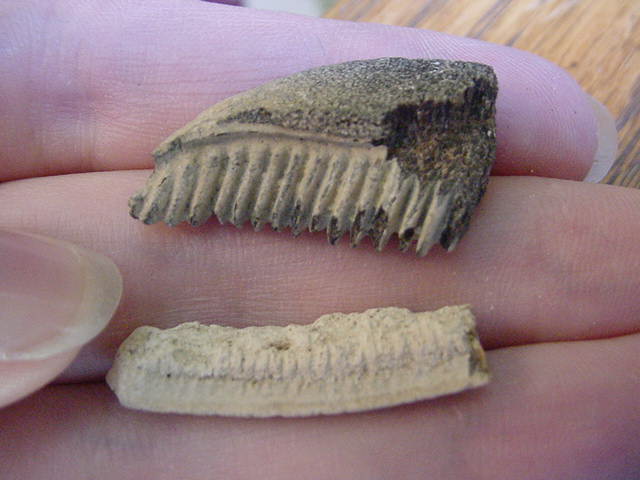
| RAY
MOUTH PLATES, South Carolina coast, Eocene era
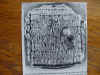
Photo of large section of lower jaw tooth plate (on the floor of the
mouth) of a duckbill ray. The other side has smooth chevrons used as
crushing plates.
$5.00/set unless marked otherwise |
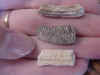
#F-351-A |
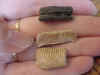
#F-351-B |
|
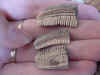
#F-351-D
|
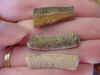
#F-351-E
|
#F-351-F
|
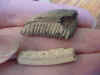
#F-351-G
|
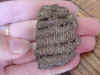
#F-351-J
$12
|
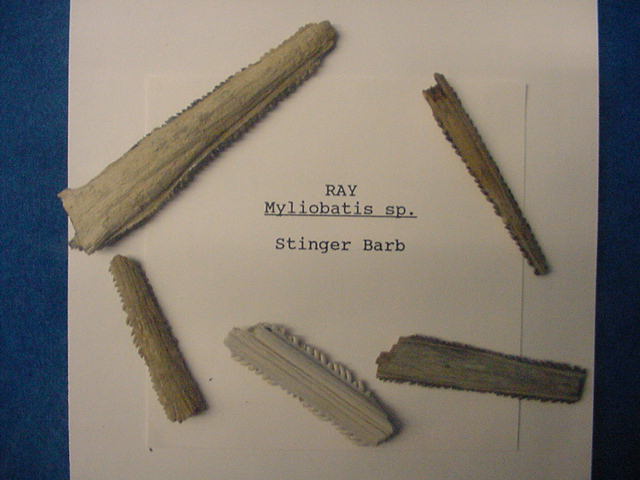
| STING
RAY
FOSSILS
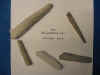
Above photo, compliments of the
Aurora Fossil Museum in North Carolina detailing stingray barb information.
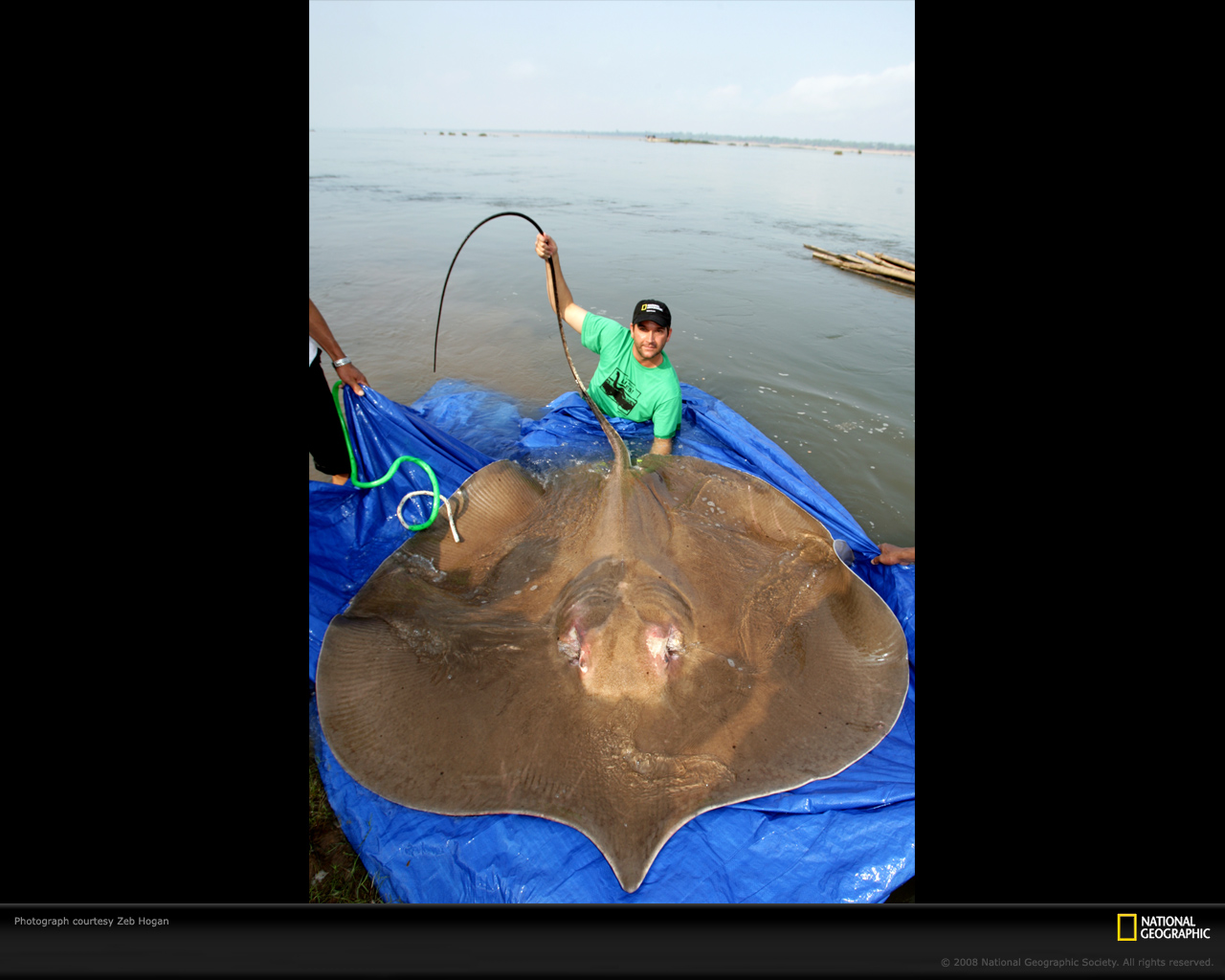
Link to photos of a 198 pound stingray (look
halfway down the page on this link):
http://www.carpecarpio.com:80/freshwaterstingray.html
|
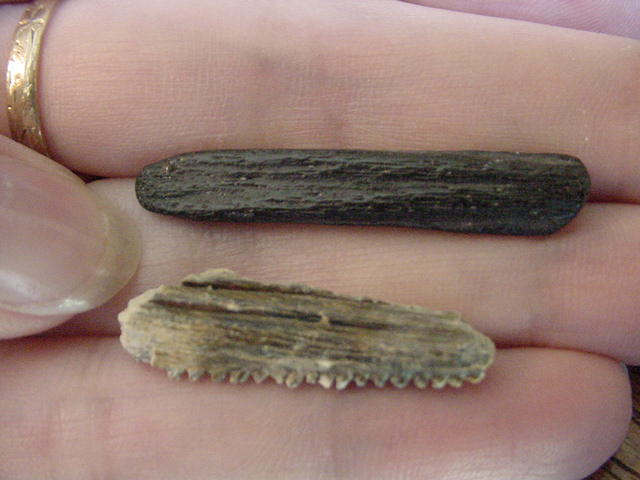
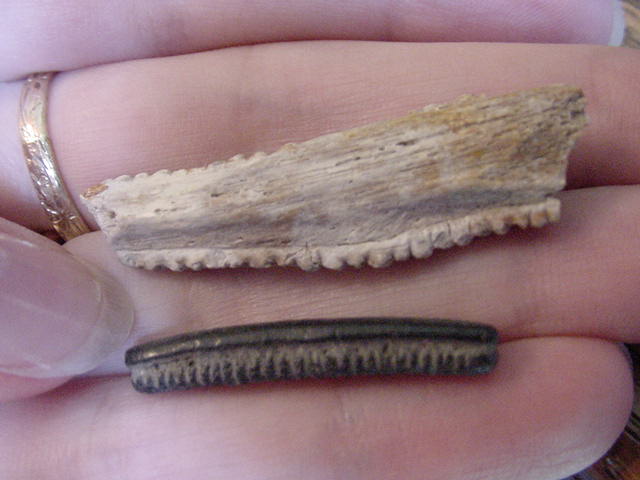
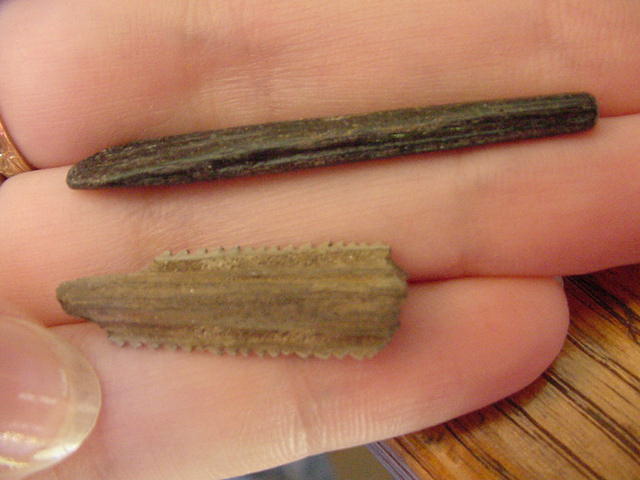
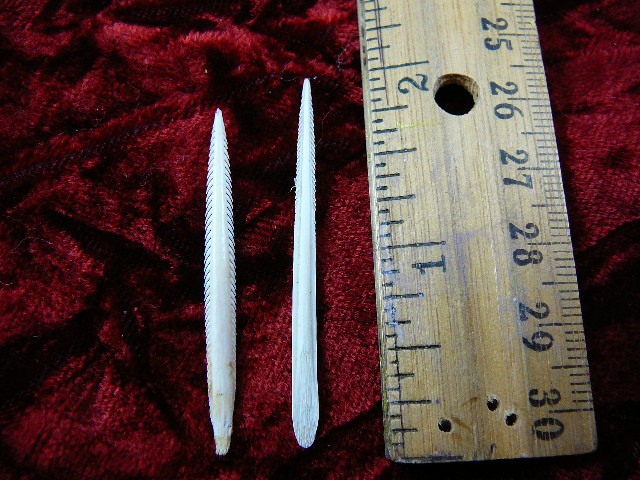
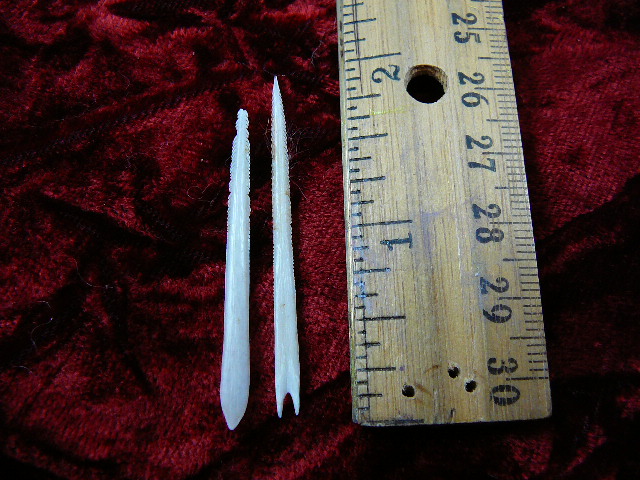
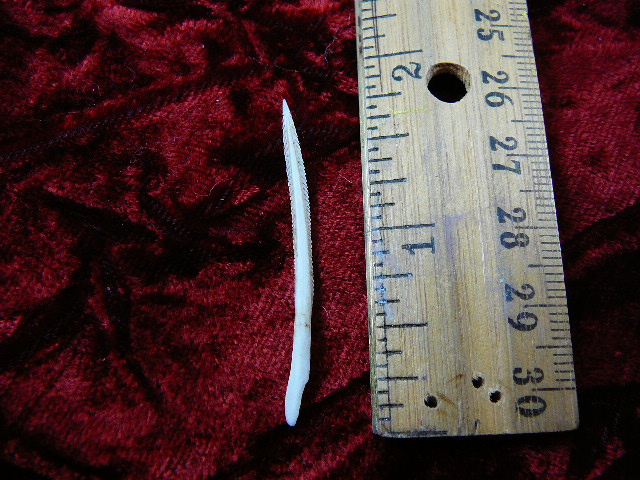
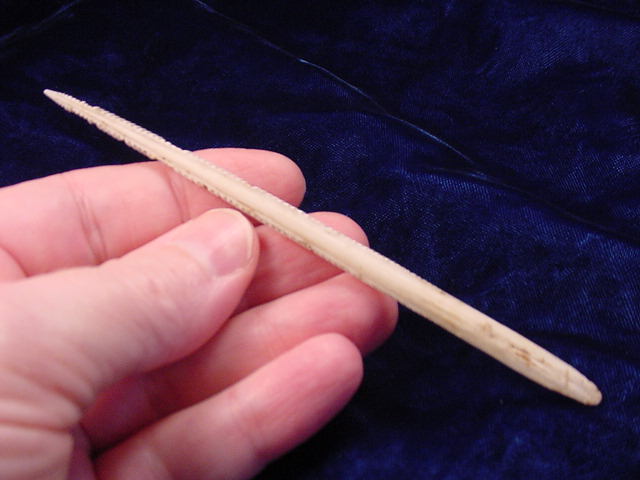
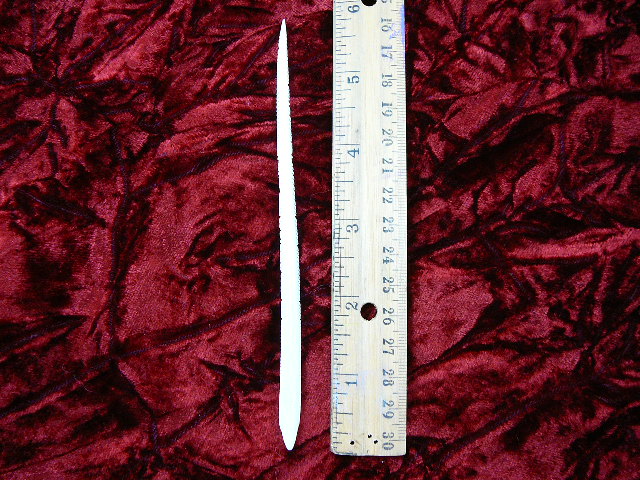
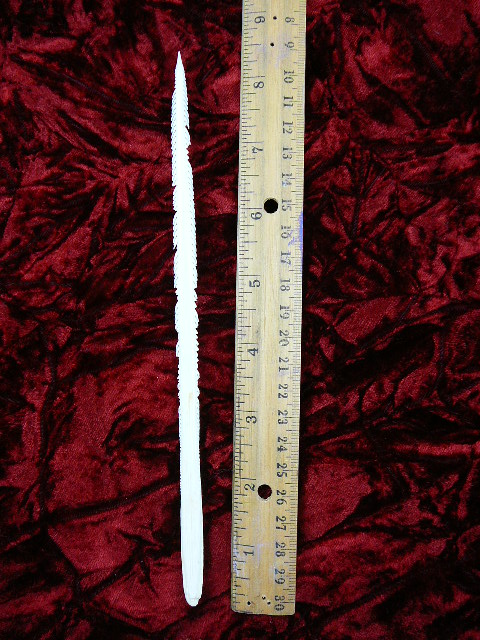
| STING
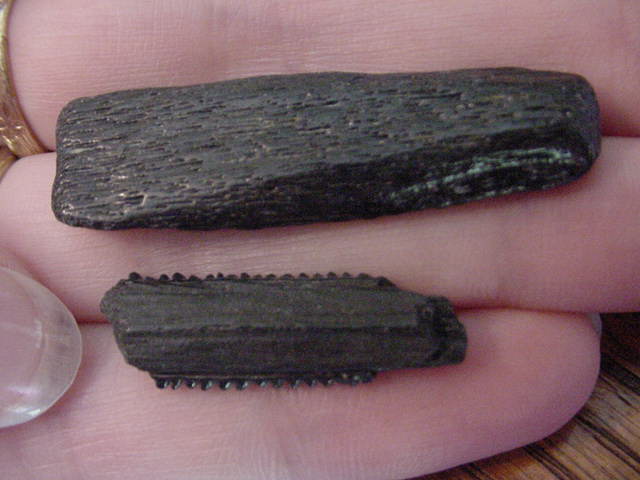
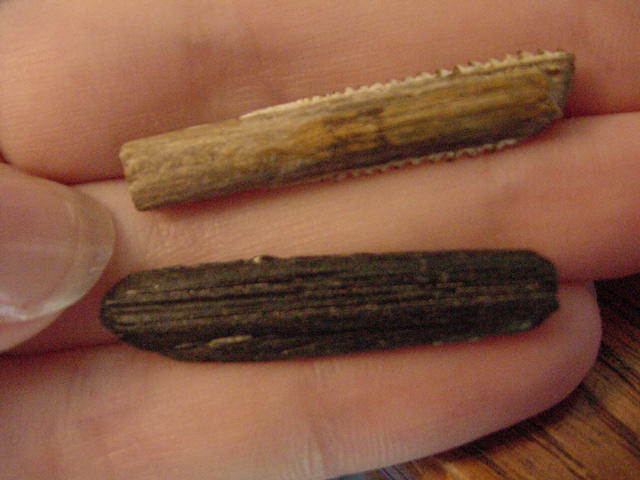
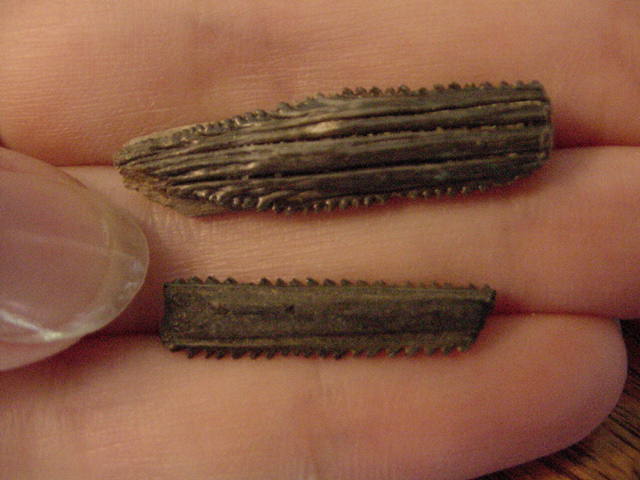
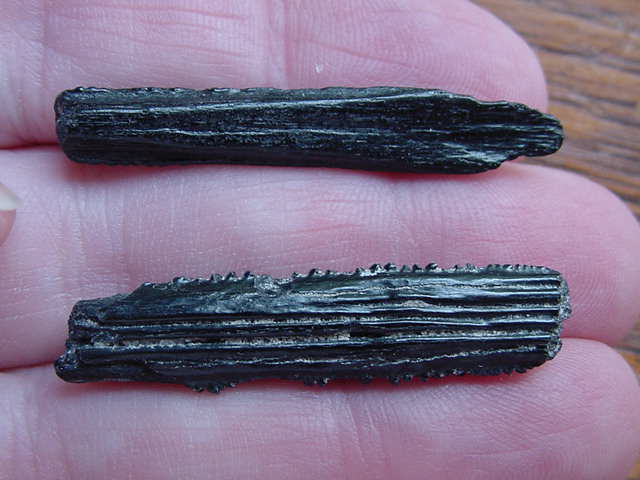
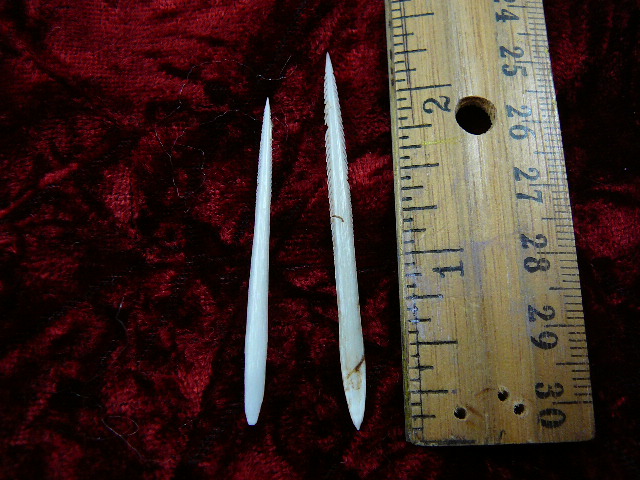
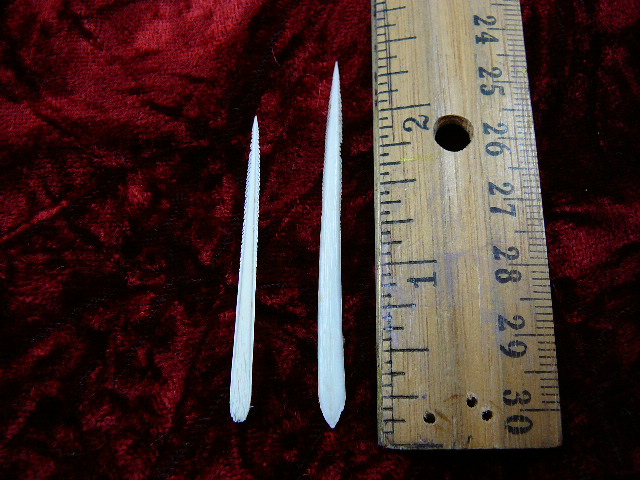
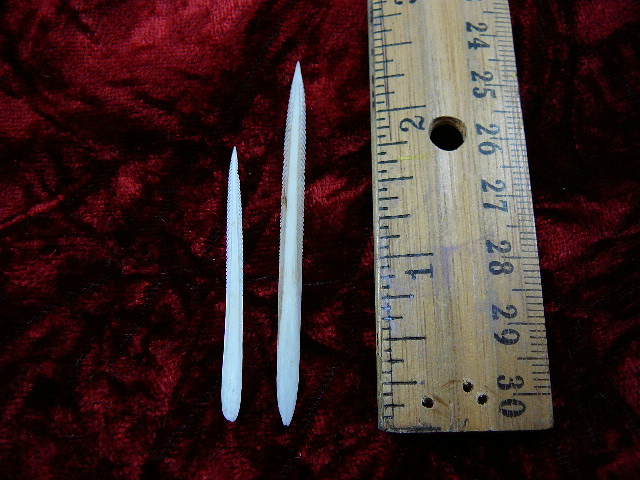
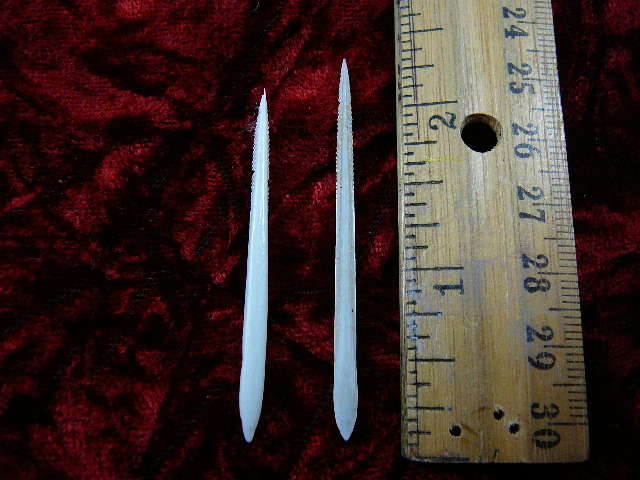
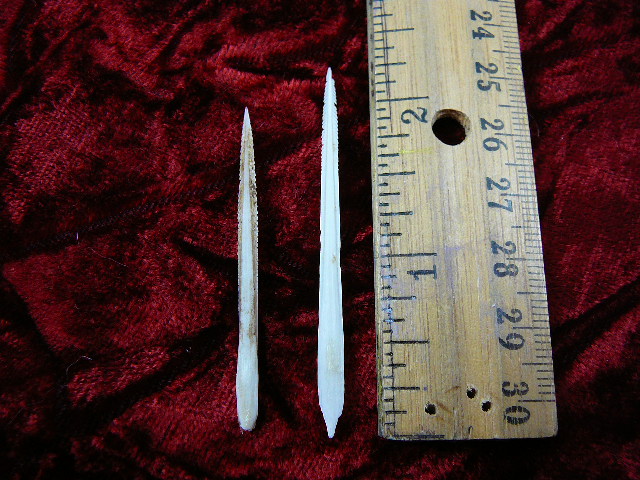
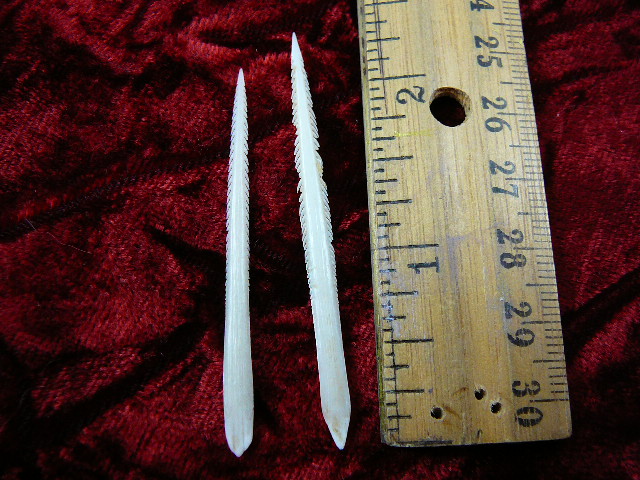
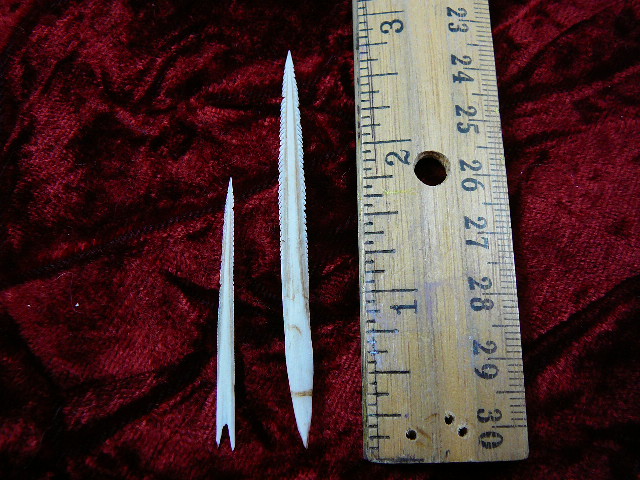
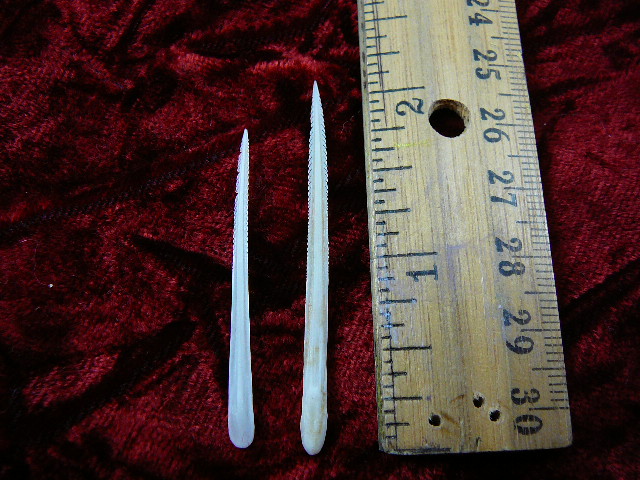
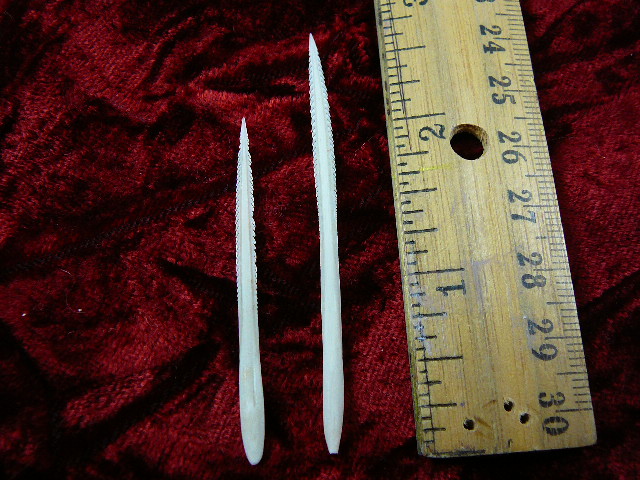
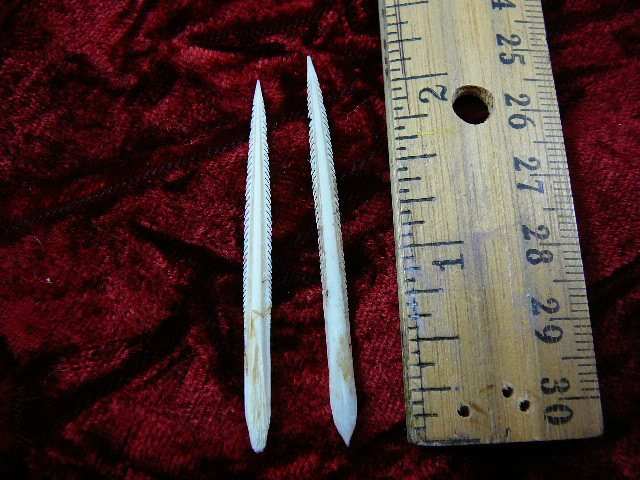
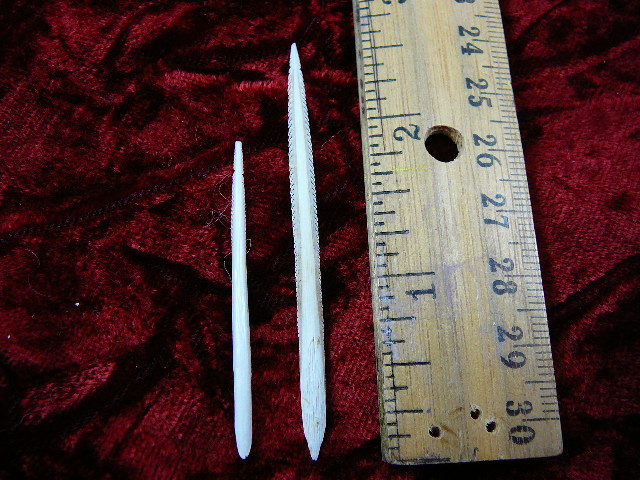
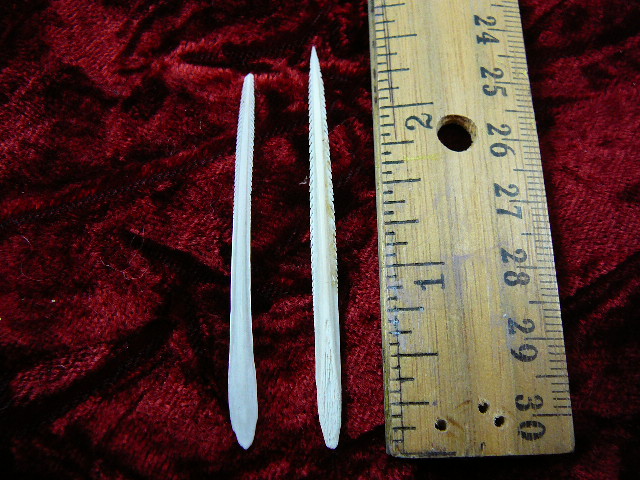
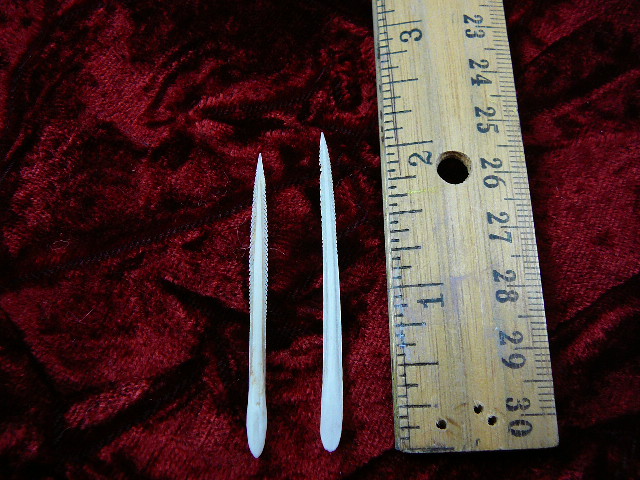
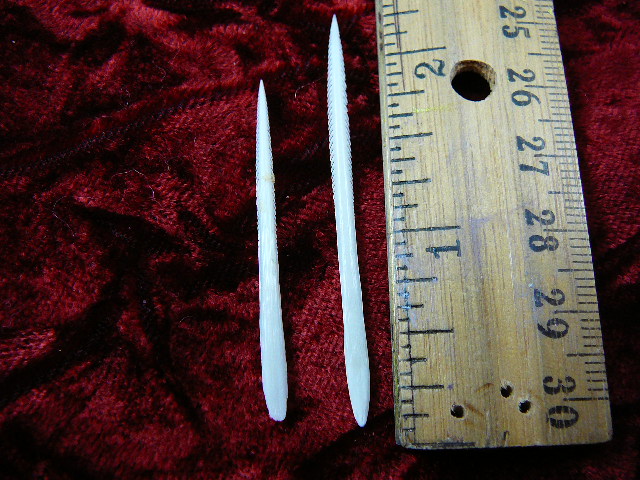
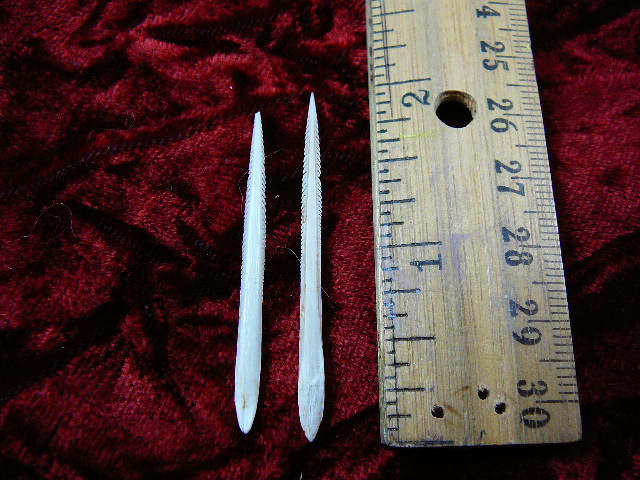
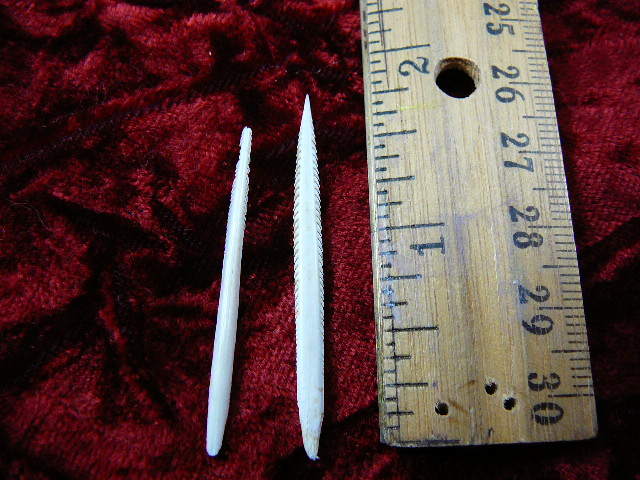
RAY BARBS, from Florida Rivers and Gulf Coast shores and reefs.
Pleistocene Era.
$8 per set, below unless stated otherwise |
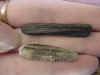
#F-352-A
|
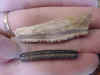
#F-352-B
|
_small.JPG)
_small.JPG)
#F-352-C
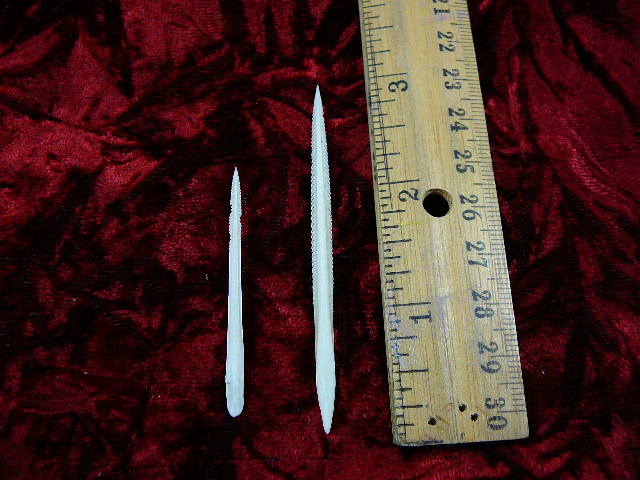
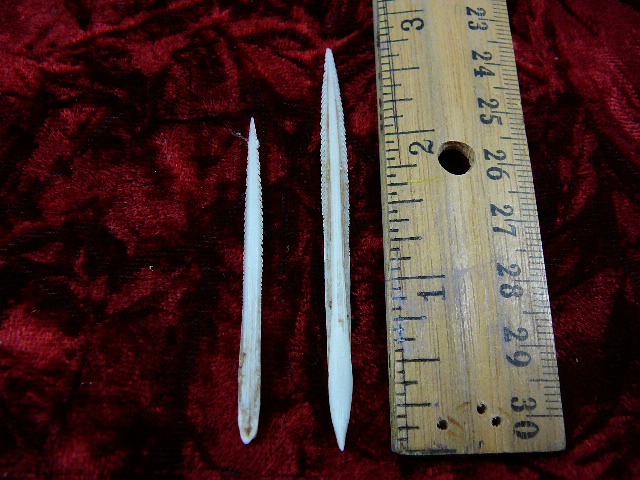
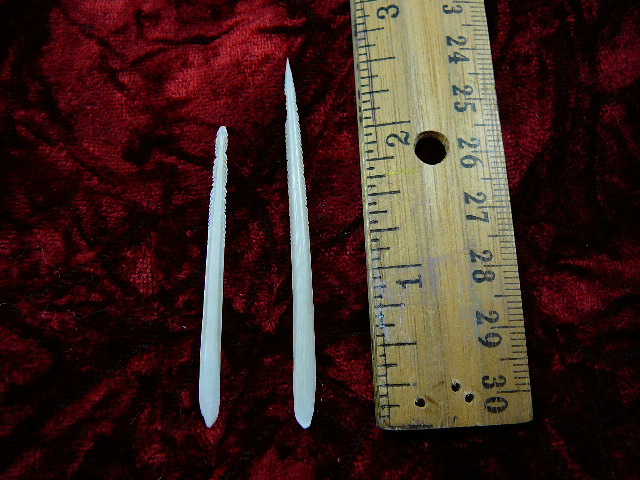
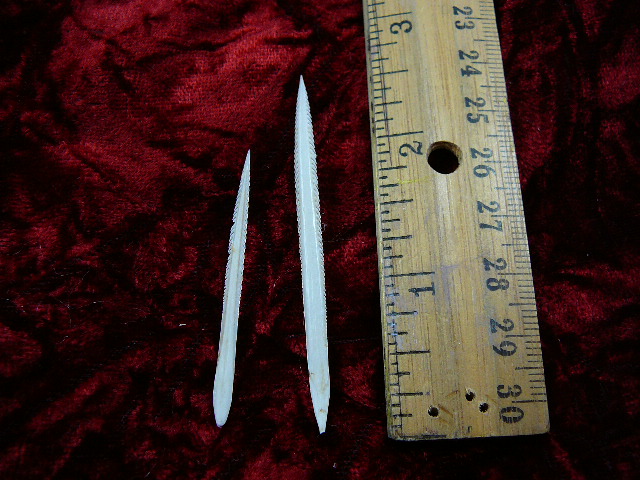
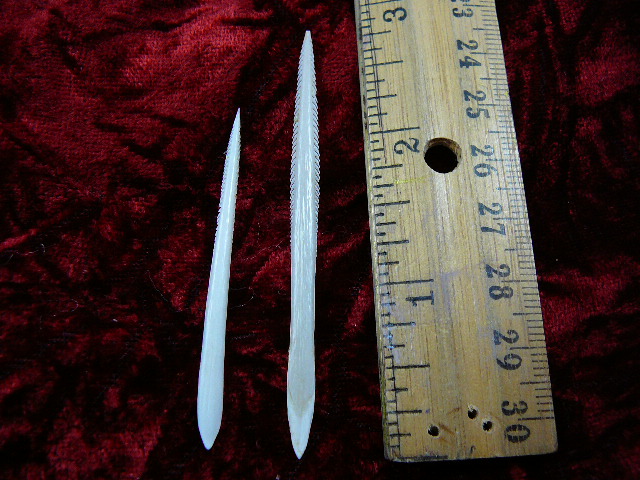
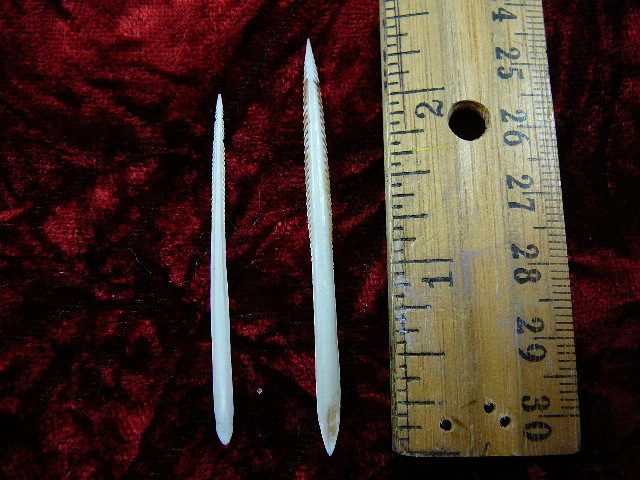
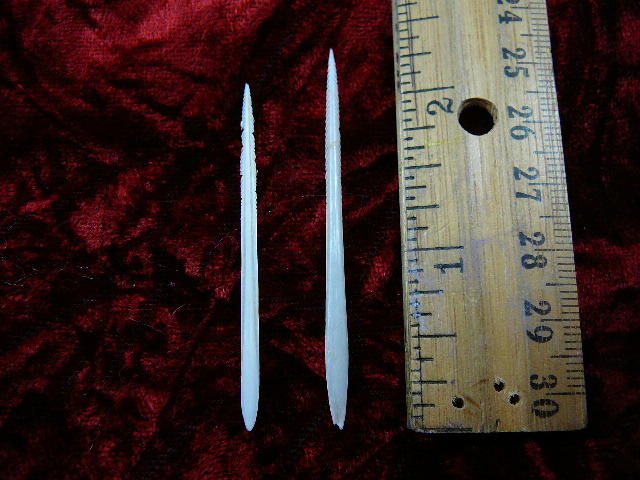
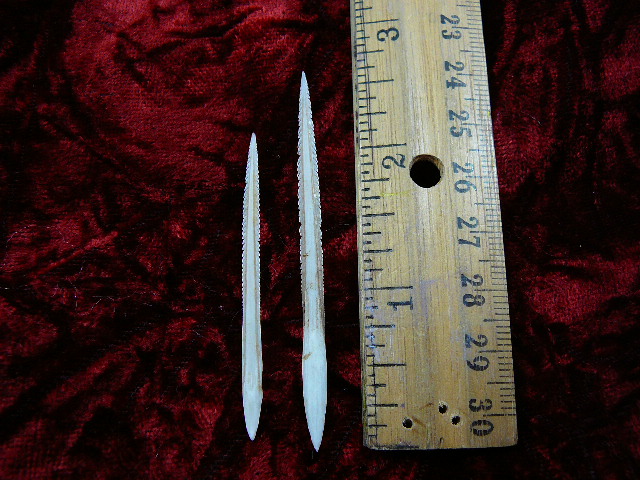
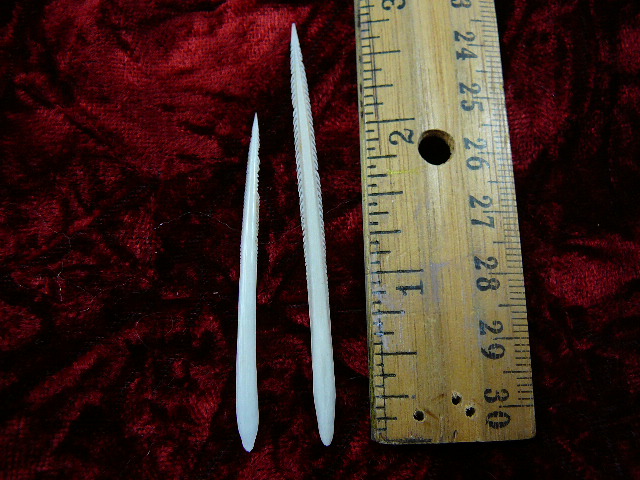
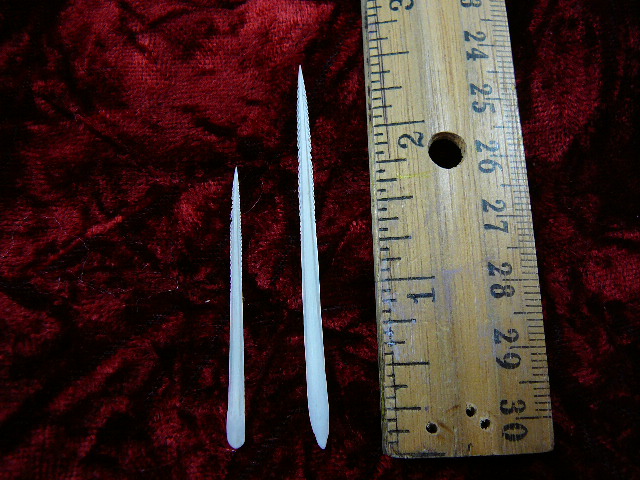
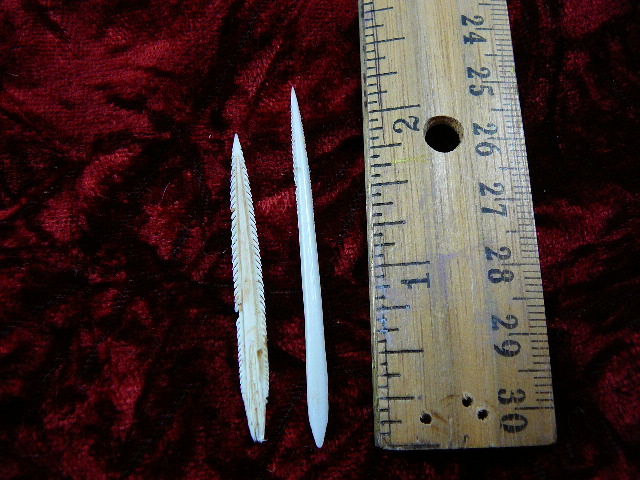
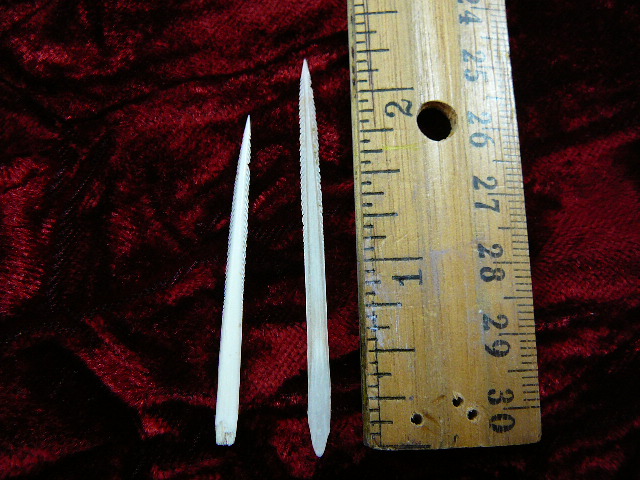
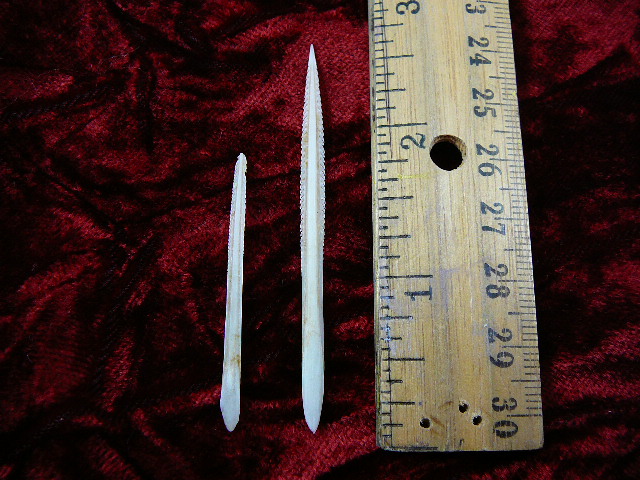
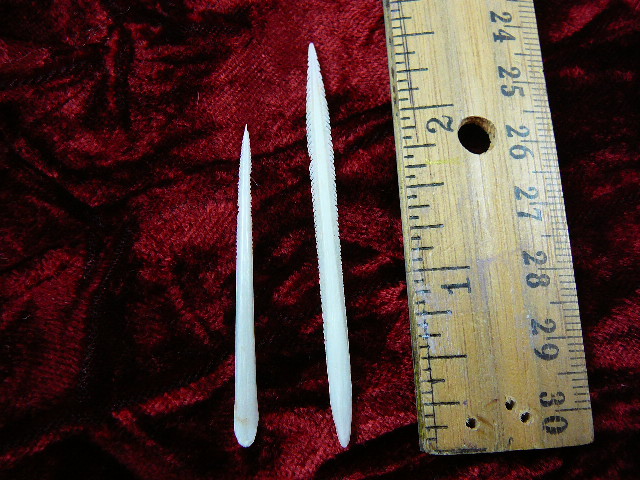
Two stingray barbs, light
colored one is 2-1/4” long
dark barb is 1-1/8” long.
$10 |
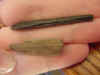
#F-352-D
|
#F-352-G
|
#F-352-I
|
#F-352-J
|
#F-352-K
|
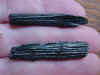
#F-352-L |
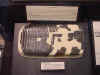
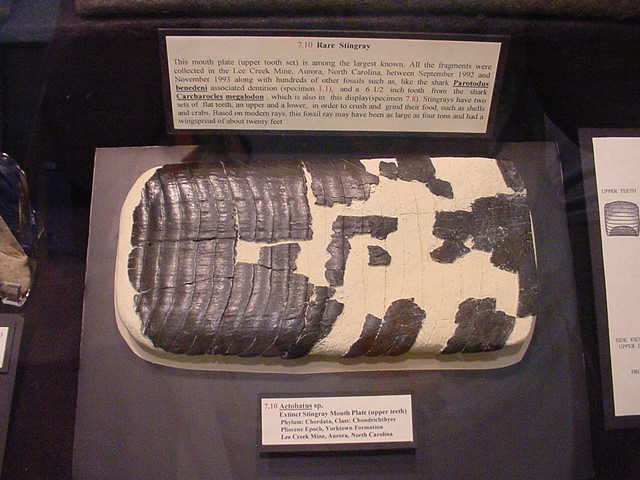
| Rare
stingray mouth plate on display by Powell at the Aurora Fossil show
|
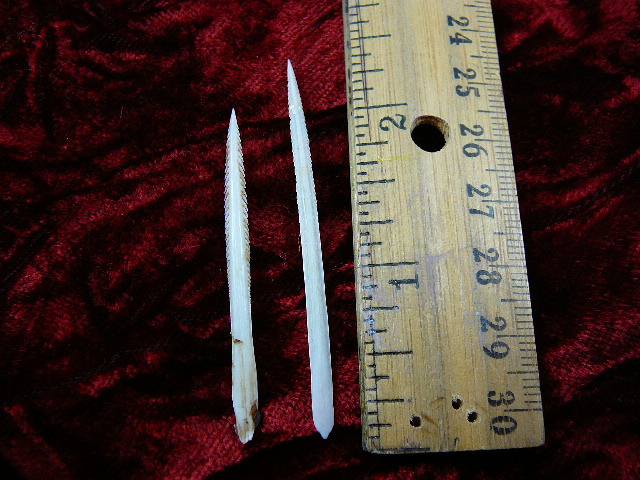
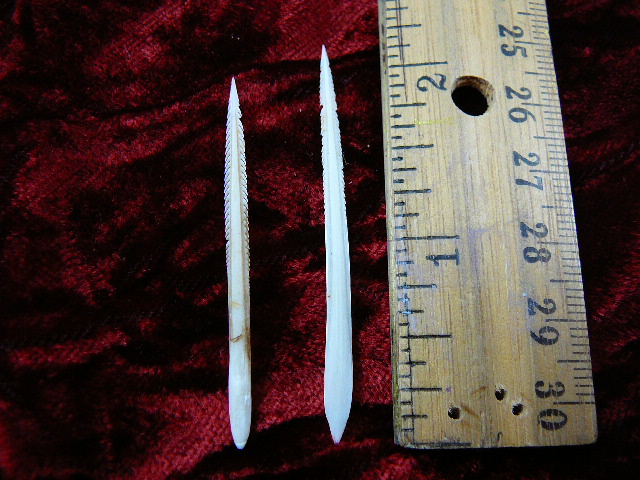
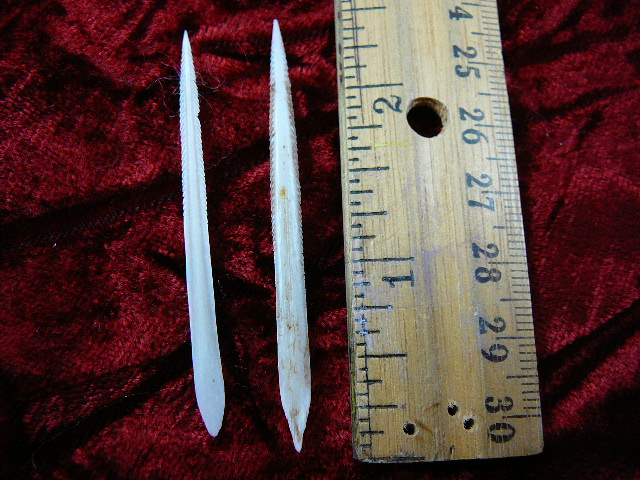
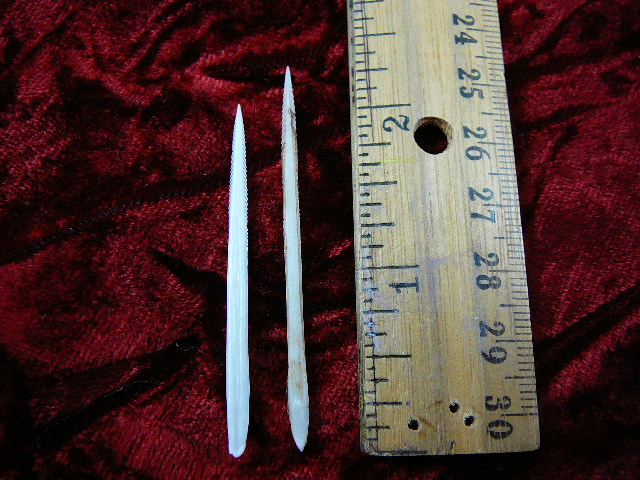
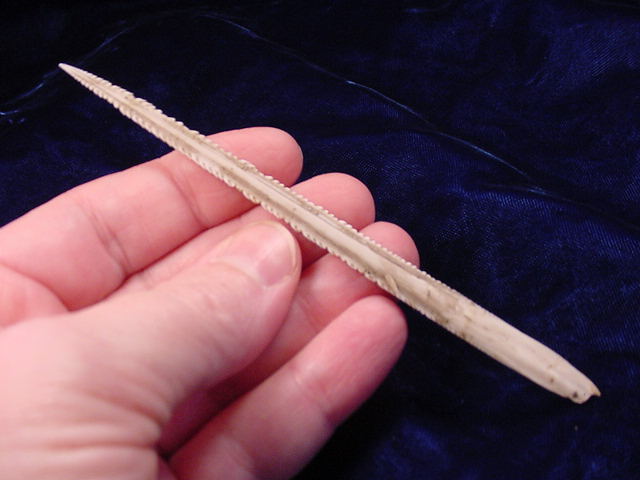
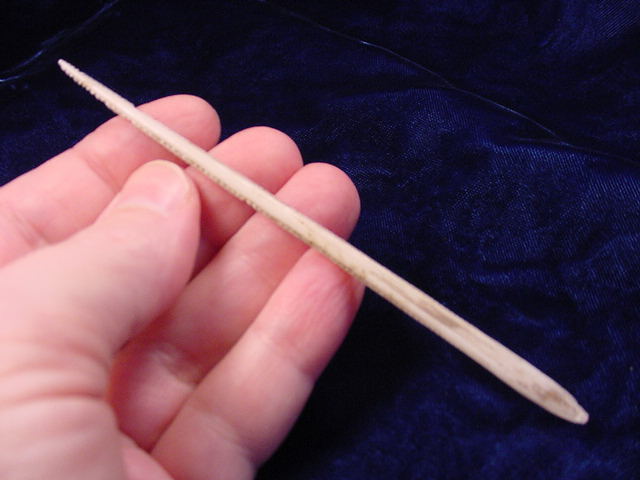
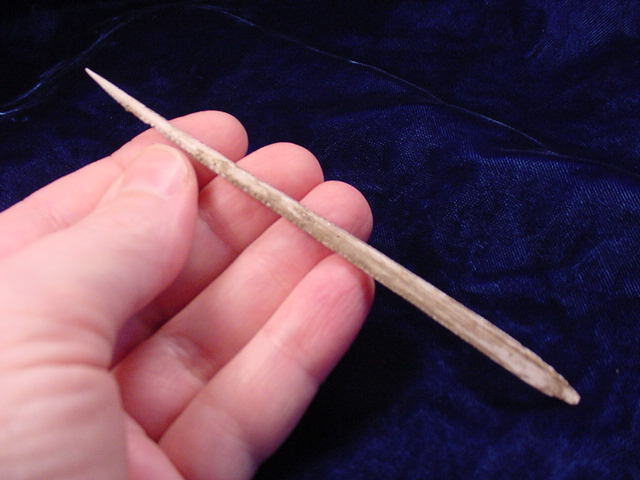
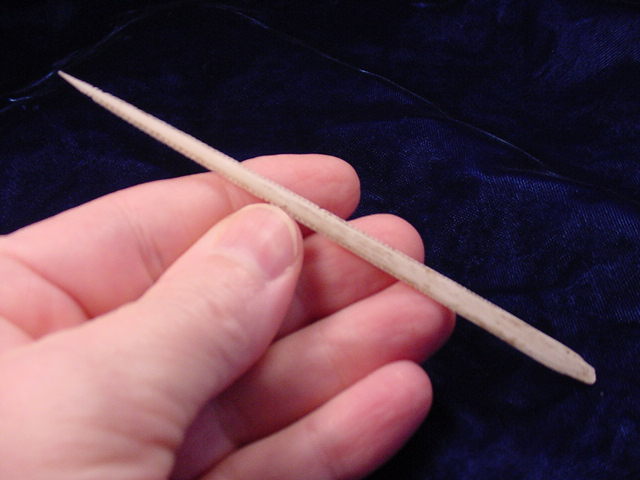
| MODERN
STING RAY (Stingray) BARBS
Thai Freshwater Stingray, Himantura chaophraya
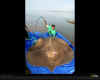
From legally caught rays for their
skin and meat, in Thailand
Note the two edges are like fish
hooks, smooth on one side, hooked on the other, so it can slash from the
side, or from being poked into something, making a jagged wound coming
out:
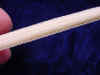
Yes! This is the same type of
sting ray barb that killed Steve Irwin, you can see why. |
| SMALL,
average 1-1/2 to 2-5/8" long
$10 ea. |
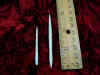 #F352-1 |
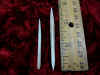 #F352-2 |
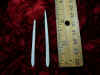 #F352-3 |
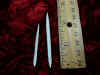
#F352-4
|
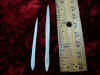
#F352-5 |
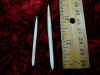
#F352-6 |
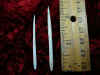
#F352-7 |
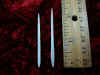
#F352-8 |
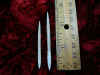
#F352-9 |
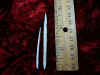
#F352-10 |
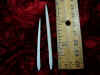
#F352-11 |
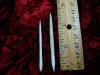
#F352-12 |
|
#F352-12 |
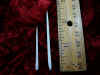
#F352-13 |
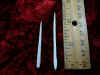
#F352-14 |
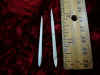
#F352-15 |
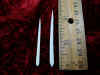
#F352-16 |
#F352-17 |
#F352-18 |
#F352-19 |
#F352-20 |
#F352-21 |
#F352-22 |
#F352-23 |
#F352-24 |
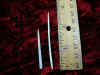
#F352-25 |
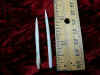
#F352-26 |
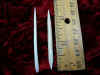
#F352-27 |
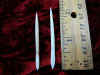
#F352-28 |
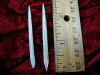
#F352-29 |
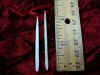
#F352-30 |
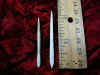
#F352-31 |
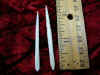
#F352-32 |
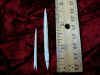
#F352-33 |
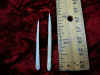
#F352-34 |
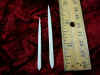
#F352-35 |
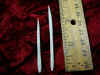
#F352-36 |
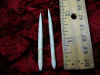
#F352-37 |
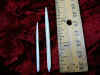
#F352-38 |
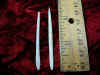
#F352-39 |
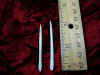
#F352-40 |
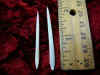
#F352-41 |
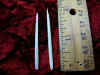
#F352-42 |
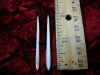
#F352-43 |
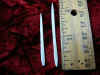
#F352-44 |
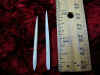
#F352-45 |
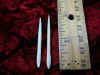
#F352-46 |
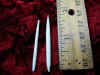
#F352-47 |
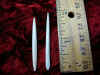
#F352-48 |
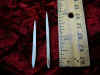
#F352-49 |
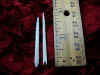
#F352-50 |
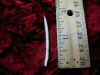
#F352-51 |
| MEDIUM,
average 4-3/8 to 4-7/8" long
$12 ea. |
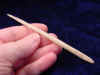
#F352-100 |
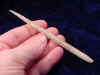
#F352-101 |
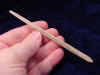
#F352-102 |
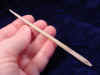
#F352-103
|
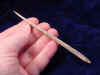 #F352-104 |
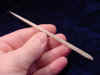 #F352-105 |
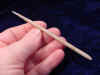 #F352-106 |
|
| LARGE,
average 5 to 6" long
$16 ea. |
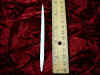 #F352-200 |
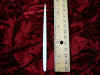 #F352-201 |
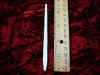 #F352-202 |
|
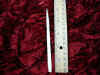
#F352-207 |
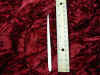
#F352-209 |
|
|
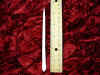
#F352-213 |
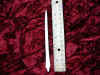
#F352-214 |
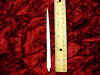
#F352-215
|
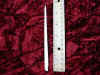
#F352-216 |
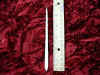
#F352-218 |
#F352-219 |
#F352-221 |
#F352-222 |
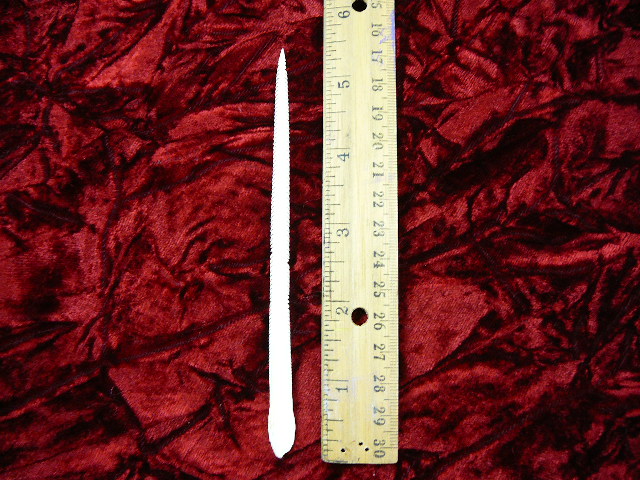
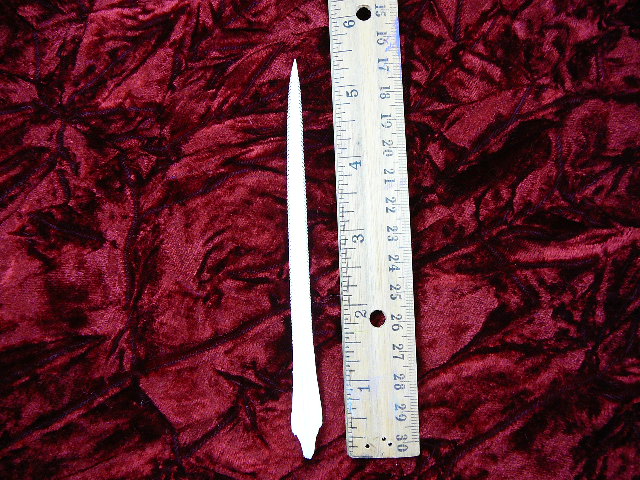
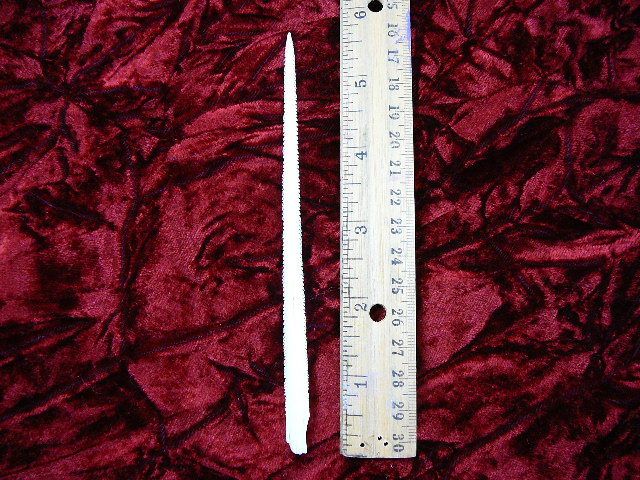
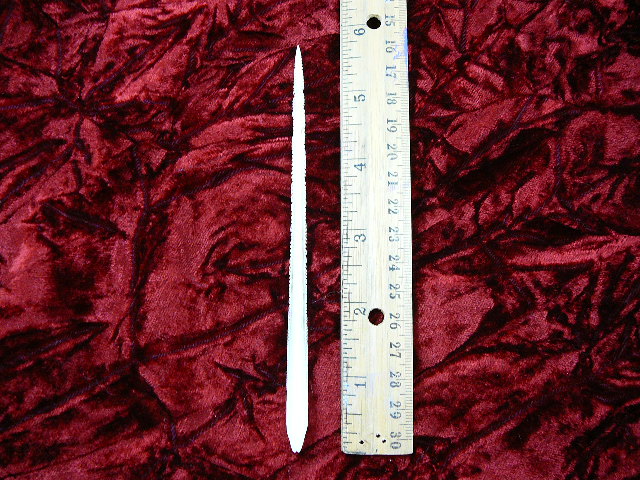
| EXTRA
LARGE,
average 8-1/4 to 8-1/2" long
$24 ea. |
 #F352-302 SOLD |
|
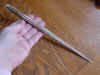
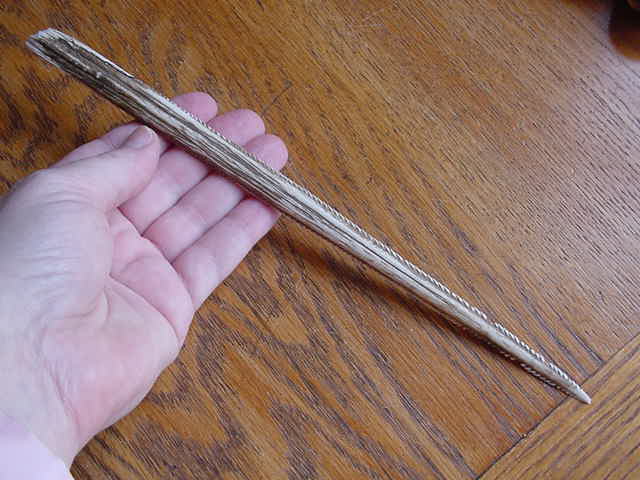
Photo of large stingray barb from Australia in
our collection (not for sale)...
|
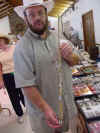
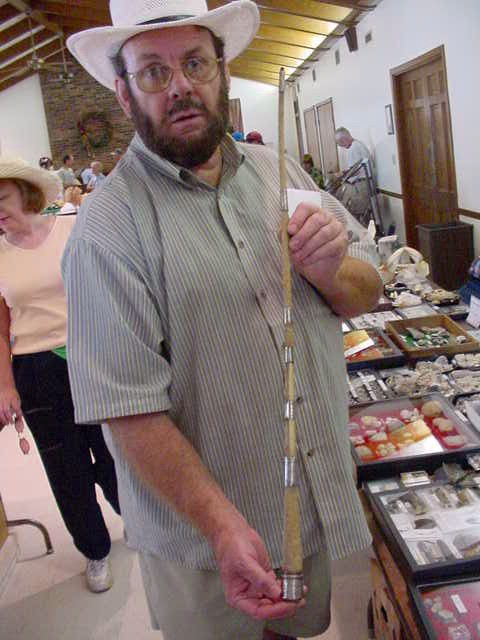
Glenn is holding another walking cane from
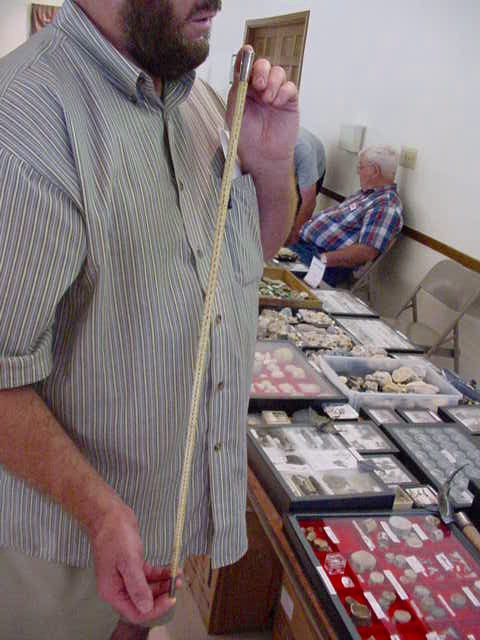
Trish of Durham at the Aurora NC Fossil Club display that is made of an
entire STING RAY TAIL including the BARB. An amazing item! |
| Rare
Fossil Micro Teeth
They are teeny tiny!
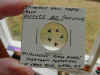
Follow link to: Sharks
page 13 |
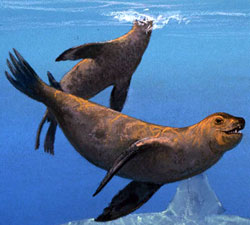
| SEAL
FOSSILS
California and Alaska
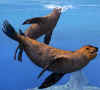
This sea lion ancestor Allodesmus
thrived in the Miocene bay that covered what is now Bakersfield.
Many of its skulls have been found.
Judging by the number found in the
local Sharktooth Hill bone bed, large numbers of the animal lived in this
area during the Middle Miocene (13.5 to 15 million years ago).
An almost-complete skeleton of
Enaliarctos, the ancestor to modern seals and sea lions and to Allodesmus,
an extinct sea lion genus, was discovered in Northern California.
Allodesmus looked much like modern sea lions, but had some important
differences.
Allodesmus had large eyes, which helped it see
underwater, but, unlike sea lions, its ears were unsuited for hearing
underwater. Allodesmus declined into extinction about 10 million years
ago. |
| SEAL
VERTEBRAE |
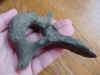
#F-354 4-1/2" long x 3-5/8"
wide x 1" tall $35.00 sold |
| SEAL/SEA
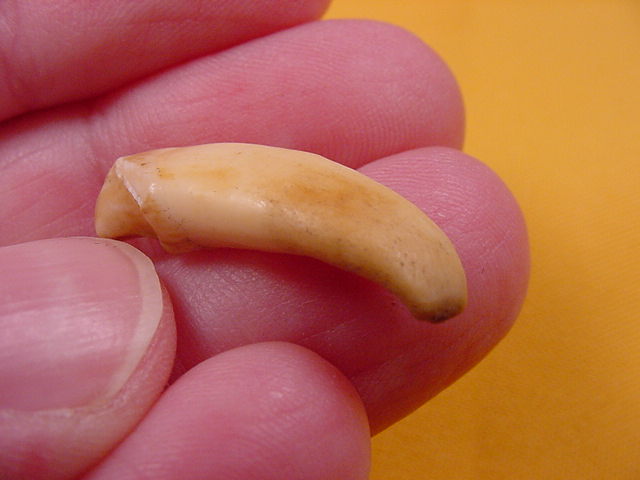
LION CANINE TEETH, Miocene, Bakersfield CA |
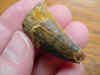
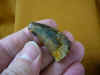
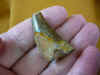
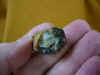
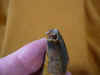
#F-354-B
1-1/2", back of tooth has enamel
chip $35 |
FOSSIL SEAL CANINE TEETH
This genuine fossilized seal
canine tooth was excavated by Native Eskimo of the Siberian Yup’ik
tribe from St. Lawrence Island, Alaska (off the coast of Alaska in the
Bering Sea, Arctic Ocean), 100% privately owned land by these Native
people.
Estimated age: 20,000 years old, from the
Mesolithic Ice Age.
Average 1" long; estimated age:
20,000 years old
$10 ea. |
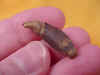
#F354-M |
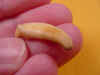
#F354-O |
|
| LLAMA
FOSSILS
50,000 years old, Pleistocene,
Suwanee River, Florida
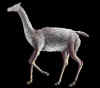
There are three living genera and six species in the
Camelidae family. They include the Old World 'true camels', the Dromedary
(single-humped) and Bactrian (two-humped) camels, and the four New World
llamines; llamas, vicunas, alpacas, and guanacos. Llamines, or llamas, are
distinguished from camels in that they lack a hump, they have more of a
domed cranium which houses a larger brain then camels, and they have a
distinct enamel "buttress" on their molars.
Camelids first appear in the fossil record in the middle
Eocene of North America. From the first distinguishable fossil camelid (Poebrodon)
through to the Recent forms, camelids have ranged in size from about 3
feet tall (Genticamelus), to approximately 17 feet tall at the head
(Aepycamelus). Over 50 species have been recognized in the fossil
record, although today only 6 species remain.
|
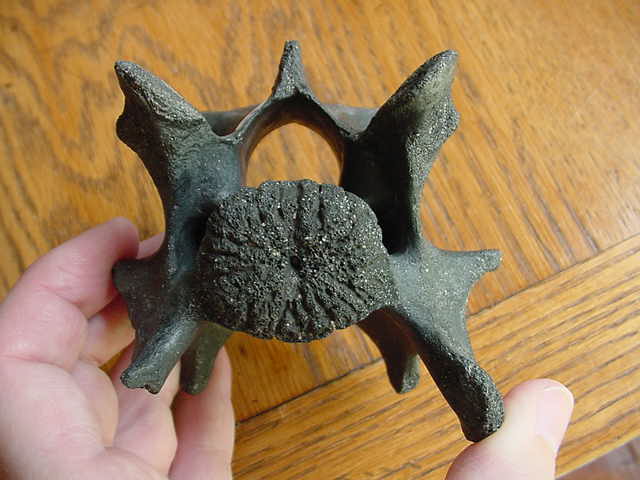
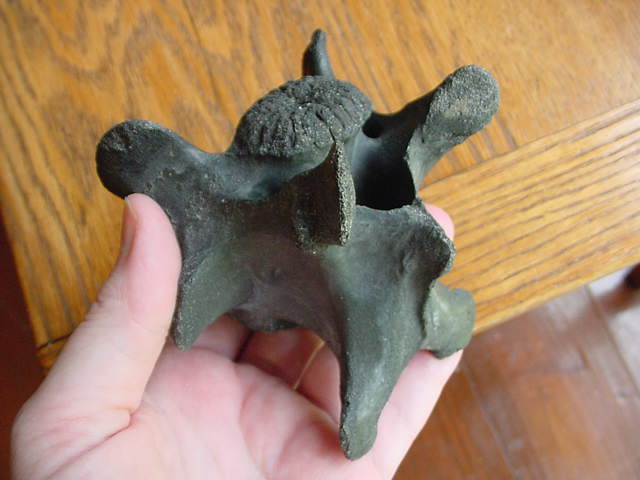
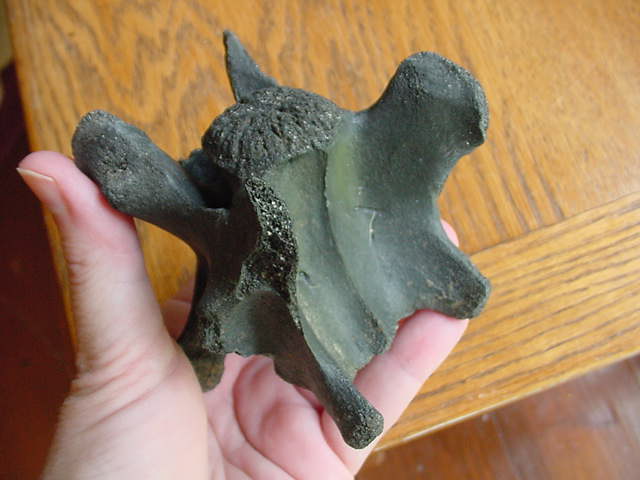
| LLAMA
VERTEBRAE |
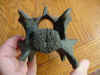
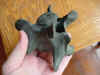
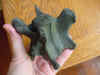
#F-355 Superb Llama vertebrae is
3-1/2" long x 3" wide x 3-1/2" tall. $55.00 sold |
| LLAMA
TEETH $10 each |
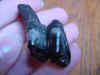
#F-355-C SOLD
|
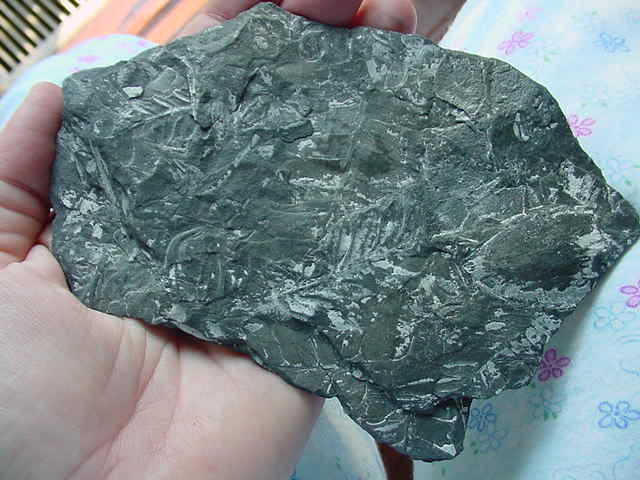
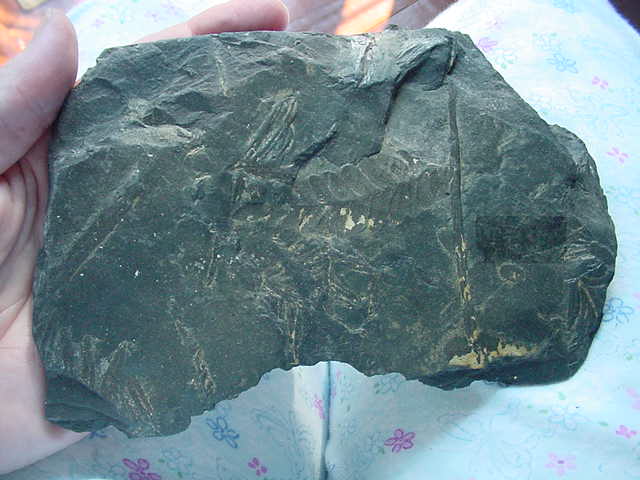
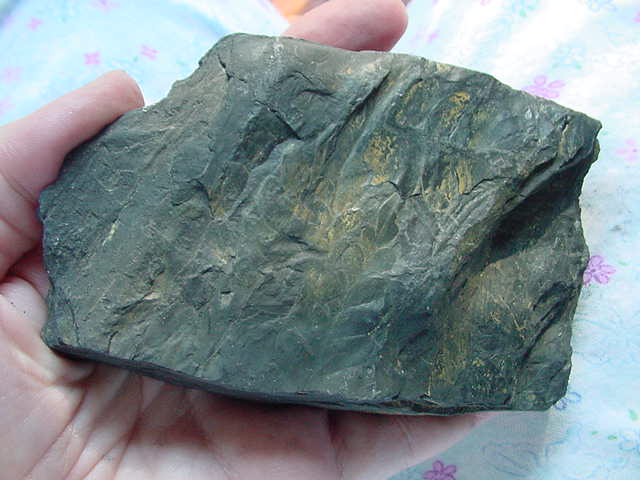
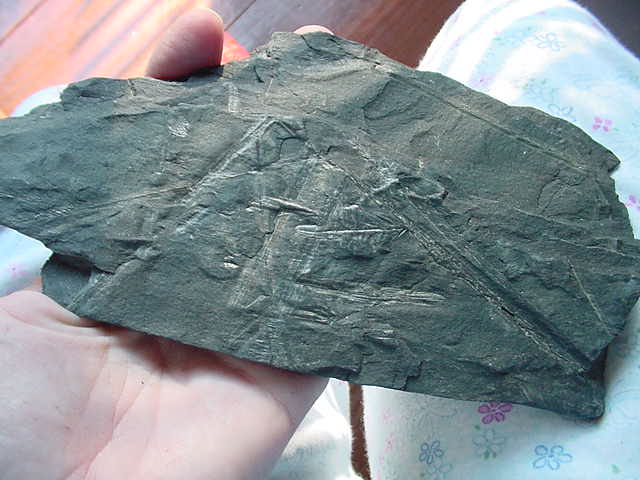
| FOSSIL
FERN in slate, Pennsylvanian Period, 350 million years old,
St. Clair, Pennsylvania; fern has been replaced with white pyrophyllite and
brown iron oxide |
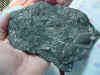
#F-356-B 5-1/2" x 4", 1/4" thick, 5.7 oz
$18.00 |
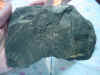
#F-356-C 6-1/4" x 4",
1/2" thick tapering to an edge, 13.8 oz
$18.00
|
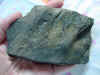
#F-356-D 4-1/2 x 2-3/4", 3/4"
thick, 10 oz
$16.00 |
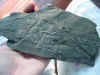
#F-356-E 7-1/4 x 3-3/4, 1/2" thick,
11.9 oz
$20.00 |
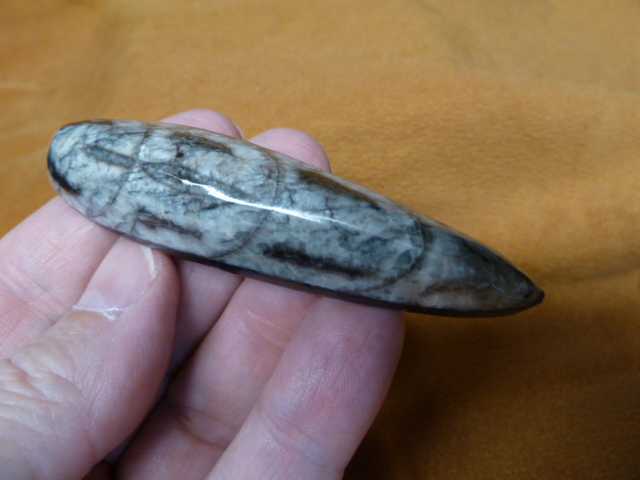
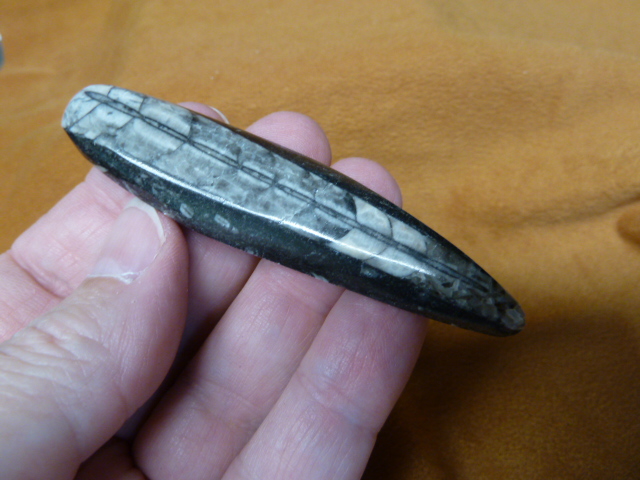
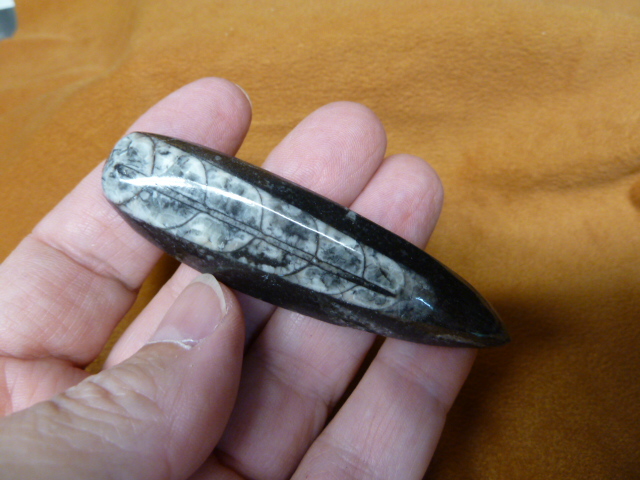
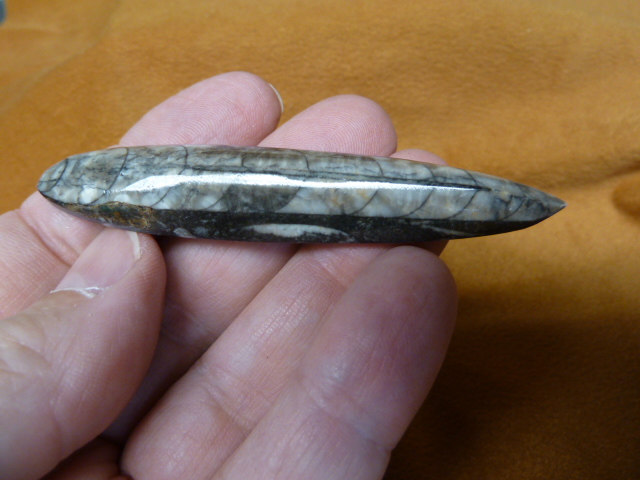
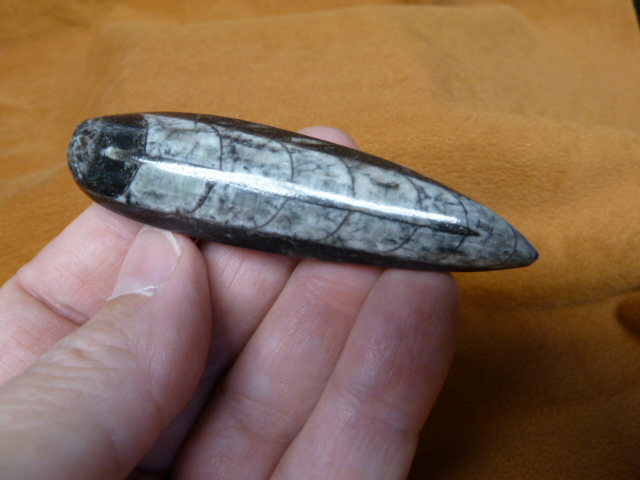
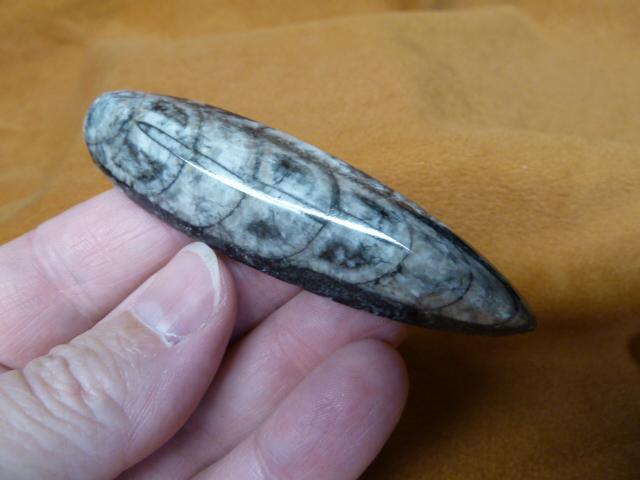
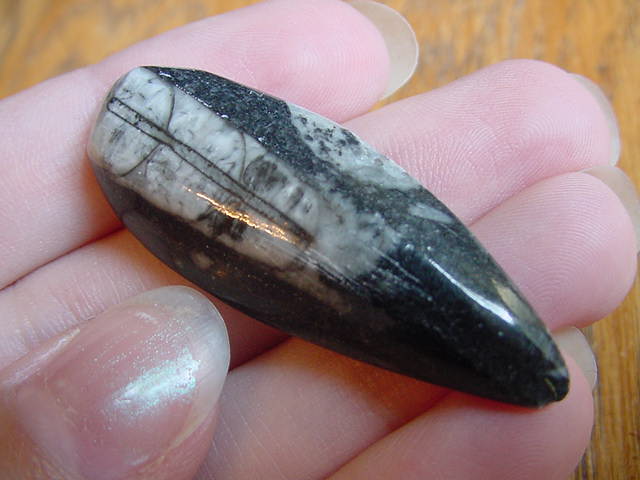
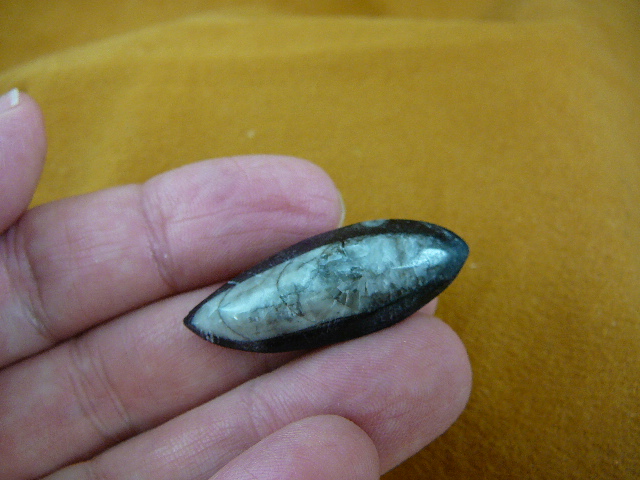
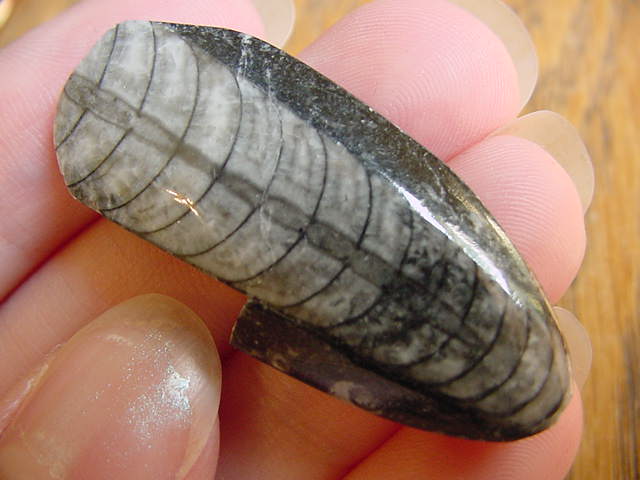
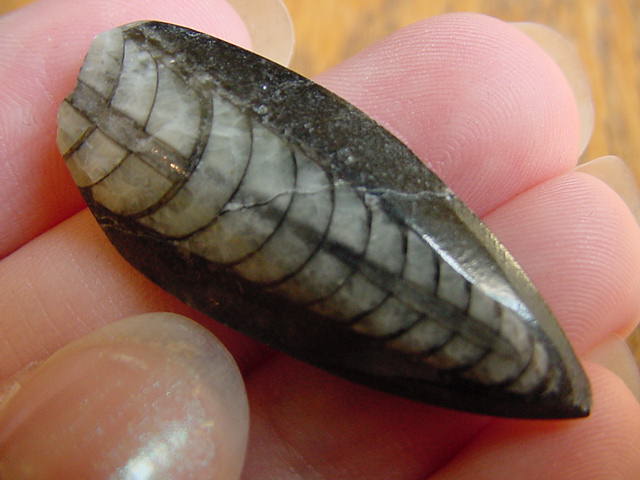
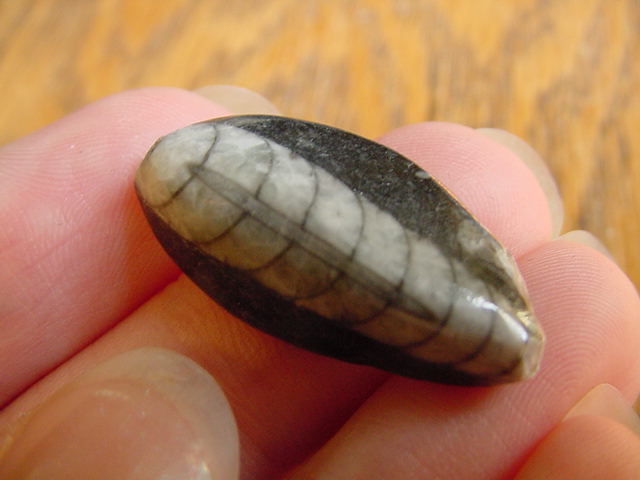
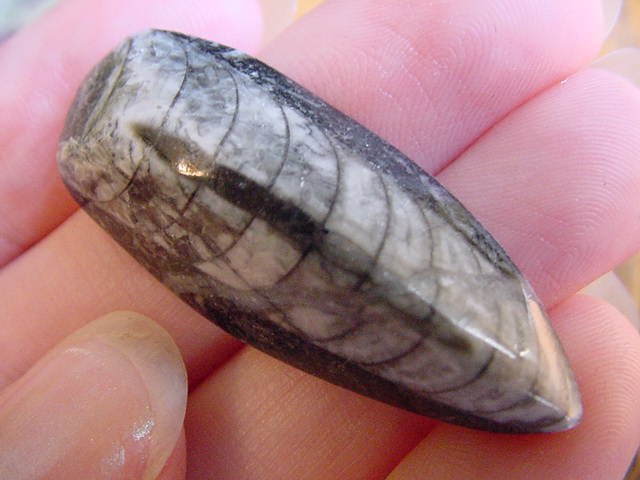
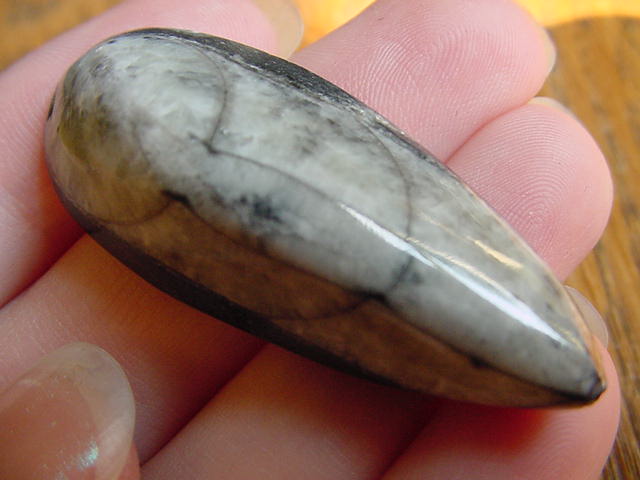
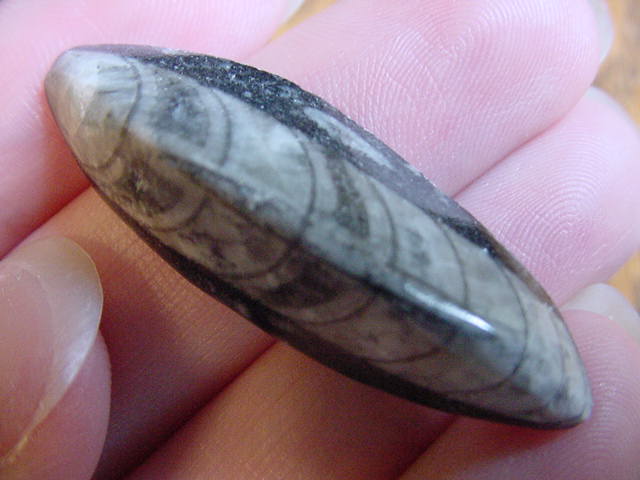
| ORTHOCERAS
FOSSILS
Orthoceras, straight horn shell fossil, a type of cephalopod,
Ordovician era, 450 million years old, from Morocco is 1-1/2" long.
Great addition for the new fossil collector!
The Orthoceras marble fossils are excavated near the town of Erfoud in Southern Morocco,
Africa. Here's a local map of Erfoud:
http://www.multimap.com/wi/32279.htm
and a picture map of Morocco showing
Erfoud:
http://www.matchtours.com/history/map.htm
There are marble factories in Erfoud
that polish the gray marble containing the ammonite and orthoceras fossils and
cut them into tables, plates and many into display items.
|
| ORTHOCERAS
MARBLIZED FOSSILS
Average size 3 to 3-1/2" $12.00 each |
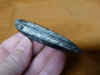
#F369-3 |
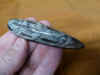
#F369-6 |
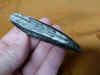
#F369-7 |
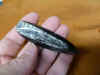
#F369-8 |
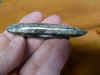
#F369-9 |
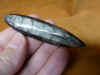
#F369-10 |
|
|
| |
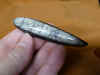
#F369-14 |
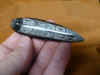
#F369-15 |
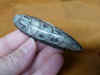
#F369-16 |
| ORTHOCERAS
MARBLIZED FOSSILS
Average size 2 to 2-1/2" $8.00 each |
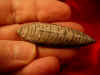
#F370-1
SOLD |
| Average
size 1-1/2 to 1-3/4" $6.00 each |

#F-370-C |
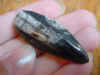
#F-370-E
|
|
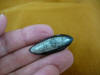
#F-370-H |
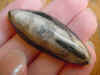
#F-370-L
|
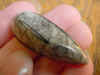
#F-370-N
|
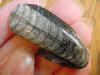
#F-370-O
|
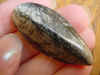
#F-370-R
|
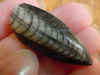
#F-370-S
|
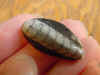
#F-370-V
|
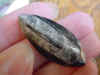
#F-370-Z
|
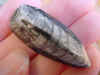
#F-371
|
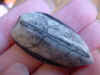
#F-371-B
|
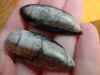
#F-371-C
|
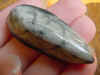
#F-371-D
|
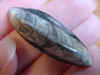
#F-371-F
|
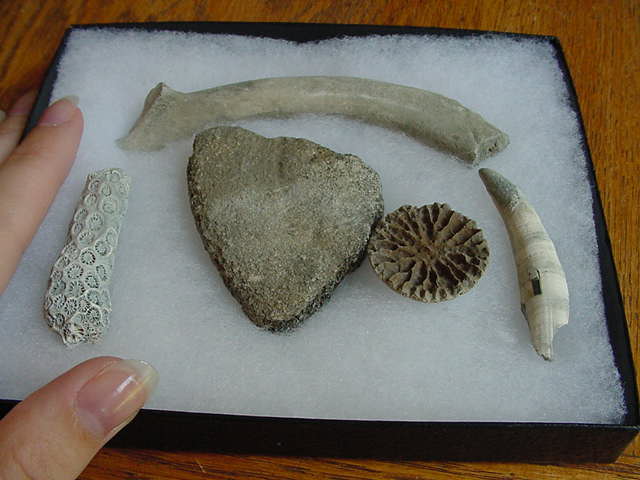
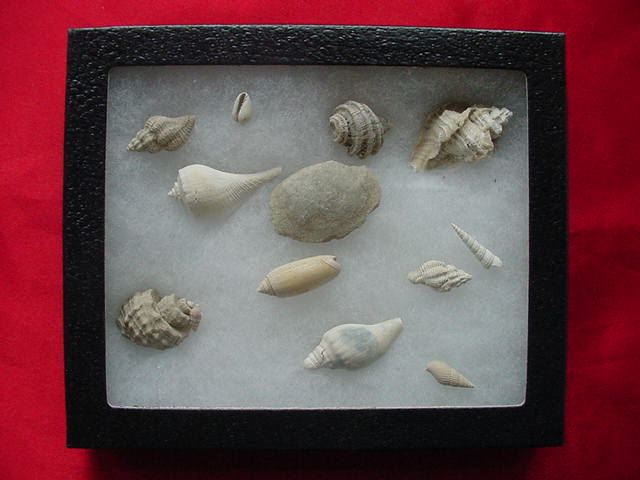
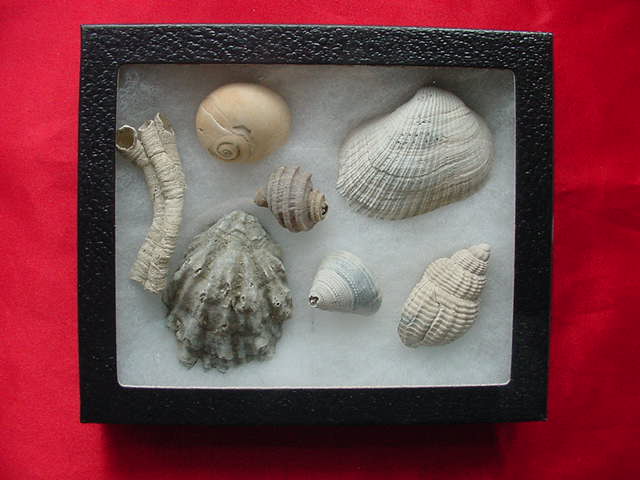
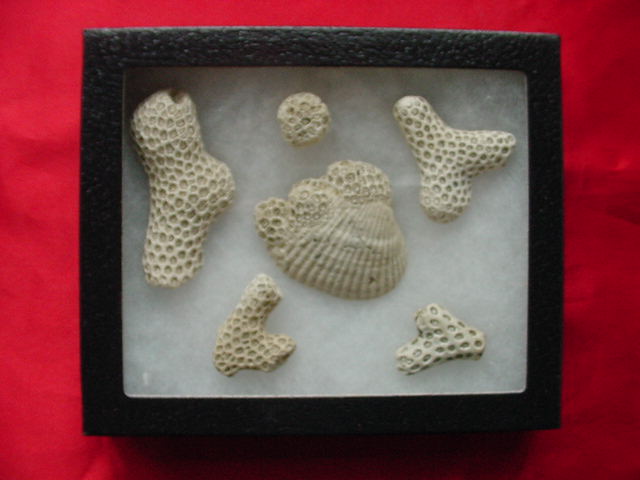
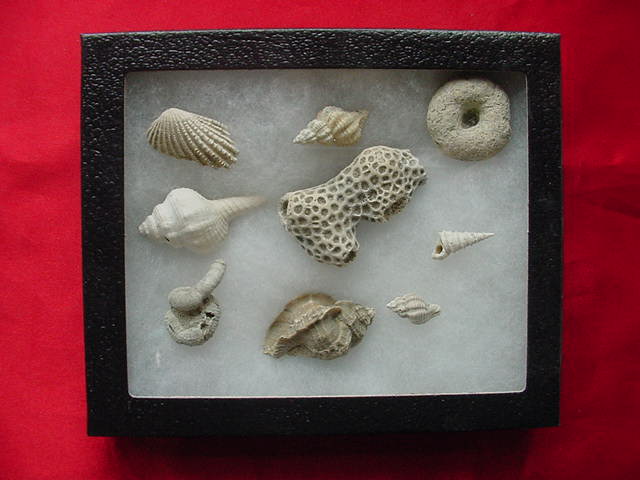
| Riker
mounts of Fossil SHELL specimens |
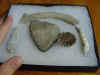
#F-393
Whale tooth (2-1/4", vertebrae disk pad (1-1/8" diameter);
turtle shell 2-1/4 x 1-7/8"; coral (2") and mammal bone
4-1/4"; Lee Creek, NC
$20 |
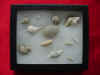
#F-394
13 small fossil shells in a Riker mount 6-1/4" x 5-1/4"
x 3/4" high, glass top. Comes with a free field guide to fossils &
shells.
$22 |
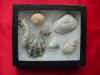
#F-395
7 fossil shells in a Riker mount 6-1/4" x 5-1/4" x
3/4" high, glass top, comes with a free field guide to fossils &
shells.
$25 |
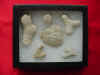
#F-396
6 fossilized branch coral including one matrix, great
specimens. In a Riker mount 6-1/4" x 5-1/4" x 3/4" high,
glass top, comes with a free field guide to fossils & shells
$20 |
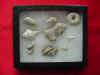
#F-397
9 fossil shells & branch coral in a Riker mount 6-1/4" x
5-1/4" x 3/4" high, glass top, comes with a free field guide to
fossils & shells.
$18 |
Click To Go to Fossils Page 1 Page
2 Page 4 Page 5
Page 6 Page 7 Page
8 Page 9 Page 10
Page 11
Page 12
Page 13 Page 14
(TABLE OF CONTENTS ON PAGE 1)
|




























.JPG)
.JPG)
.JPG)
.JPG)
.JPG)
.JPG)
.JPG)
.JPG)
.JPG)
.JPG)
.JPG)
.JPG)
.JPG)
.JPG)
.JPG)
.JPG)
.JPG)

.JPG)
.JPG)
.JPG)
.JPG)
.JPG)
.JPG)
.JPG)
.JPG)
.JPG)
.JPG)
.JPG)
.JPG)
.JPG)
.JPG)
.JPG)
.JPG)
.JPG)
.JPG)
.JPG)
.JPG)
.JPG)
.JPG)
.JPG)
.JPG)


.JPG)
.JPG)
.JPG)
.JPG)
.JPG)
.JPG)
.JPG)
.JPG)
.JPG)
.JPG)
.JPG)
.JPG)
.JPG)
.JPG)
.JPG)
.JPG)
.JPG)
.JPG)
.JPG)
.JPG)
.JPG)
.JPG)





.JPG)
.JPG)
























.JPG)
.JPG)
.JPG)
.JPG)
.JPG)
.JPG)
.JPG)
.JPG)
.JPG)
.JPG)
.JPG)
.JPG)
.JPG)
.JPG)
.JPG)
.JPG)

.JPG)
.JPG)
.JPG)
.JPG)