|
ANIMAL
ITEMS:
Alaska Carvings & Travels
Alaska
Artifacts
Animal Carvings-Other
Australian
Art
Bronze Works
Bug & Crab Specimens
Exotic Leather Accessories
Gator Items
Gem Animals
Narwhal Tusks
Parasite
Wood Carvings
Safari Animal
Mounts
Sawfish bills
Shark Items
Shark Jaws
Tagua Nut Carvings
Teak Carvings
JEWELRY
ITEMS
Amber Items
Brooches
Cameos
Czech
brooches
Dichroic Glass
Jewelry
Earrings
Eyeglass Holders
Fairy Stone Crosses
Hatpins
Key chains
Maori Fish Hook Necklaces
Music
Jewelry
Necklaces
Opals &, Ivory Items
Pendants
Rings
Titanium
Jewelry
Vintage
Jewelry
FOSSIL ITEMS
Cave Bear Fossils
Dinosaur
Fossils
Mammoth
Fossils
Fossils-Others
Poop Fossils
Poop-Moose & Deer
Fossil Shark Teeth
CLOSEOUT
SALES:
Marbles
Closeout
Sales-Other
ROCK ITEMS
Meteorites
Rocks & Mineral-Other
OTHER COOL
STUFF FOR SALE
Alien Gifts
Boxes boxes
Gemstone
skulls
Indian
Artifacts
Medallions & Coins
Swords,
Daggers, Knives
The Weirdest
Zoo
books & Books
HUMAN
INTEREST
About Us
Cool
Customers
Jesse Nusbaum, Artist
Latest
Travels
2013 Travel America
Newsletter
Support Our Troops
Tina Memorial
Zany & Fun
FOLLOW us on TWITTER for
special DISCOUNTS



| |
You Are On: Earrings Page 4
Click To Go To:
Earrings Page 1 Page
2 Page 3 Page
5 Page 6 Page 7
Page 8
TABLE OF CONTENTS ON PAGE 1
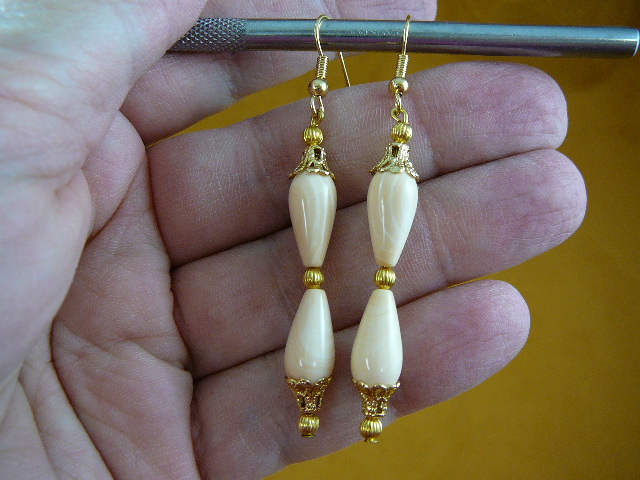
Contents: Earrings of cinnabar, polar jade, carnelian,
black onyx, snowflake obsidian, Dalmatian stone, mother of pearl, amethyst, blue
goldstone, goldstone, tiger-eye, red tiger-eye, rose quartz, garnet, turquoise, red jasper, rhodonite, red bamboo coral, rare
helmet shell
Hypoallergenic French
wires unless otherwise stated, length given is total length of beads.
| THE STORY OF CINNABAR |
|
Lacquer is a white resinous sap
from the lac tree, which is cultivated in Central and South China. When
exposed to the air, it turns black.
The lac tree is tapped at about the age of 10 years.
Incisions made in the bark and the running sap collected during the months of
June-Sept. It is strained through hempen cloth to remove physical
impurities, and after being pounded and stirred in shallow wooden tubs, to give
it uniform liquidity, it is slightly heated over a slow fire, stirred to
evaporate excess moisture and stored in airtight vessels.
Lacquer is a slightly irritant poison, but workers in the
industry become inoculated.
Cinnabar is often found near where gold is mined. The red
ore contains mercury. The ore is then pounded into powder. Heat is
used to render the poisonous mercury harmless.
Lacquer and cinnabar are mixed together to form the manmade
lacquer. The making of cinnabar requires 150 steps.
In the case of carved lacquer, the process was very
laborious. There were sometimes as many as 200-300 coats of lacquer built
up on the wooden or metal base, if the piece was to be of first quality, so as
to give depth to the carving. Each layer had to be left to dry, and a fine
large piece might take years to prepare and then years to carve. Ten years
was not considered excessive.
Sometimes layers of different colors were used, and then the
carver had to cut back from the surface to expose each color required by the
design. This was done with a V-shaped knife.
The work necessitated the utmost precision. A slip of a
twentieth of an inch, and the work of years would be ruined, for no correction
was possible.
Modern-day cinnabar beads
are made from wood, colored with cinnabar color pigment.
*Just another tidbit I learned from an East Indian family that
visited our shop - cinnabar is the pigment used for the red dot the Hindu
followers put between their eyebrows, and East Indian women also put the pigment
down the center part of their hair. Enemies have been known to substitute
the unfiltered poisonous pure cinnabar ore pigment for the safe pigment in order
to murder someone! A sinister use of a beautiful thing.
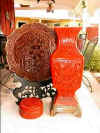
Above is what can be done with cinnabar - photo donated by our
good friend Gretchen. Not for sale.
|
CINNABAR EARRINGS
Made of cinnabar pigment and wood beads, hypoallergenic French wires
|
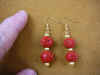
#EE-400-2 (12 mm round) $14 |
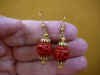
#EE-400-3 (12 mm round) $12 |
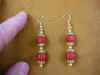
#EE400-10 (12 mm round) $10 |
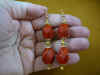
#EE-400-11 (10 mm round) $14 |
#EE-400-12 (20x14 mm turned) $16
|
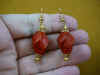
#EE-400-13 (20x14 mm turned) $10
|
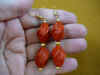
#EE-400-14 (20x14 mm turned) $12
|
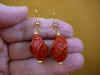
#EE-400-15 (20x14 mm turned) $10
|
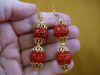
#EE-400-16 (14 mm round)
(2 available) $14
|
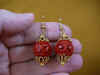
#EE-400-17 (14 mm round) $10
|
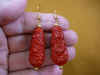
#EE-400-18 (33 x 13 mm teardrop) $12
SOLD
|
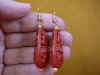
#EE-400-19 (35 x 11 mm teardrop) $12
|
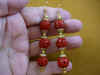
#EE-400-20 (12 mm round) $16
|
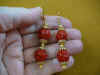
#EE-400-21 12 mm round) $14
|
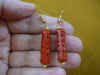
#EE-400-22 (28x8 mm cylinder) $10
|
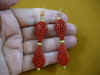
#EE-400-23 (24x14x8 mm drop diamond) $12
|
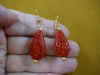
#EE-400-24 (24x14x8 mm drop diamond) $10
|
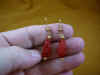
#EE-400-25 (18x9 mm small teardrop) $8
|
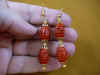
#EE-400-26 (18x9 mm oval) $12
|
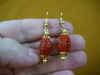
#EE-400-27 (18x10 mm oval) $10
|
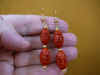
#EE-400-28 (18x10 mm oval) $12
|
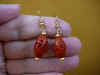
#EE-400-29 (17x10 mm oval) $10
|
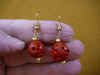
#EE-400-30 (12 mm round) $10
|
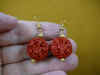
#EE-400-31 (17x8 mm round disc) $12
|
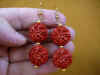
#EE-400-32 (17x8 mm round disc) $14
|
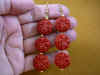
#EE-400-33 (17x8 mm round disc) $16
|
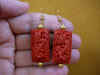
#EE-400-34 (30x17x12 mm puffy rectangle) $14
|
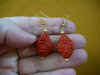
#EE-400-35 (21x15x8 mm drop diamond) $10
|
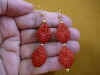
#EE-400-36 (21x15x8 mm drop diamond) $12
|
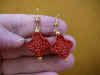
#EE-400-37 (18x18 mm four point flower) $10
|
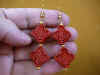
#EE-400-38 (18x18 mm four point flower) $12
|
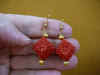
#EE-400-39 (19x19 mm puffy square) $10
|
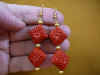
#EE-400-40 (19x19 mm puffy square) $12
SOLD
|
|
PERU PINK OPAL AND CARNELIAN
Earrings made with hypoallergenic
French wires
|

#EE402-1
6 mm carnelian, 14 mm Peru opal $14 |
_small.JPG)
#EE402-2
14 mm Peru opal, 6 mm carnelian
$14 |
_small.JPG)
#EE402-3
14 mm Peru opal, 6 mm carnelian
$26 |
|
_small.JPG)
#EE402-4
14 mm Peru opal, 6 mm carnelian
$39 |
_small.JPG)
#EE402-5
10 mm Peru opal, 6 mm carnelian
$12 |
_small.JPG)
#EE402-6
10 mm Peru opal, 6 mm carnelian
$22 |
|
_small.JPG)
#EE402-7
10 mm Peru opal, 6 mm carnelian
$32 |
_small.JPG)
#EE402-8
10x6 mm Peru opal, 6 mm carnelian
$20 |
_small.JPG)
#EE402-9
10x6 mm Peru opal, 6 mm carnelian
$18 |
|
_small.JPG)
#EE402-10
10x6 mm Peru opal, 6 mm carnelian
$30 |
_small.JPG)
#EE402-11
10x6 mm Peru opal, 6 mm carnelian
(2 prs available)
$10 |
_small.JPG)
#EE402-12
10x6 mm Peru opal, 6 mm carnelian
$18 |
| JADE
(Polar Jade, Canada)
Earrings made with hypoallergenic
French wires
|
|
ROUND
JADE BEAD EARRINGS |
|
GOLD ALLOY |
| 10
mm beads with gold spring and bead accent, individually priced |

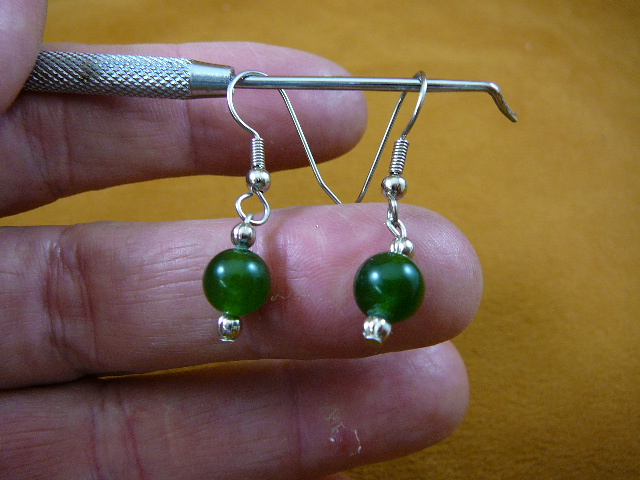
#EE403-1
Two bead, 10 mm round (1 pr avail) $26
|

#EE403-2
Two bead, 10 mm round (1 pr avail) $28
|
|
| 10
mm beads with gold bead accents, individually priced |

EE403-10
Two bead, 10 mm round
Light
green
(1 pr avail)
$14 |

#EE403-11
Three bead, 10 mm round
Light
green
(1 pr avail)
$16 |
|
| 10
mm beads with gold filigree caps and bead accents, individually priced |

#EE403-20
One bead, 10 mm
Light green
(1 pr avail)
$14 |

#EE403-21
Three bead, 10 mm
Light green
(1 pr avail)
$20 |

#EE403-22
Four bead, 10 mm
Light green
(1 pr avail)
$24 |
| 10
mm beadsgold filigree caps and bead accents, individually priced |

#EE403-30
One bead, 10 mm
(1 pr avail)
$14 |

#EE403-31
Two bead, 10 mm
(1 pr avail)
$16 |

#EE403-32
Three bead, 10 mm
(1 pr avail)
$20 |

#EE403-33
Four bead, 10 mm
(1 pr avail
$24 |
|
|
| 10
mm beads with gold bead accents, individually priced |
| |

#EE404-2 $26 SOLD |

#EE404-3 $24 SOLD |

#EE404-4 $20
$28 |

#EE404-5 $28 |

#EE404-6 $26 SOLD |
| 8
mm beads with gold bead accents , individually priced |

#EE404-9 $20 |

#EE404-10 $18 |

#EE404-11 $16 |

#EE404-12 $12 |

#EE404-12a
four bead, 8 mm
(1 pr avail)
$20 |
|
| 6
mm beads with gold bead accents, individually priced |

#EE404-13 $16 |

#EE404-14 $14 |

#EE404-15 $12
|

#EE404-16
one 6 mm bead
(1 pr avail)
$10 |

#EE404-17
four 6 mm bead
(1 pr avail)
$16 |
|
| 6
mm beads with gold filigree caps and bead accents, individually priced |

#EE404-18
One bead, 6 mm
(1 pr avail)
$10 |

#EE404-19
Three bead, 6 mm
(1 pr avail)
$14 |

#EE404-20
Four bead, 6 mm
(1 pr avail)
$18 |
|
SILVER ALLOY |
| 6
mm beads with silver bead accents, individually priced |

#EE404-30
Two bead, 6 mm round
(1 pr avail)
$12 |

#EE404-31
Three bead, 6 mm round
(1 pr
avail)
$14 |

#EE404-32
Four bead, 6 mm round
(1 pr avail)
$18 |

#EE404-33
Seven bead, 6 mm round
(1 pr avail)
$26 |
|
|
| 8
mm beads with silver bead accents, individually priced |

#EE404-40
One bead, 8 mm round
(1 pr avail)
$12 |

#EE404-41
Two bead, 8 mm round
(1 pr avail)
$14 |

#EE404-42
Three bead, 8 mm round
$18
SOLD |

#EE404-43
Four bead, 8 mm round
(1 pr avail)
$22 |
|
|
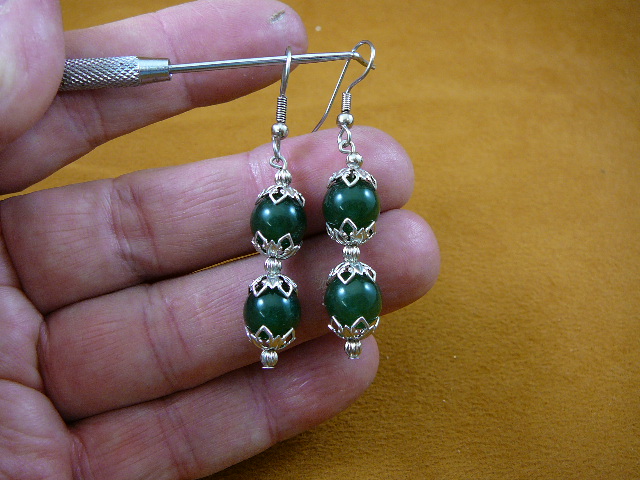
| 10
mm beads with silver filigree caps and bead accents, individually priced |

#EE404-45
One bead, 10 mm round
(1 pr avail)
$14 |

#EE404-46
Two bead, 10 mm round
(1 pr avail)
$16 |
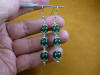
#EE404-47
Three bead, 10 mm round
(1 pr avail)
$20 |
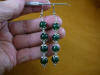
#EE404-48
Four bead, 10 mm round
(1 pr avail)
$24 |
|
|
| FACETED
JADE BEAD EARRINGS |
|
GOLD ALLOY |
| 7x4
or 8x4
mm beads, individually priced |

#EE404-51
6mm round and 7x4 mm rondell beads
$12 |
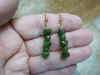
#EE404-52
6mm round and 7x4 mm rondell beads
$16 |
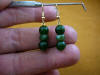
#EE404-54
8 mm round, 8x4 mm rondell
(1 pr avail)
$14 |
| 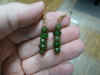
#EE404-55
6mm round and 7x4 mm rondell beads
$16 SOLD |

#EE404-56
8 mm round, 8x4 mm rondell
(1 pr avail)
$20 |
|
| 8
mm beads with gold filigree caps and bead accents, individually priced |
|

#EE404-57
One
bead, 8 mm
(1 pr avail)
$10
|

#EE404-58
Two bead, 8 mm
(1 pr avail)
$12 |

#EE404-59
Three bead, 8 mm
(1 pr avail)
$16 |

#EE404-60
One bead, 8 mm
(1 pr avail)
$10 |
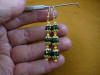
#EE404-61
Three bead, 8 mm
(1 pr avail)
$16 |
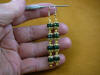
#EE404-62
Four bead, 8 mm
(1 pr avail)
$20 |
|
SILVER ALLOY |
| 8
mm beads with silver filigree caps and bead accents, individually priced |

#EE405-1
One bead, 8 mm
(2 prs avail)
$10 |

#EE405-2
Two bead, 8 mm
(1 pr avail)
$12
|

#EE405-3
Three bead, 8 mm
(1 pr avail)
$16 |

#EE405-4
Four bead, 8 mm
(1 pr avail)
$20 |
|
|
| 10
mm beads with silver filigree caps and bead accents, individually priced |

#EE405-10
One bead, 10 mm
(1 pr avail)
$12 |

#EE405-11
Two bead, 10 mm
(1 pr avail)
$14 |

#EE405-12
Three bead, 10 mm
(1 pr avail)
$20 |

#EE405-13
Four bead, 10 mm
(1 pr avail)
$24 |

#EE405-14
One bead, 10 mm
(1 pr avail)
$12 |

#EE405-15
Two bead, 10 mm
(1 pr avail)
$14 |

#EE405-16
Three bead, 10 mm
(1 pr avail)
$18 |

#EE405-17
Four bead, 10 mm
(1 pr avail)
$22 |
|
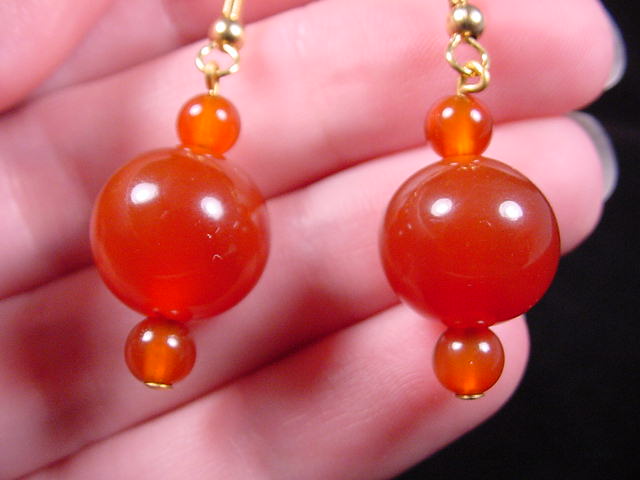
CARNELIAN Bead EARRINGS (Brazil)
On gold hypoallergenic alloy French wires, unless
otherwise marked. Earrings can be done in hypoallergenic silver alloy
also, just ask!
|
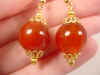
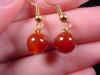
#EE-447-A
14 mm $14 SOLD |
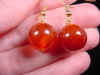
#EE-447-B
8 mm $8 |
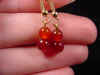
#EE-447-C
14 mm $14 SOLD |
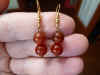
#EE-447-D
4 & 6 mm $8 |
#EE-447-E 8 mm $10
SOLD |
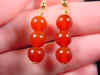
#EE-447-F 6
mm $10 |
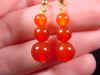
#EE-447-G
4, 5 & 6 mm $10 SOLD |
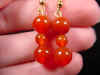
#EE-447-H
4 & 8 mm $10 SOLD |

#EE-447-I
12 mm $12 |
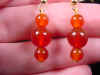
#EE-447-J
4 & 8 mm $10 SOLD |
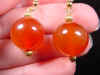
#EE-447-K
14 mm $14 |
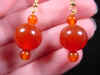
#EE-447-L 4
& 12 mm $14 |
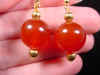
#EE-447-M
14 mm $14
SOLD |
|
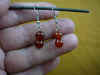
#EE-447-P
8mm, on
silver tone hypoallergenic French wires $10
|

#EE447-Q
Single bead, Three-sided, dark orange, light
orange and white; 12x14 mm x 18mm long
$14 |
 #EE447-R
Two bead; Three-sided, dark orange, light
orange and white; 12x14 mm x 18mm long
$26 |

#EE447-S
Three bead; Three-sided, dark orange, light
orange and white; 12x14 mm x 18mm long
$39 |
| BLACK
ONYX bead earrings (Brazil)
Earrings made with hypoallergenic
French wires
|
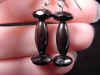
#EE471-A $12
|
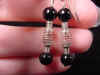
#EE471-B $10
|
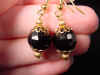
#EE471-E $10
|
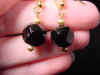
#EE471-F $10
|
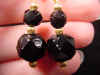
#EE471-G $12
|
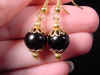
#EE471-H $10 SOLD
|
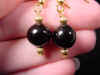
#EE471-I $10
|
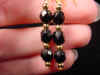
#EE471-J $12
|
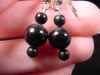
#EE471-K $12
|
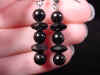
#EE471-L $12
|
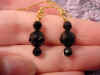
#EE-471-P
4 & 8 mm faceted $8
|
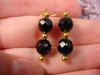
#EE-471-Q 8
mm faceted $10 |
| SNOWFLAKE
OBSIDIAN (also known as Flowering Obsidian; Utah) BEAD EARRINGS
Earrings made with hypoallergenic
French wires
$10/pr
|
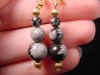
#EE472-A SOLD
|
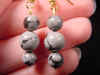
#EE472-B SOLD
|
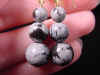
#EE472-D SOLD
|
| DALMATION
STONE bead earrings (California)
Earrings made with hypoallergenic
French wires
|
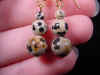
#EE472-E $8 SOLD
|
MOTHER OF PEARL EARRINGS (South Seas)
Earrings made with hypoallergenic
French wires
|
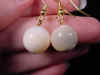
#EE473-A $8
|
|
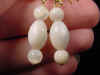
#EE473-C $10
|
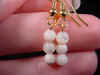
#EE473-D $8
|
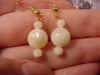
#EE473-E $8
|
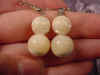
#EE-473-F (all 10 mm) (2
prs available) $10 |
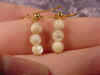
#EE-473-G $8 SOLD |
|
|
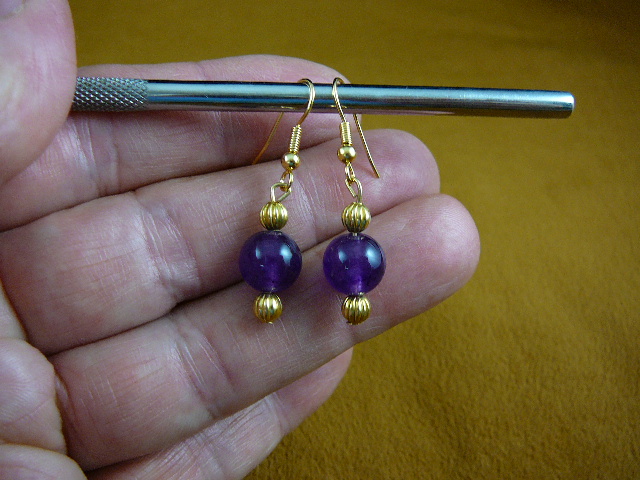
AMETHYST EARRINGS
(Brazil)
Earrings made with hypoallergenic
French wires
|
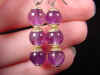
#EE474-A $14
|
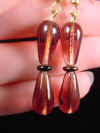
#EE474-B $20
|
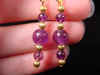
#EE474-C (2 prs available)
$12
|
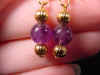
#EE474-D (2 prs available)
$10
|
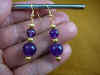
#EE474-E (12 & 8 mm) (2 prs available)
$16 |
|
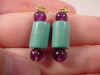
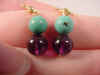
#EE474-G with turquoise $16 |
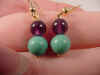
#EE474-H with turquoise $14 |
#EE474-I with turquoise $14
SOLD |
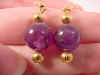
#EE474-J (12 mm)
$16 |
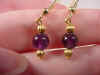
#EE474-K $10 |
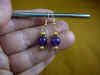
#EE474-L (10 mm)
(2
prs available)
$14 |
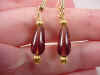
#EE474-M $12 |
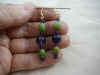
#EE474-1 with turquoise $26 |
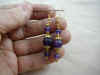
#EE474-2
(2
prs available)
$14 |
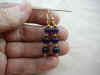
#EE474-3
(2
prs available)
$16 |
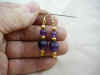
#EE474-4
(2
prs available)
$16 |
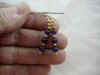
#EE474-5
(2
prs available)
$14 |
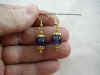
#EE474-6 (2
prs available) $14 |
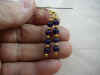
#EE474-7
(2
prs available)
$18 |
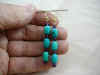
#EE474-8 $22 |
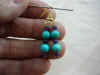
#EE474-9 $18 |
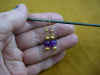
#EE474-10 Amethyst
(8 mm) with gold brass accent beads on goldtone hypoallergenic French
wires $10
|
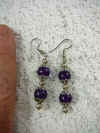
#EE474-11 Amethyst
(10 mm) with silvertone filigree & accent beads, and silvertone
hypoallergenic French wires (2 prs available) $16 |
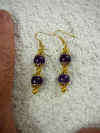
#EE474-12 Amethyst
(10 mm) with gold brass filigree & accent beads, on goldtone
hypoallergenic French wires
(2
prs available) $16 |
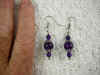
#EE474-13 Amethyst
(12 & 6 mm) with silvertone filigree & accent beads, and
silvertone hypoallergenic French wires $14 |
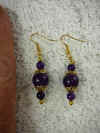
#EE474-14 Amethyst
(12 & 6 mm) with gold brass filigree & accent beads, on goldtone
hypoallergenic French wires
$14 |
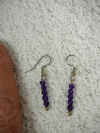
#EE474-15 Amethyst
(4 mm) on silvertone hypoallergenic French wires $10 |
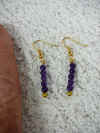
#EE474-16 Amethyst
(4 mm) on goldtone hypoallergenic French wires $10 |
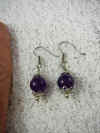
#EE474-17 Amethyst (12 mm) with
silvertone filigree & beads, and silvertone hypoallergenic French
wires $12 |
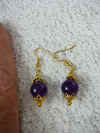
#EE474-18 Amethyst
(12 mm) with gold brass filigree & accent beads, on goldtone
hypoallergenic French wires
$12 |
|
|
| NAVY
BLUE GOLDSTONE bead earrings
(glass with copper inclusions that
sparkle, it has a gemstone status though manmade)
Earrings made with hypoallergenic
French wires |
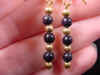
#EE475-A $12
|
| GOLDSTONE
bead earrings
(glass with copper, it has a gemstone
status though manmade)
Earrings made with hypoallergenic
French wires |
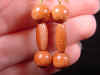
#EE476-A $14
|
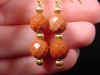
#EE476-B $14
|
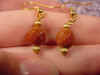
#EE476-C 8 mm $10 SOLD |
Golden
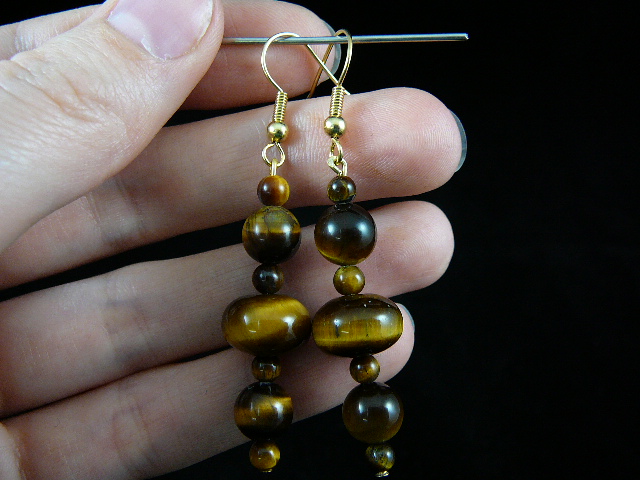
Tiger Eye bead earrings (Africa)
Earrings made with hypoallergenic
French wires
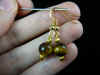
#EE-478-1 $8 |
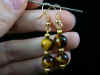
#EE-478-2 $14 |
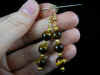
#EE-478-3 $18 SOLD |
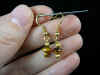
#EE-478-4 $8 |
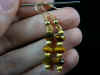
#EE-478-5 $14 |
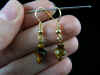
#EE-478-7 $10 |
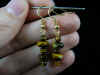
#EE-478-8 (4 & 8 mm) $14 |
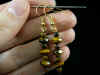
#EE-478-9 $16 |
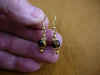
#EE-478-10 (8 mm) $10 SOLD |
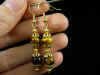
#EE-478-11 (8 mm) $16 |
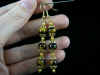
#EE-478-12 $20 |
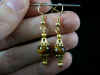
#EE-478-13 $10 |
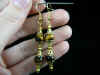
#EE-478-14 $16 |
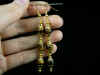
#EE-478-15 $20 |
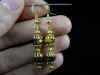
#EE-478-16 $14 |
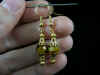
#EE-478-17 $10 |
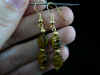
#EE-478-21 $14 |
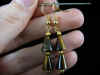
#EE-478-22 $14 |
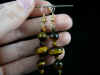
#EE-478-24 $20 |
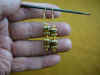
#EE-478-25 Golden
Tigereye (8 mm) with gold brass filigree & accent beads, on goldtone
hypoallergenic French wires
(2 prs available) $14
|
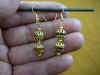
#EE-478-26 Golden tigereye
round (8 mm) with gold brass filigree & accent beads, on goldtone
hypoallergenic French wires $14 |
|
| RED
TIGER EYE bead earrings
(red from heating golden tigereye)
(Africa)
Earrings made with hypoallergenic
French wires |
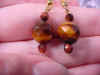 #EE479-A $10
|
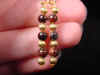
#EE479-B $10
|
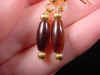
#EE479-D $10
|
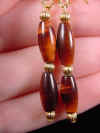
#EE479-E (5 x 12 mm)
$16
|
#EE479-F (6 & 8 mm)
(2 prs available)
$14
|
#EE-479-1 $10
SOLD |
#EE-479-2 $16
|
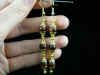
#EE-479-3 $20
|
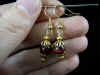
#EE-479-4 $10
|
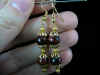
#EE-479-5 $16
|
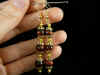
#EE-479-6 $20
|
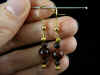
#EE-479-7 $10
|
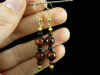
#EE-479-8 $14
|
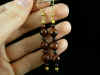
#EE-479-9 $18
|
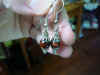
#EE-479-10 (8 mm)
(2 prs available)
$10
|

#EE-479-11 8 mm two bead, gold tone beads and wires $14 |
|
|
| ROSE
QUARTZ & LAPIS
bead earrings (Brazil, Afghanistan)
Earrings made with hypoallergenic
French wires
|
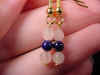
#EE480-A $8
|
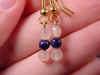
#EE480-B $8
|
|
| GARNET
bead earrings (India)
Earrings made with hypoallergenic
French wires
|
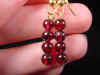
#EE481-A $10 SOLD
|
|
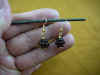
#EE481-C Garnet
"raspberry" earrings (11 mm) on goldtone hypoallergenic
French wires $8 SOLD
|
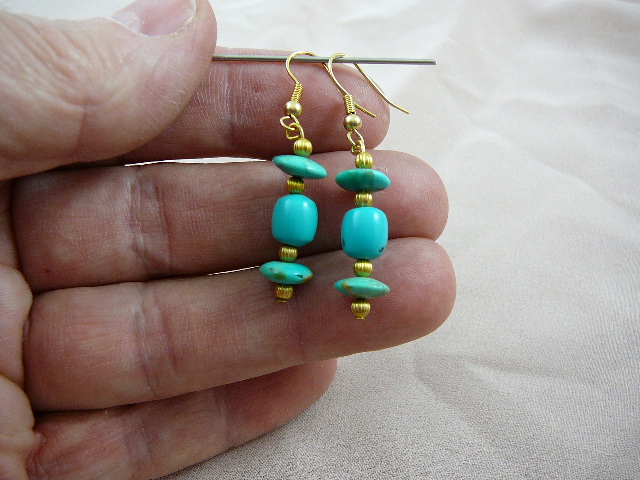
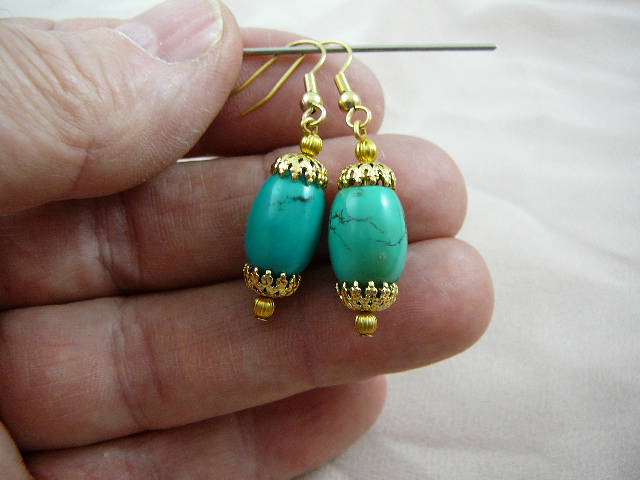
| TURQUOISE
bead earrings
Earrings made with hypoallergenic
French wires
|
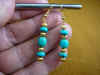
#EE483-A
$16 |
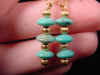
#EE483-B $16
|
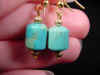
#EE483-G $12
|
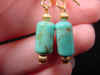
#EE483-H $14
|
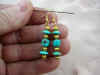
#EE483-1
$16
|
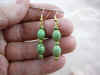
#EE483-2
$18
|
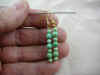
#EE483-3
$20
|
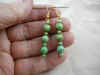
#EE483-4
$22
|
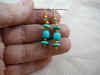
#EE483-5
$16
|
| |
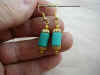
#EE483-7
$16
|
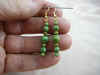
#EE483-8
$20
|
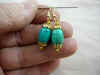
#EE483-9
$16 SOLD |
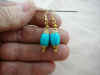
#EE483-10
$16
|
|
| RED
JASPER bead earrings (Utah)
Earrings made with hypoallergenic
French wires
|
| |
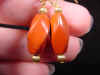
#EE484-B $12
|
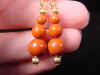
#EE484-C $10 SOLD
|
| RHODONITE
bead earrings
Earrings made with hypoallergenic
French wires
|
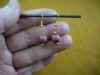 #EE486-1
Rhodonite (10 mm) $10
|
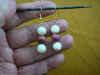
#EE486-2
Rhodonite & Mother of Pearl (10 mm)
$14 |
RED
BAMBOO CORAL bead earrings
(Dogbone shaped)
10x6 mm
earrings with gold brass spacer beads, on gold color hypoallergenic
French wiresIndividually
priced
|

#EE487-1 Single bead $12 SOLD |

#EE487-2 Double
bead $16 SOLD
|
|
Click To Go To: Page 1 Page
2 Page 3 Page
5 Page 6 Page 7
Page 8
TABLE OF CONTENTS ON PAGE 1
|





.JPG)
.JPG)
.JPG)
.JPG)
.JPG)
.JPG)
.JPG)
.JPG)
.JPG)
.JPG)
.JPG)
.JPG)
.JPG)
.JPG)
.JPG)
.JPG)
.JPG)
.JPG)
.JPG)
.JPG)
.JPG)
.JPG)
.JPG)
.JPG)
.JPG)
.JPG)
.JPG)
.JPG)
.JPG)

.JPG)
.JPG)
.JPG)
.JPG)
.JPG)
.JPG)
.JPG)
.JPG)
.JPG)
.JPG)
.JPG)