|
ANIMAL
ITEMS:
Alaska Carvings & Travels
Alaska
Artifacts
Animal Carvings-Other
Australian
Art
Bronze Works
Bug & Crab Specimens
Exotic Leather Accessories
Gator Items
Gem Animals
Narwhal Tusks
Parasite
Wood Carvings
Safari Animal
Mounts
Sawfish bills
Shark Items
Shark Jaws
Tagua Nut Carvings
Teak Carvings
JEWELRY
ITEMS
Amber Items
Brooches
Cameos
Czech
brooches
Dichroic Glass
Jewelry
Earrings
Eyeglass Holders
Fairy Stone Crosses
Hatpins
Key chains
Maori Fish Hook Necklaces
Music
Jewelry
Necklaces
Opals &, Ivory Items
Pendants
Rings
Titanium
Jewelry
Vintage
Jewelry
FOSSIL ITEMS
Cave Bear Fossils
Dinosaur
Fossils
Mammoth
Fossils
Fossils-Others
Poop Fossils
Poop-Moose & Deer
Fossil Shark Teeth
CLOSEOUT
SALES:
Marbles
Closeout
Sales-Other
ROCK ITEMS
Meteorites
Rocks & Mineral-Other
OTHER COOL
STUFF FOR SALE
Alien Gifts
Boxes boxes
Gemstone
skulls
Indian
Artifacts
Medallions & Coins
Swords,
Daggers, Knives
The Weirdest
Zoo
books & Books
HUMAN
INTEREST
About Us
Cool
Customers
Jesse Nusbaum, Artist
Latest
Travels
2013 Travel America
Newsletter
Support Our Troops
Tina Memorial
Zany & Fun
FOLLOW us on TWITTER for
special DISCOUNTS



| |
You Are On: Meteorites Page 2
Click To Go To:
Meteorites Page 1 Page
3
TABLE OF CONTENTS ON PAGE 1
Contents: Meteorites from Russia and Argentina
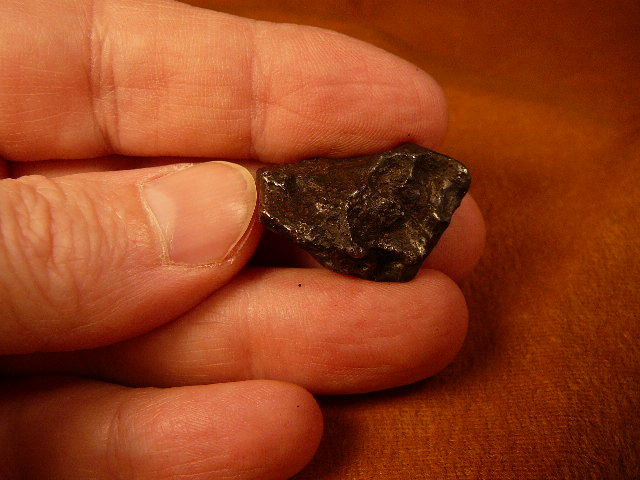
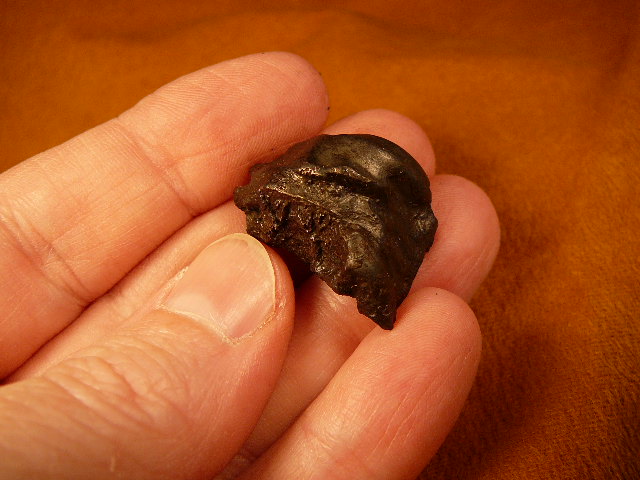
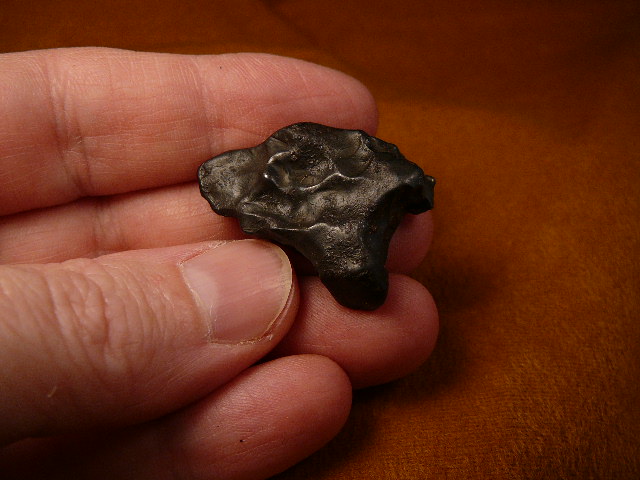
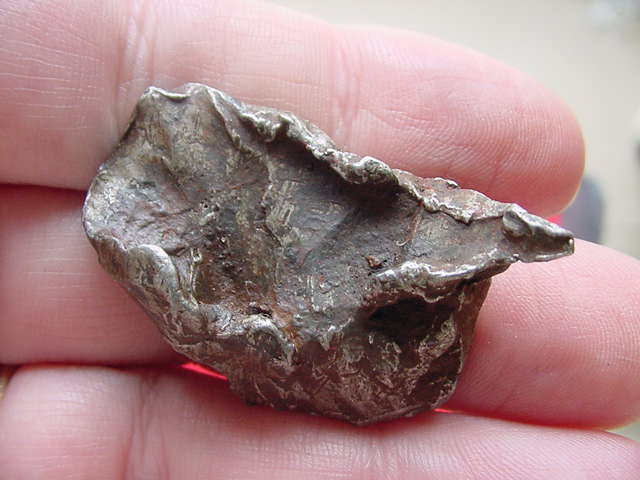
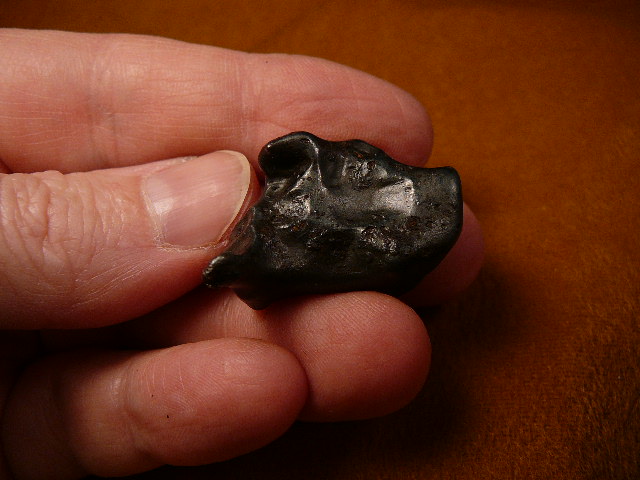
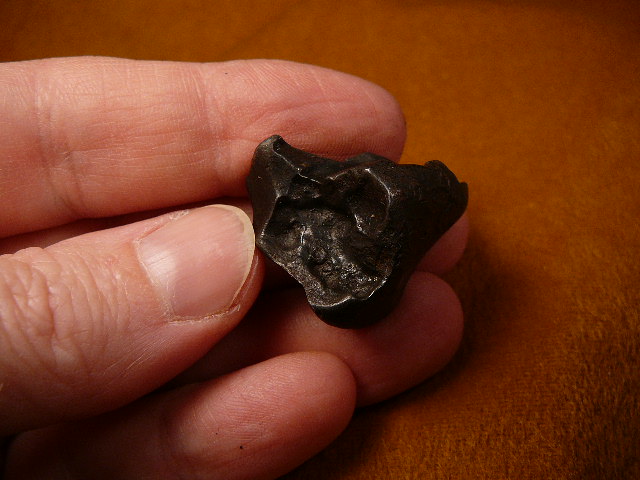
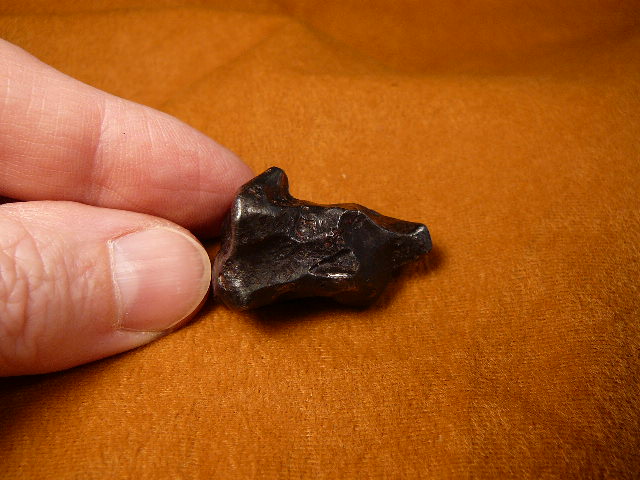
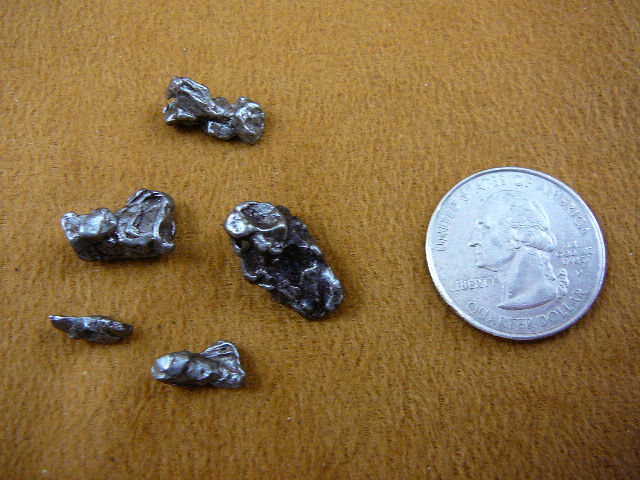
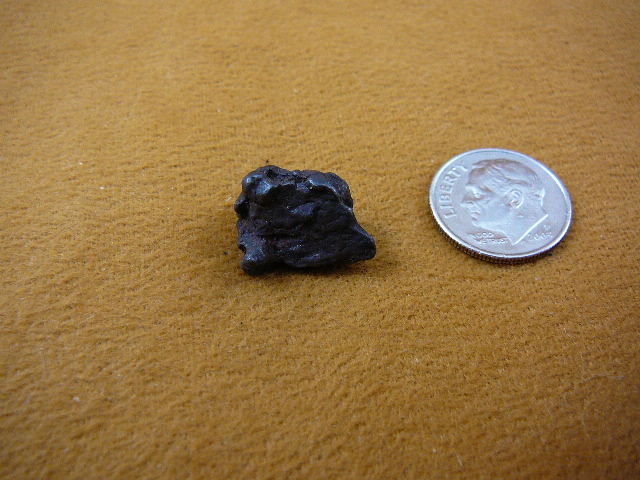
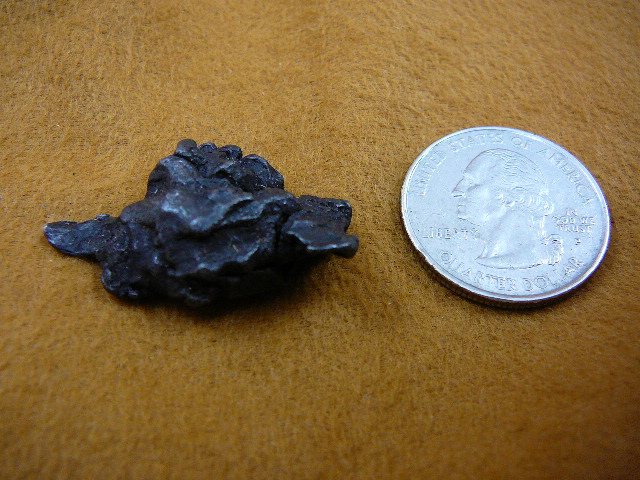
Sikhote Alin Meteorites from Russia
This group of meteorites fell Feb. 12, 1947 at 31,000 mph and
was one of the most spectacular falls in recorded history - the fireball it
created was brighter than the sun. At an altitude of 3.5 miles, it broke
up, creating a spectacular strewn field a half a mile long. The fragments were
created so violently, they're called "meteorite shrapnel".
One
crater pit was 85’ across x 20’ deep, the total meteorite weight was just
under 1000 tons.
The largest meteorite fragment is 1745 kilograms and is
on display in Moscow.
Location: Sikhote-Alin Mountains, Maritime Province,
Russia, about 270 miles northeast of Vladivostok. Latitude 46 degrees 9.6
minutes North, Longitude 134 degrees 39.2 minutes West.
Structural class: Coarsest
octahedrite, Ogg,
Widmanstatten bandwidth 9 ±5 mm
Chemical class: Group IIB, 5.9% Ni, 0.42% Co,
0.46% P, about 0.28% S, 52 ppm Ga, 161 ppm Ge, 0.03 ppm Ir.
Authentication card, and map with more information is
included with each purchase.
|
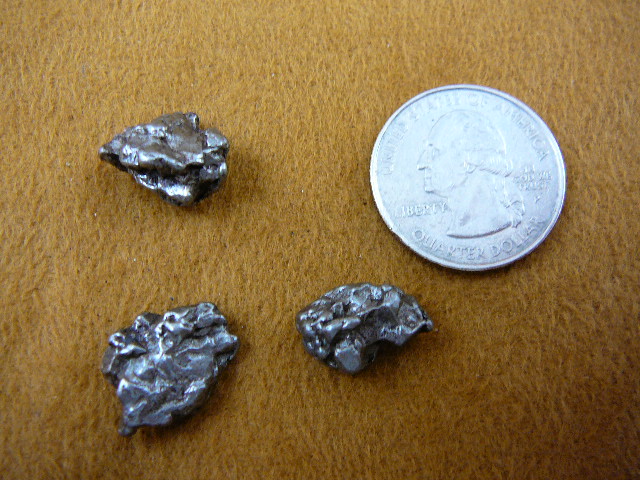
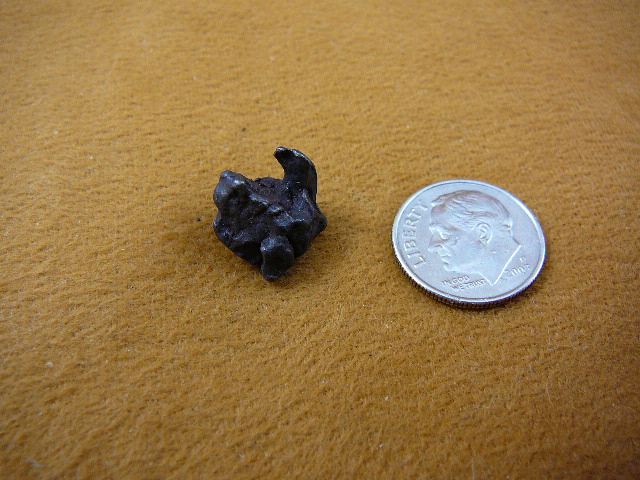
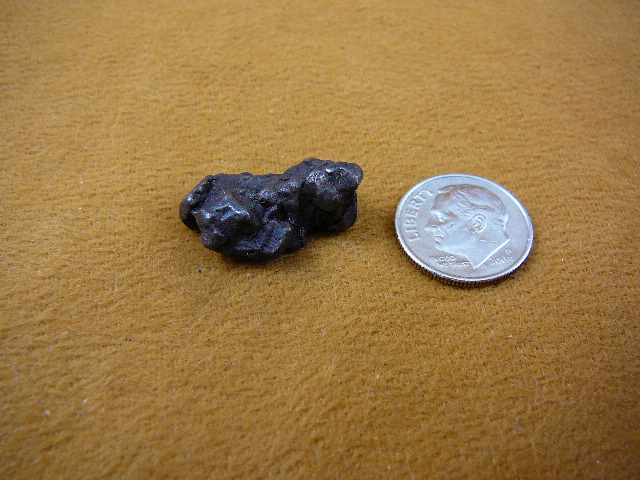
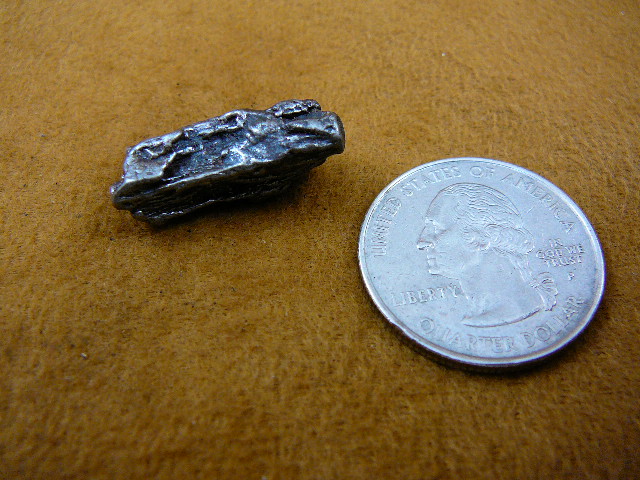
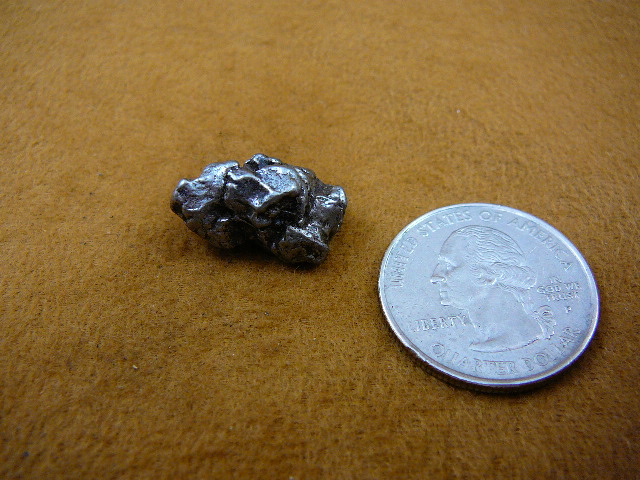
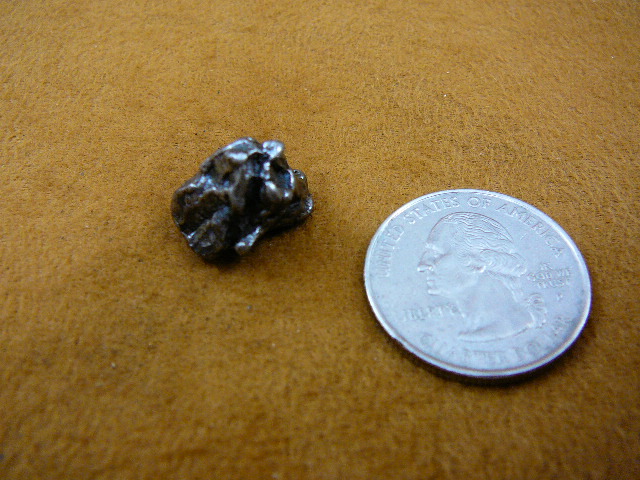
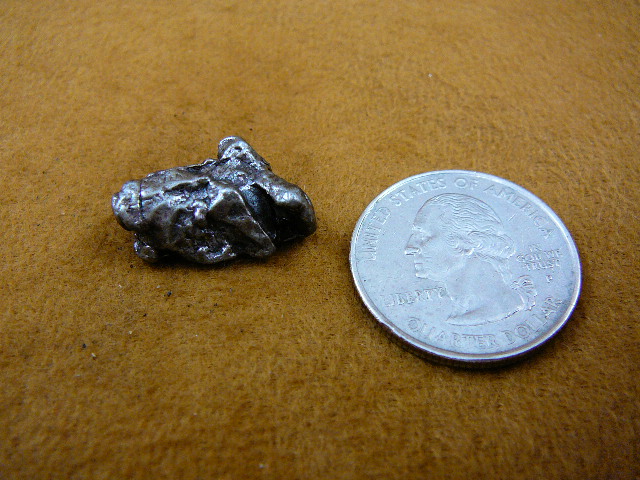
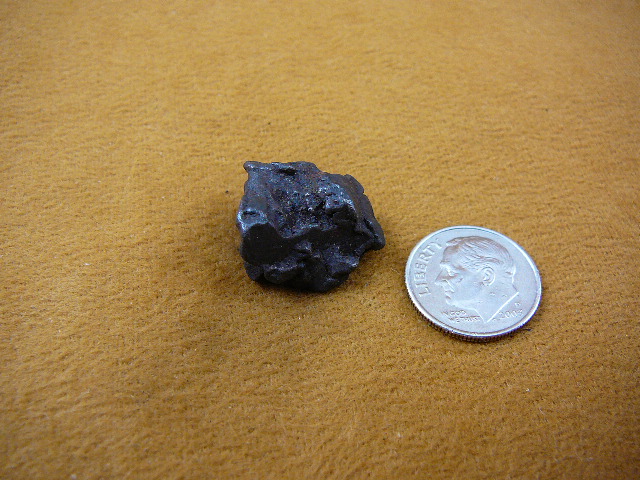
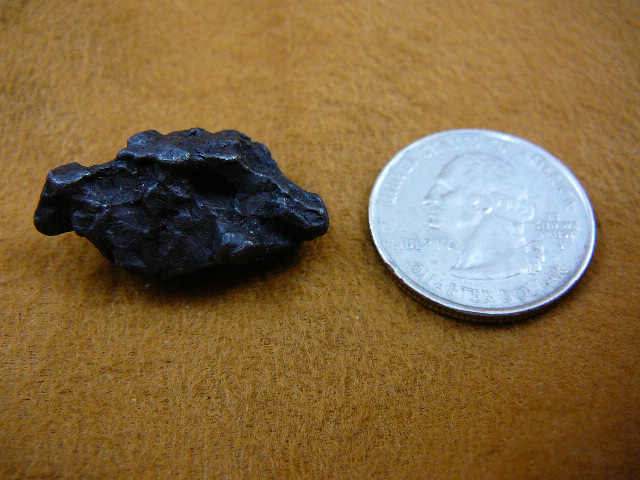
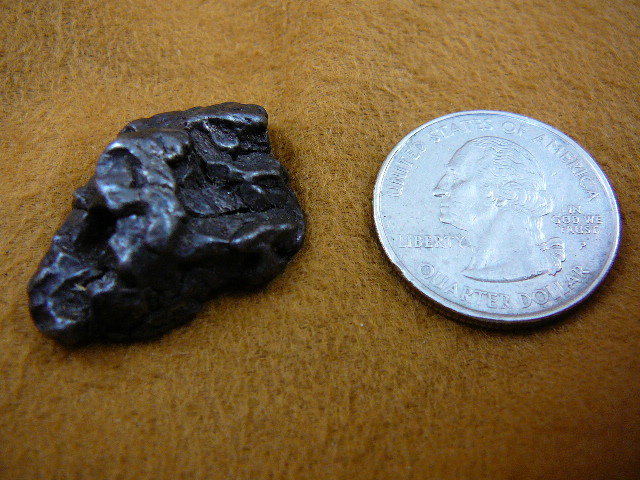
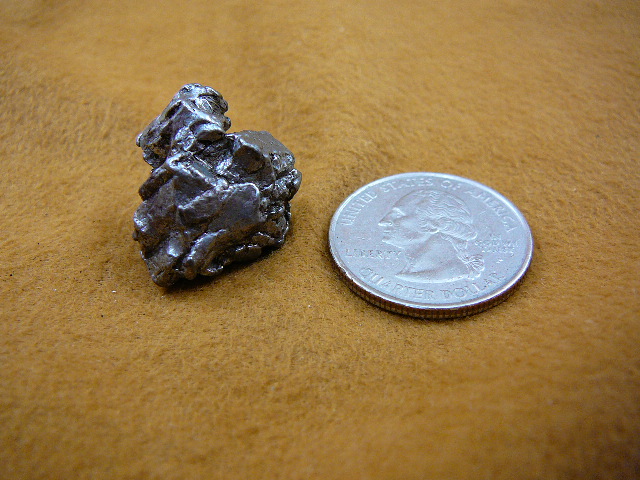
| SIKHOTE
ALIN METEORITE (shrapnel), RUSSIA |
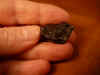
#X-205
1-1/16 X 3/4"; 13 grams
$34 |
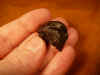
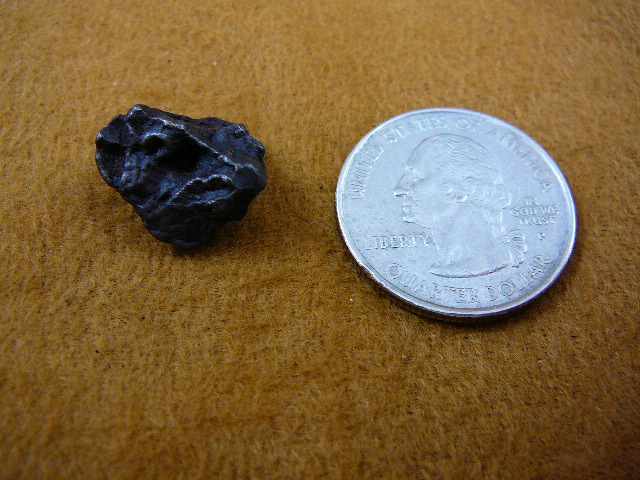
#X-206
1-1/8 X 7/8"; 19 grams
$48 |
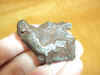
#X-208
1-7/8 x 1-1/4"; 51 grams
$130 |
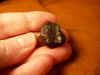
#X-209
7/8 X 3/4"; 20 grams
$52 |
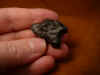
#X-211
1-5/16 X 7/8"; 22 grams
$58 |
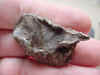
#X-212
Sikhote Alin meteorite shrapnel, 26.3 grams.
$65 |
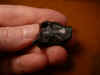
#X-213
1-1/4 X 3/4"; 25 grams
$64 |
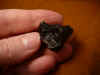
#X-214
1-1/8 X 15/16"; 26 grams
$68 |
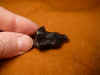
#X-215
1-1/8 X 5/8"; 30 grams
$75 |
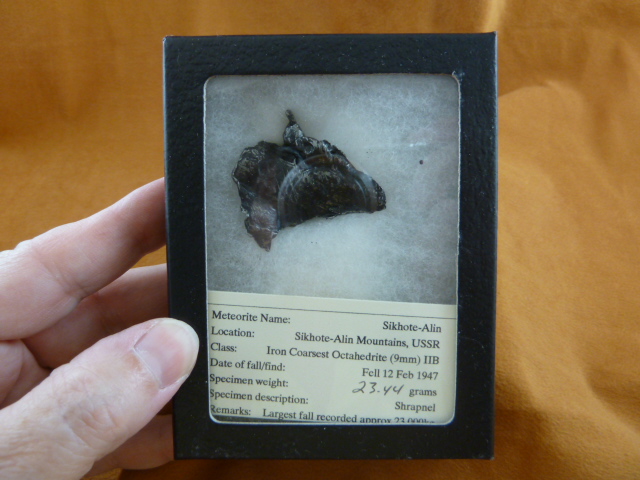
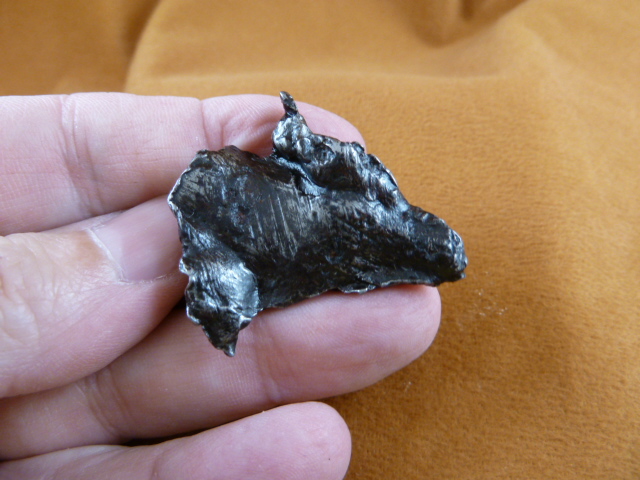
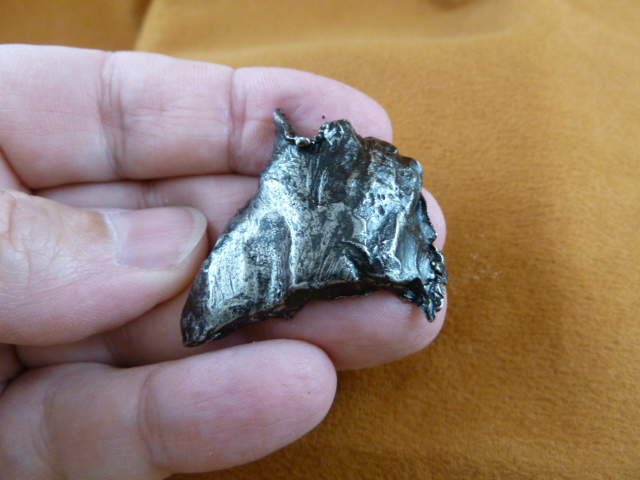
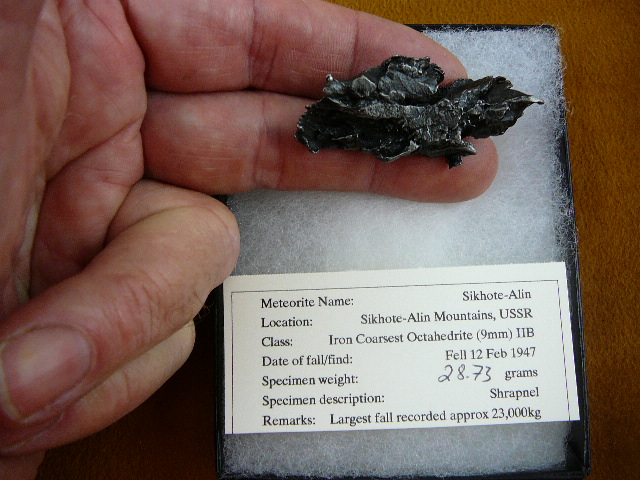
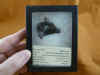
| SIKHOTE
ALIN METEORITE (shrapnel)
in Riker box
Box is 4-3/8 x3-3/8 x 7/8" thick
with glass window.
Individually priced. |
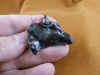
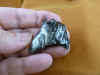
#X218-2
23.44 grams
$60 |
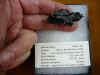
#X-218-4
28.73 grams
$75 |
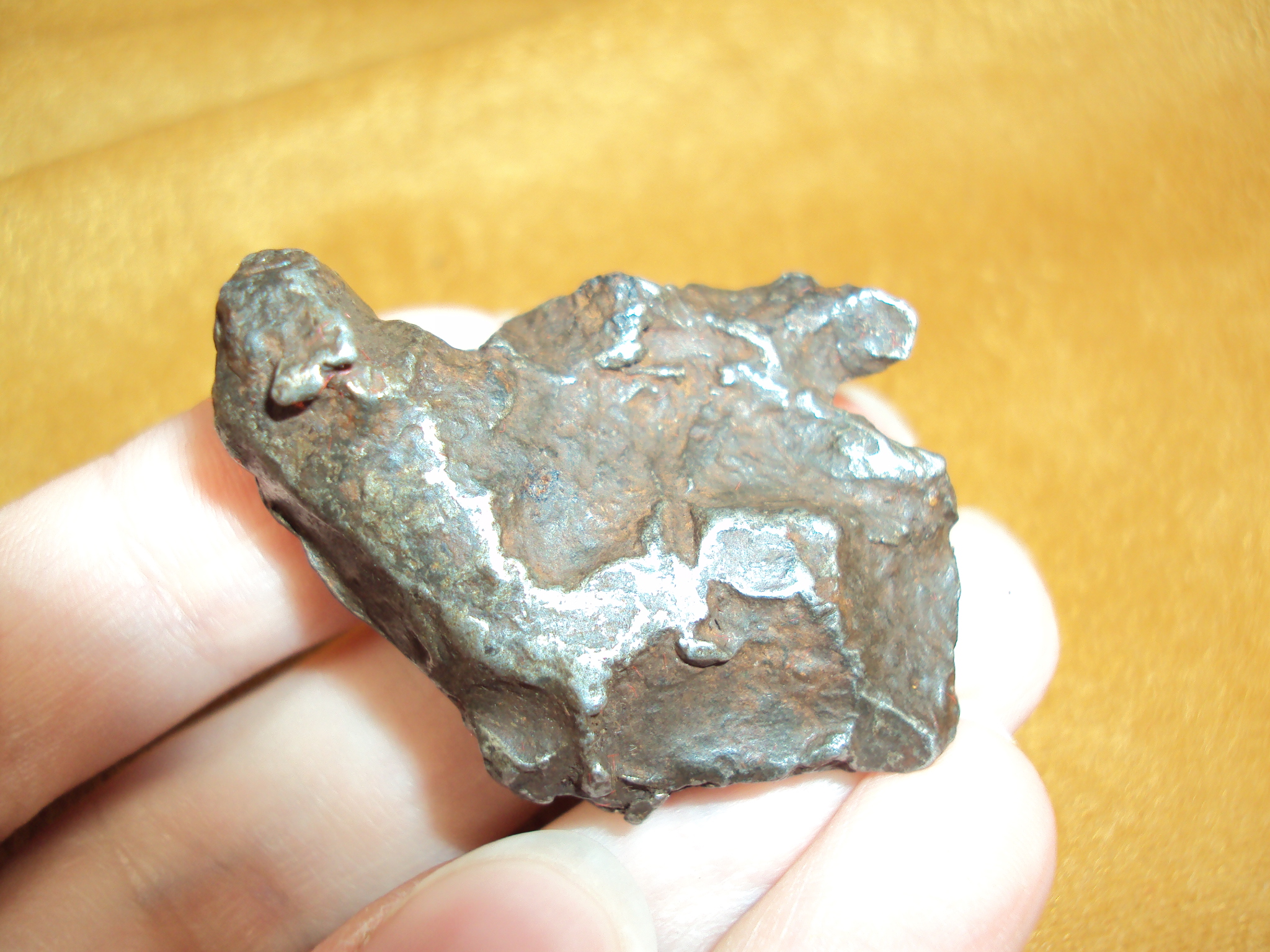
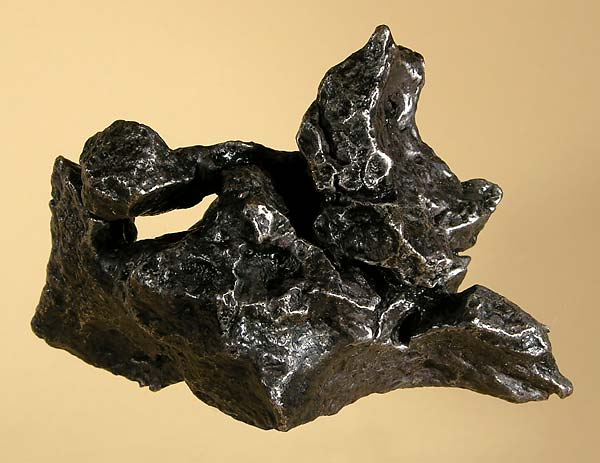
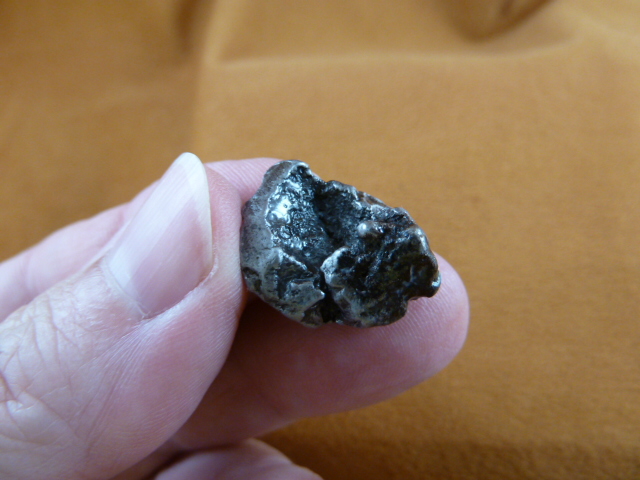
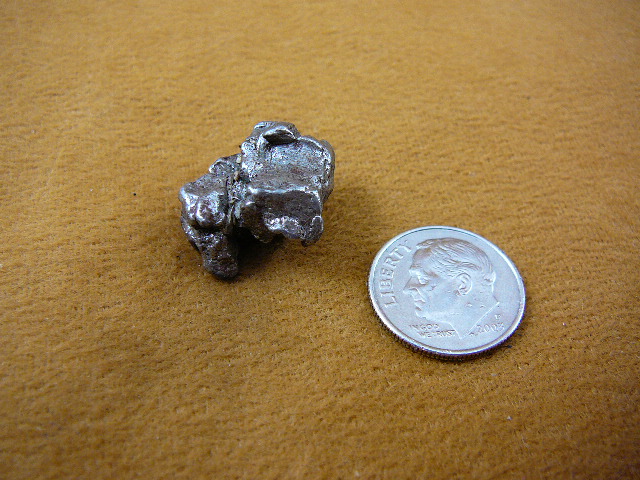
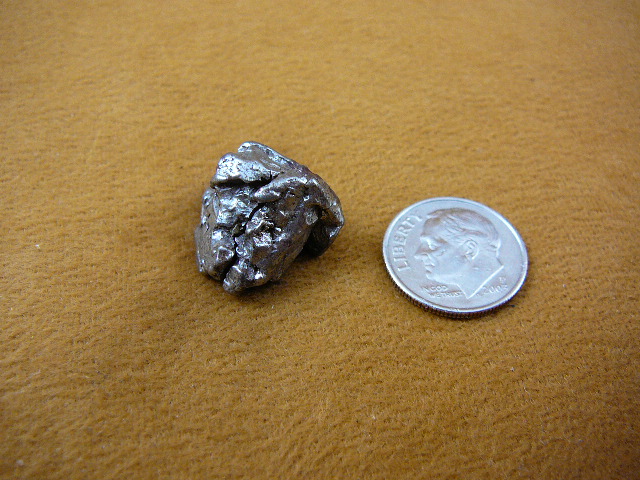
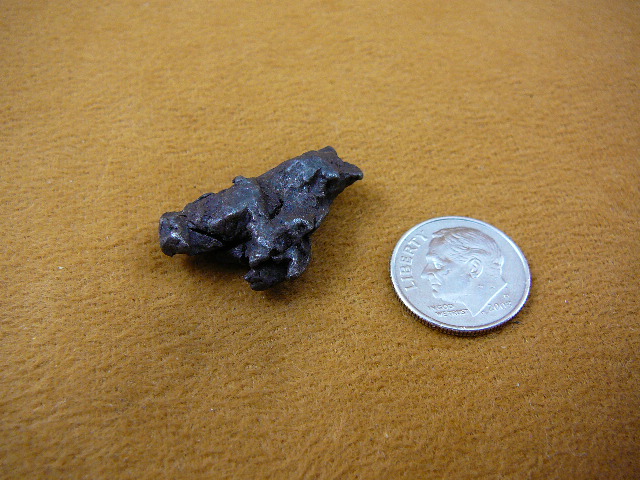
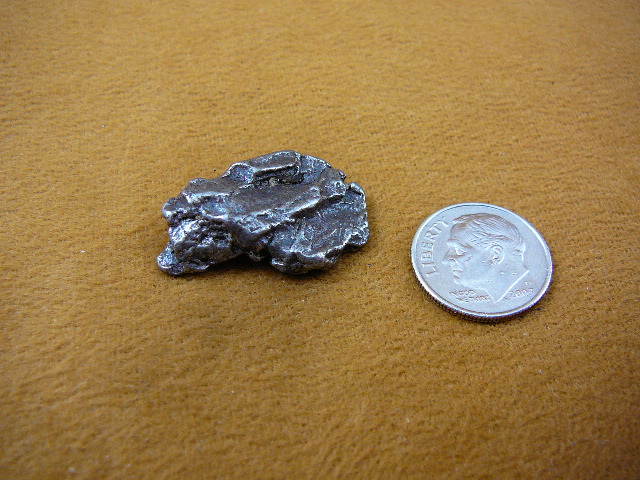
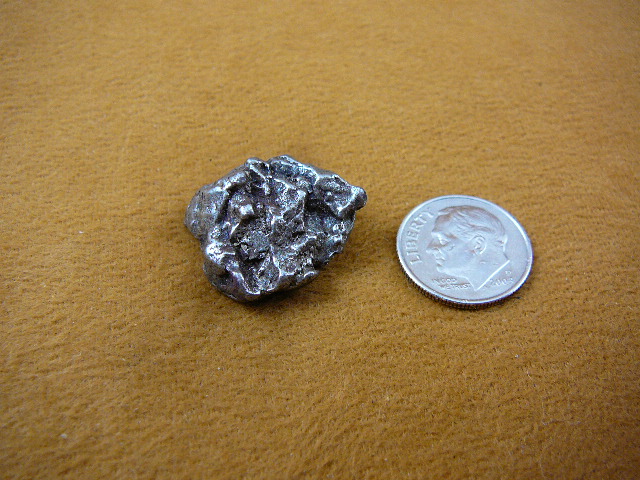
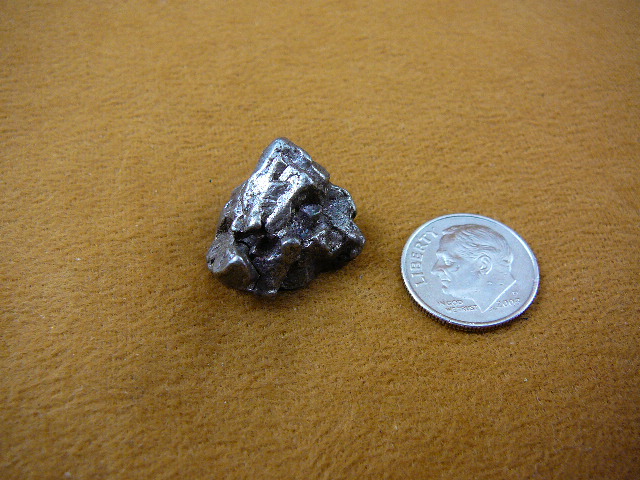
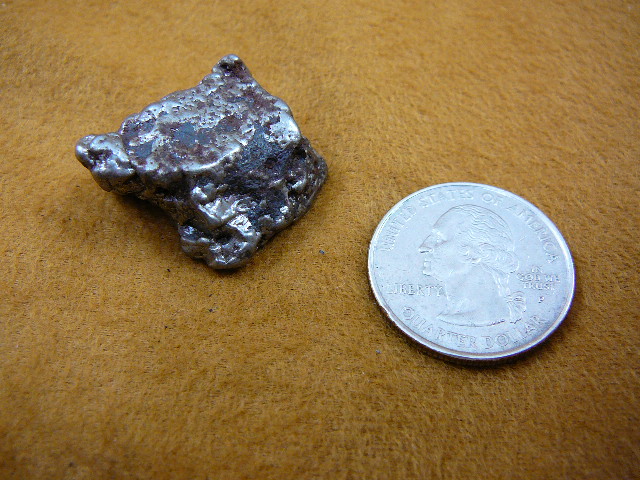
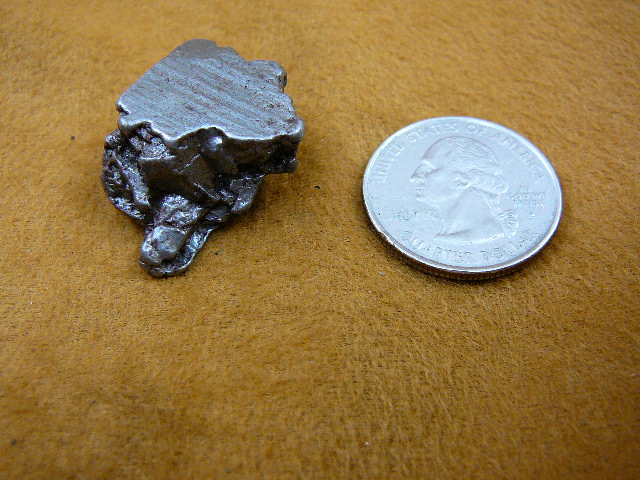
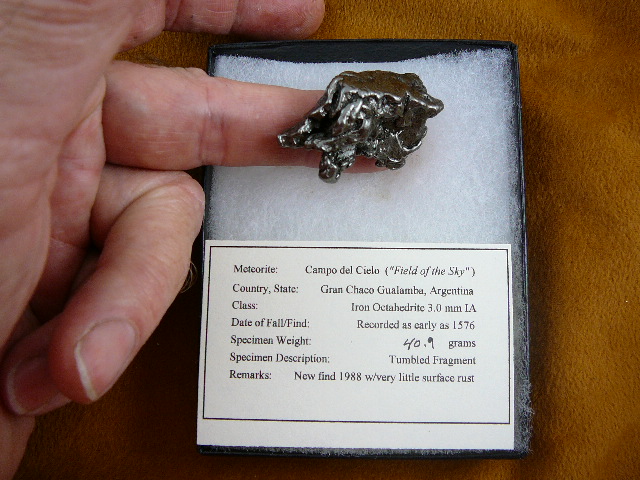
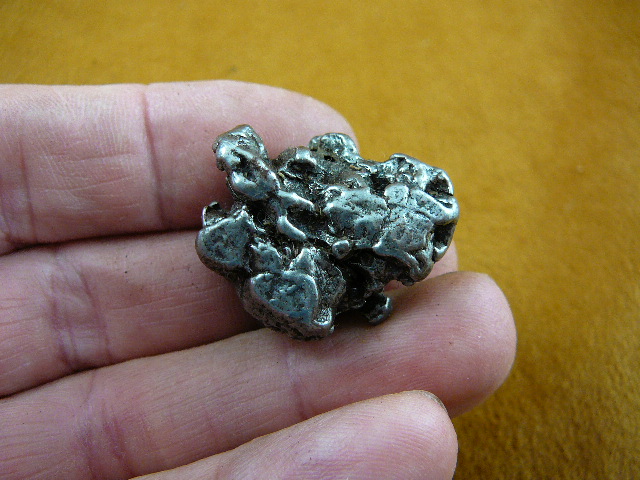
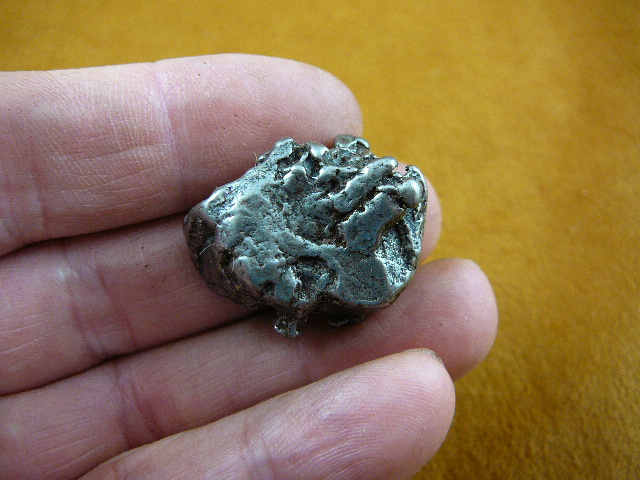
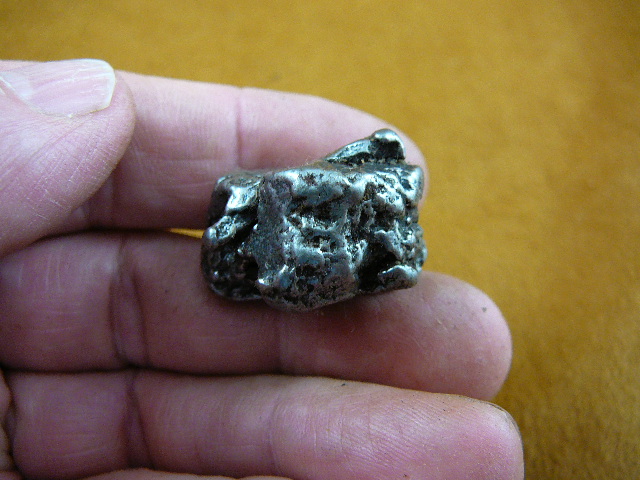
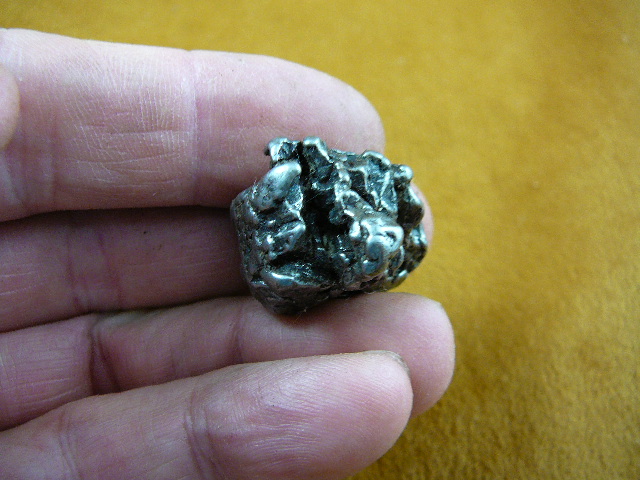
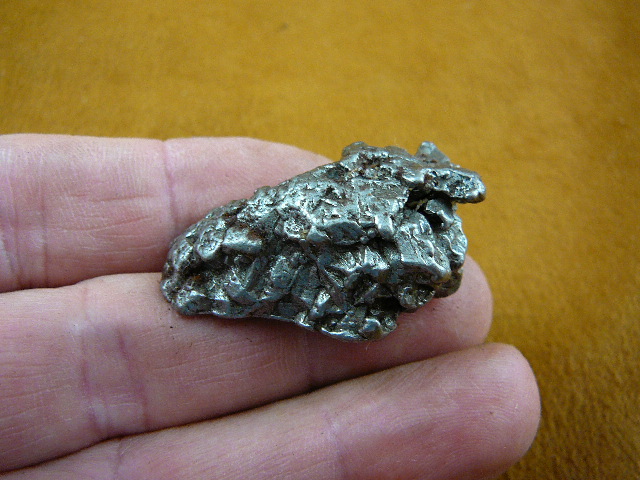
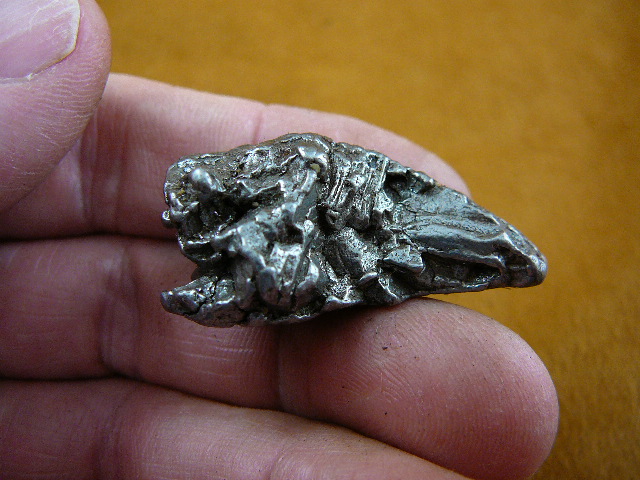
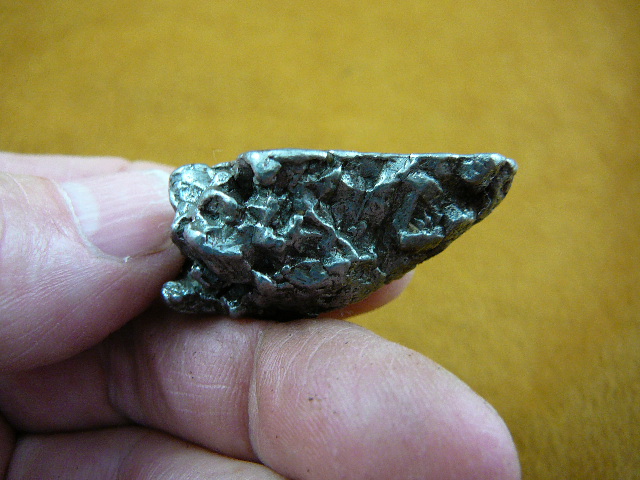
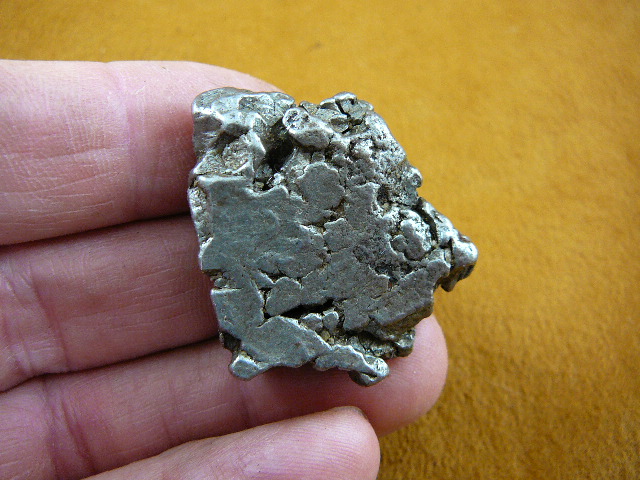
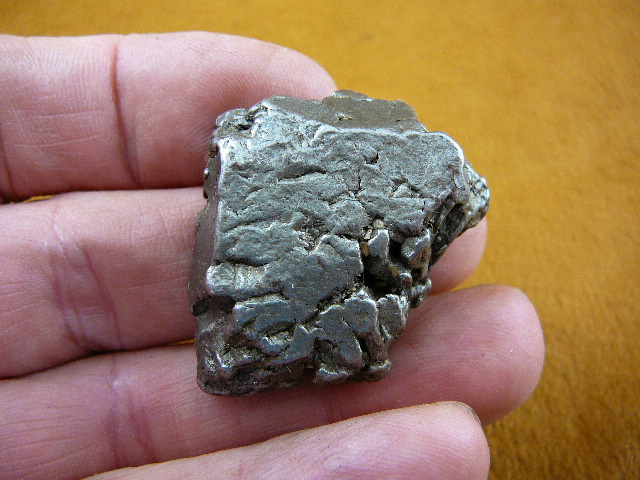
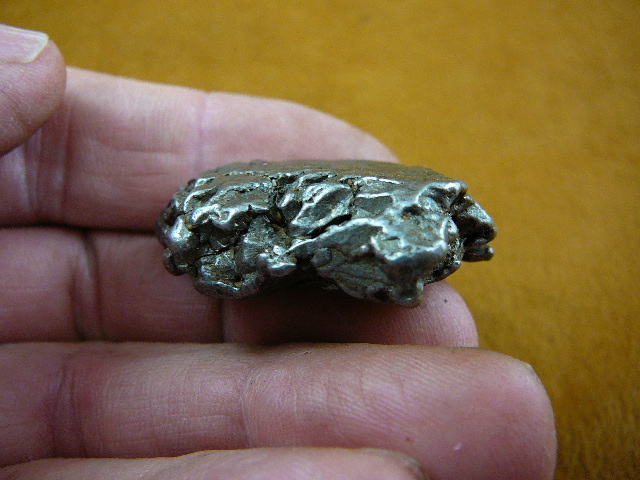
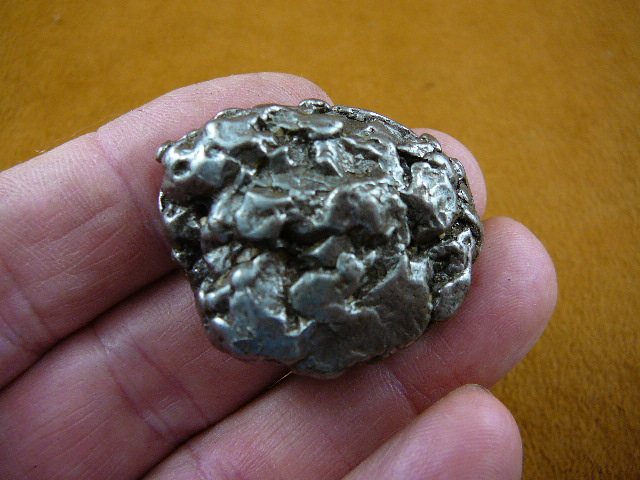
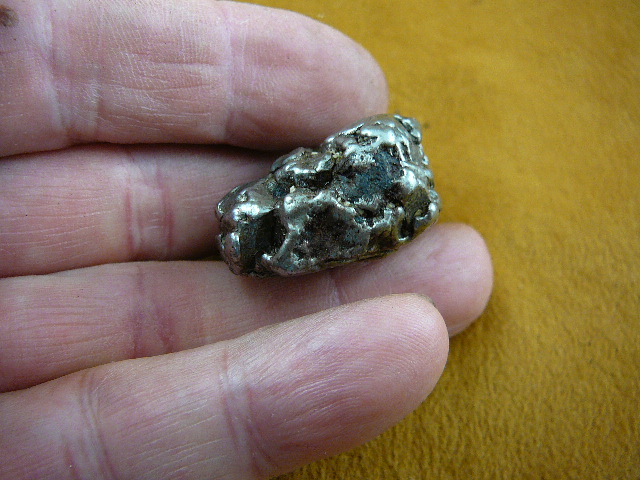
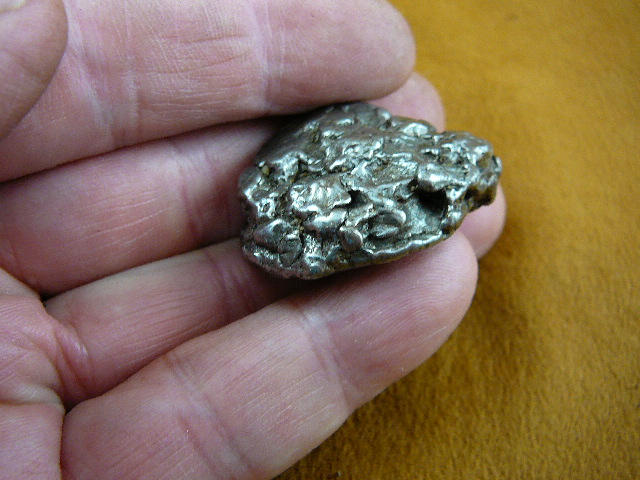
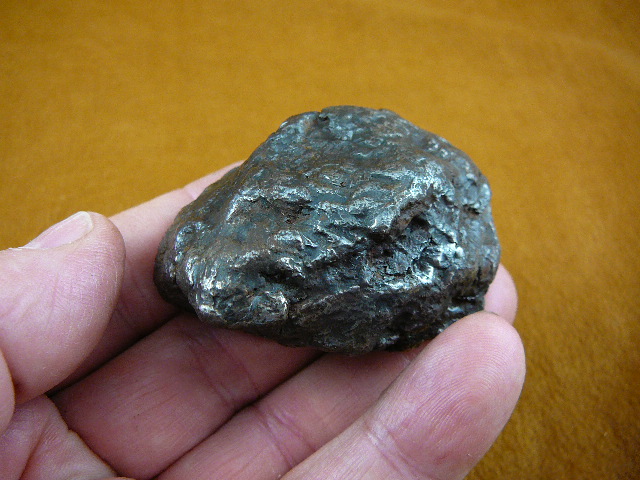
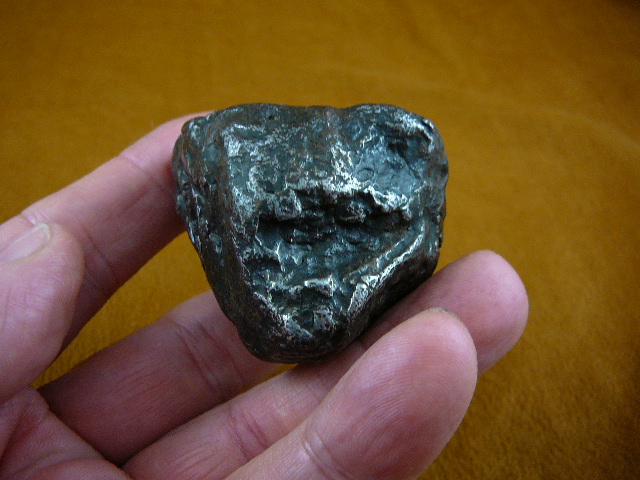
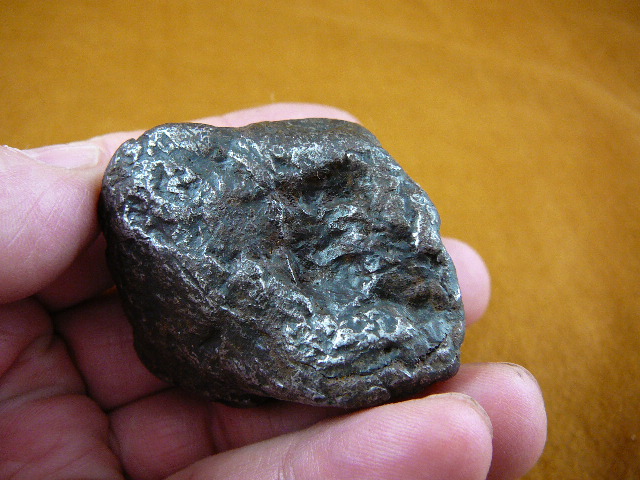
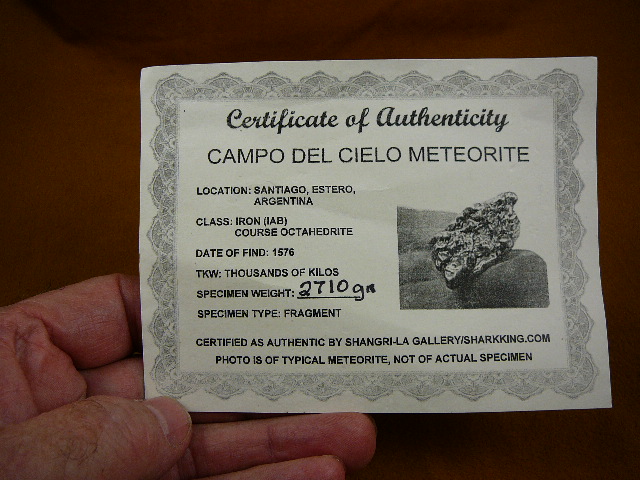
| Campo del Cielo
Meteorite
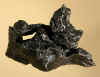
Meteorite strewn site (name means "On the Field of Heaven",
a fitting name by the Indians, named for the meteorite fall) was
first discovered by the Spanish in 1576 in the Gran Chaco Gualamba region
of
Argentina, about 500 miles N-NE of Buenos Aires.
The area is an open
brush-covered plain with little water and no other rocks.
The largest
crater is 78x65 meters (meteorite measures 38 tons) ..a total of 12 craters in
the area were caused by the meteorites, which were intact in each of the
craters. The fall is dated as between 3950 and 5800 years ago,
consistent with oral Indian legends.
These meteorites are a
polycrystalline coarse octahedrite of austenite crystals that broke up upon
entering the atmosphere.
Composition is: 6.68% Nickel, 0.43% Cobalt,
0.25% Phosphorus, 87 ppm Gallium, 407 ppm Germanium, 3.6 ppm Iridium (some of
which are extremely rare on Earth), the majority element is iron. |
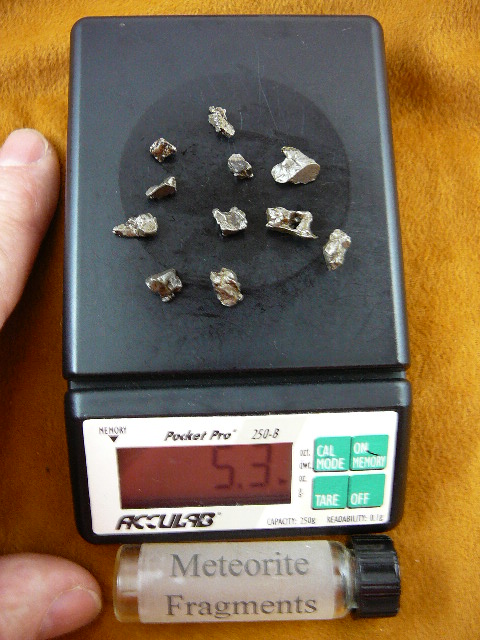
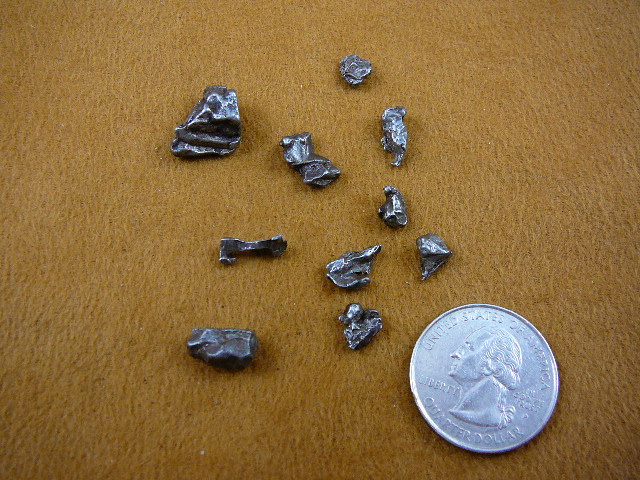
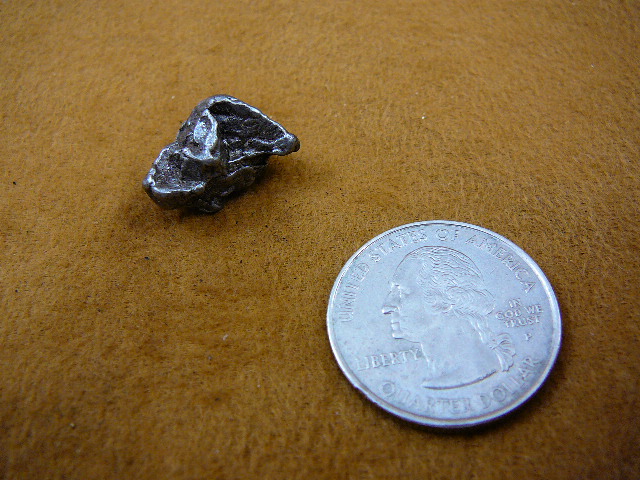
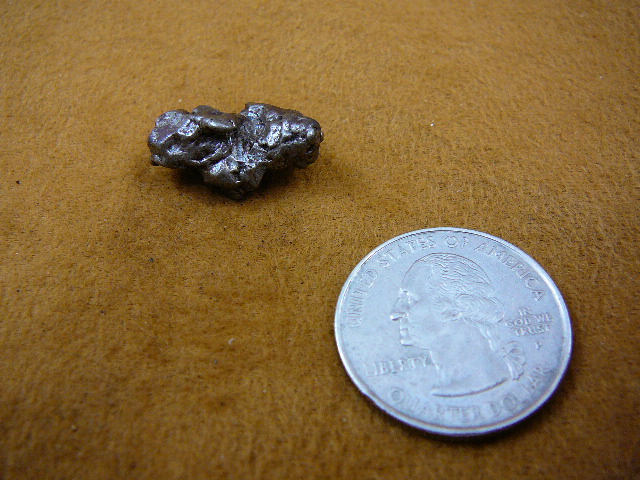
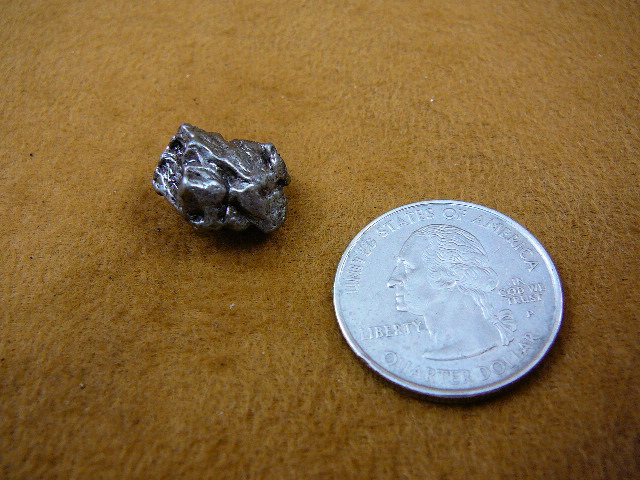
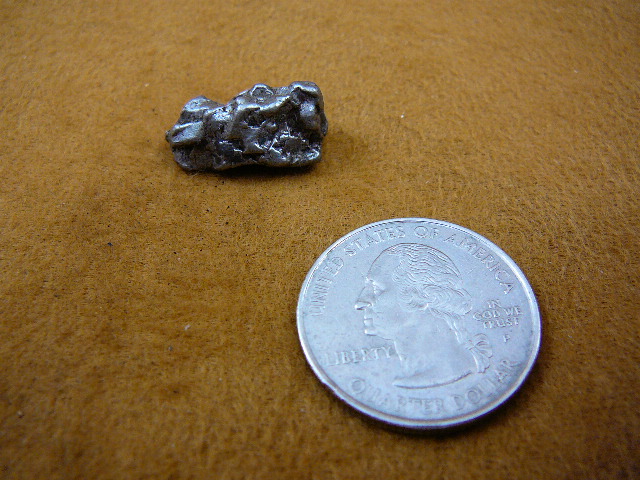
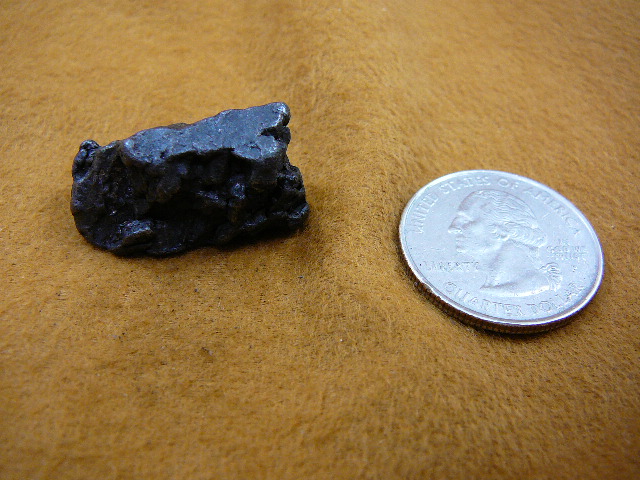
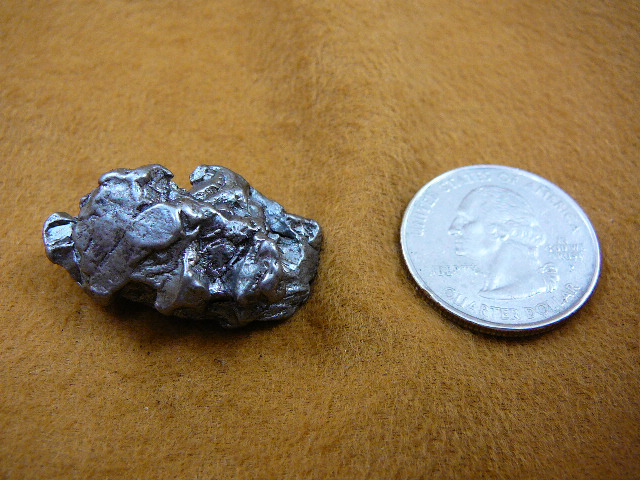
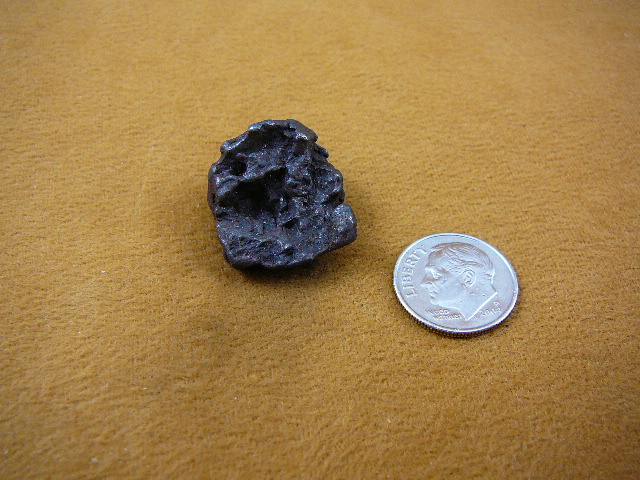
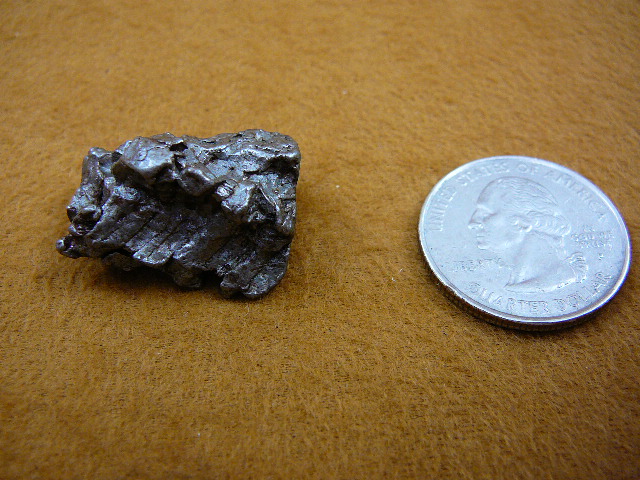
| CAMPO
DEL CIELO Meteorite Fragments in Glass vials
Vial measures 2-3/8" long x 5/8"
wide with screw top.
$15 each unless otherwise marked |
| |
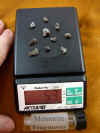
#X-260-10
5.3 grams |
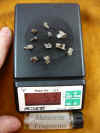
#X-260-12
5.3 grams |
|
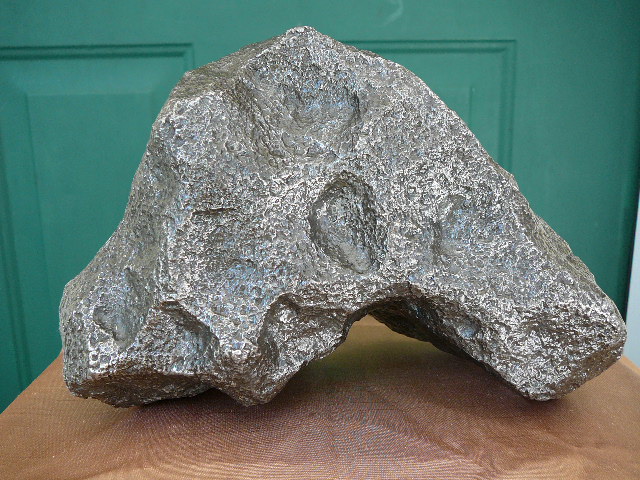
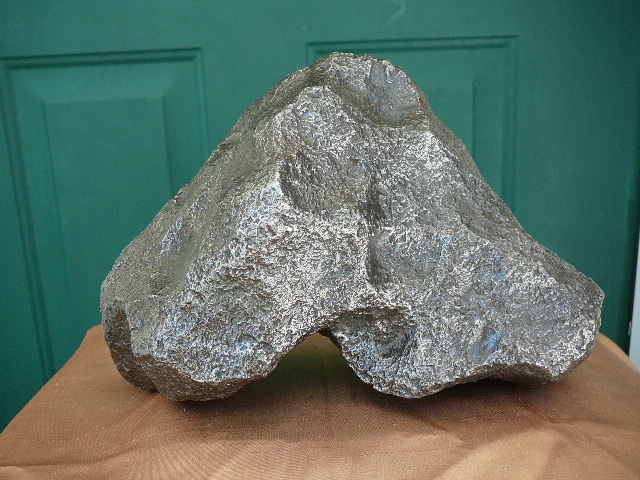
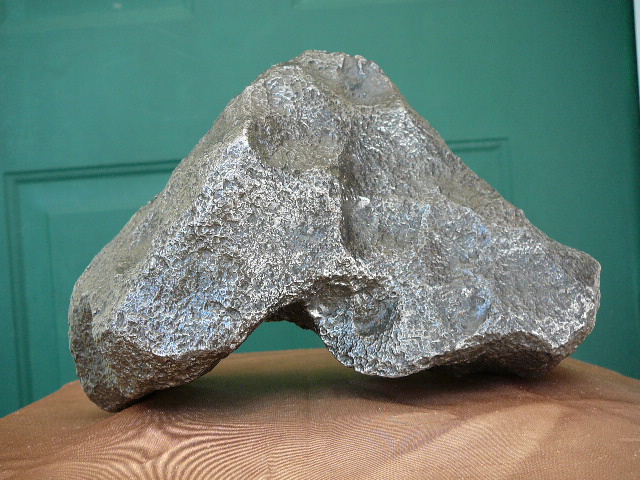
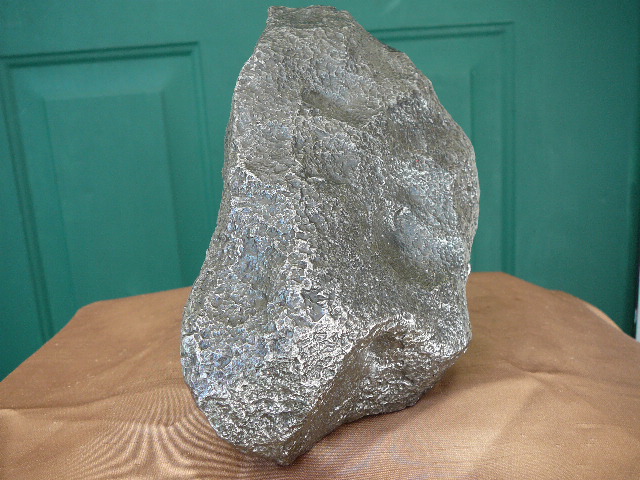
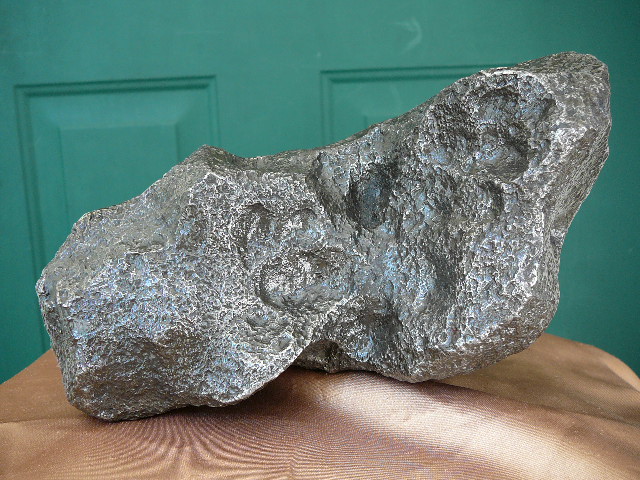
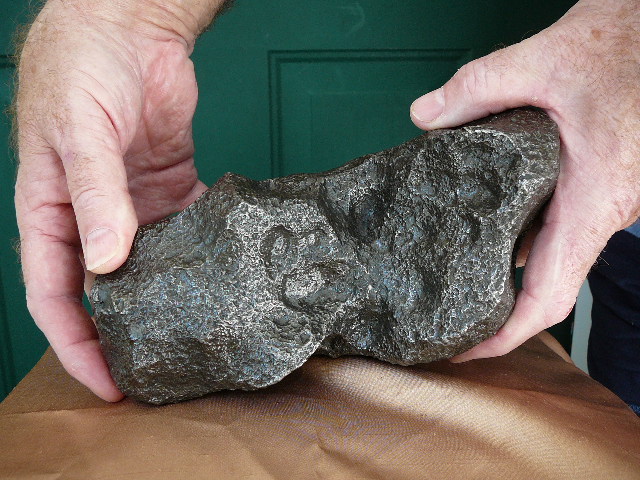
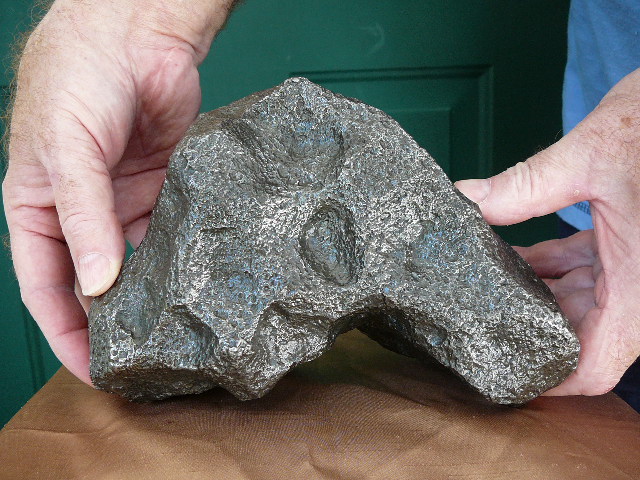
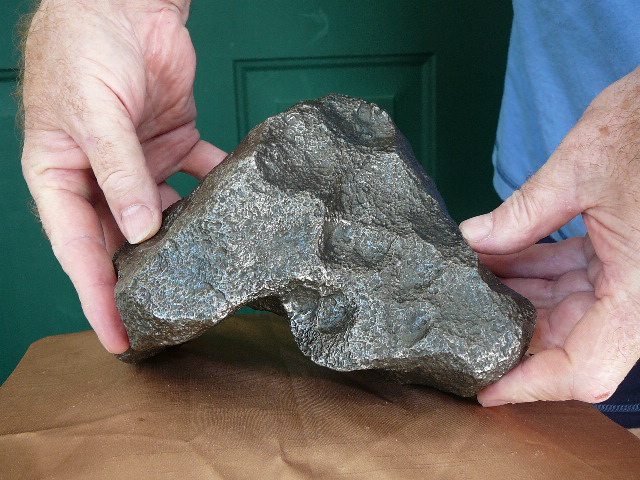
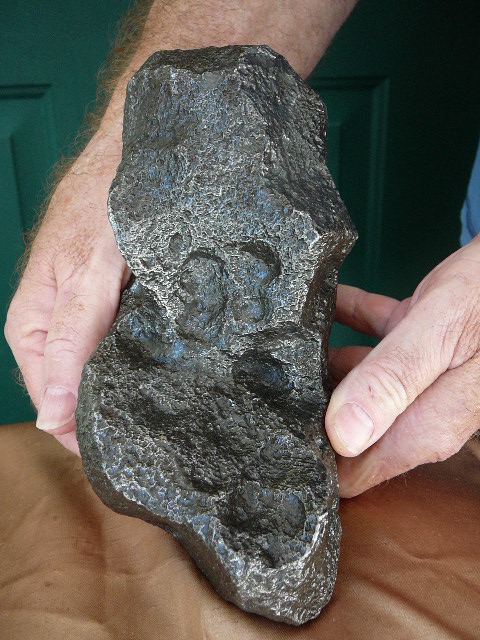
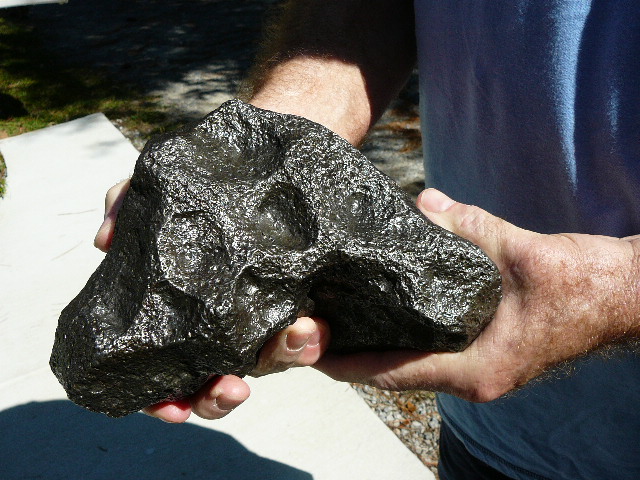
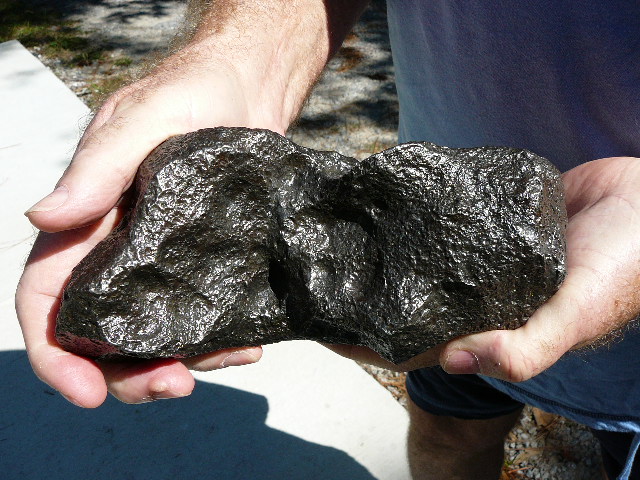
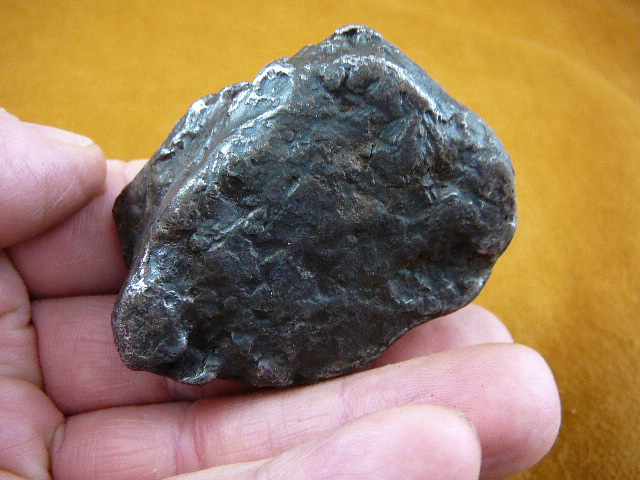
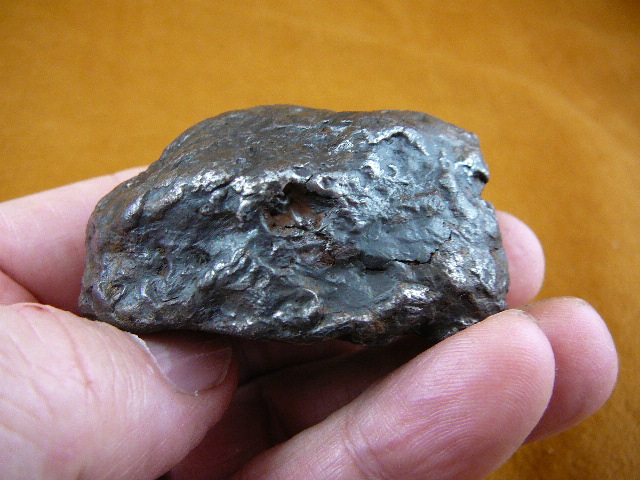
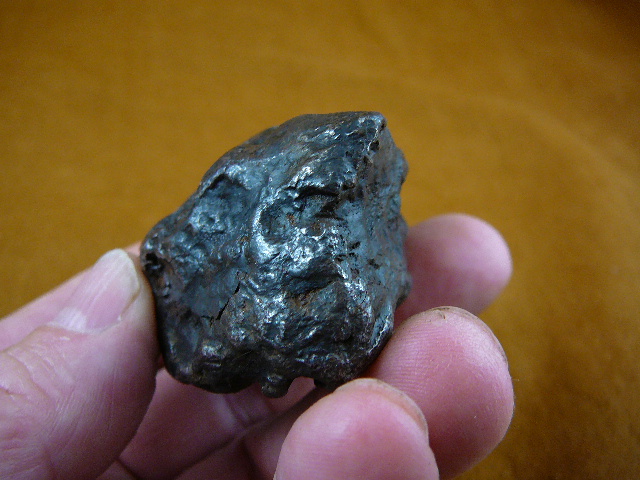
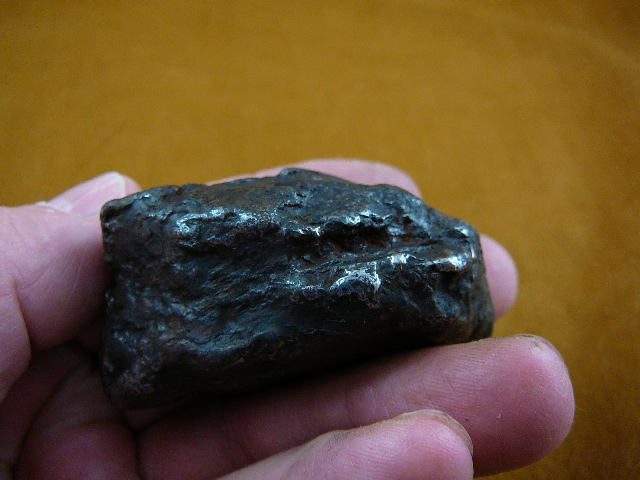
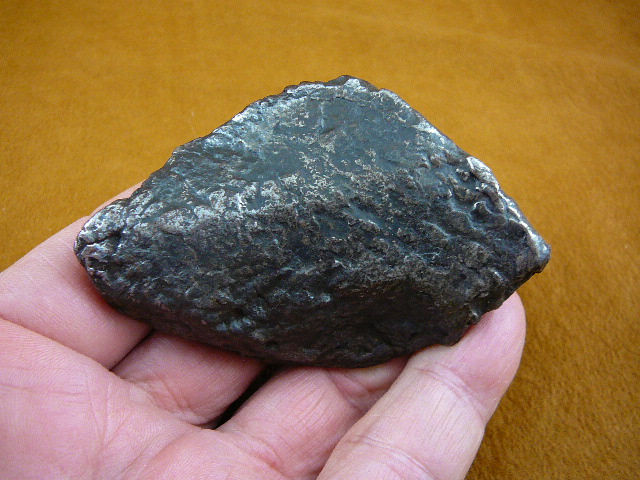
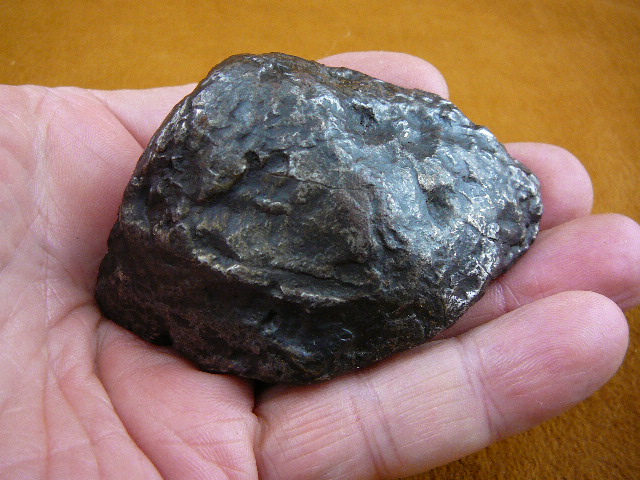
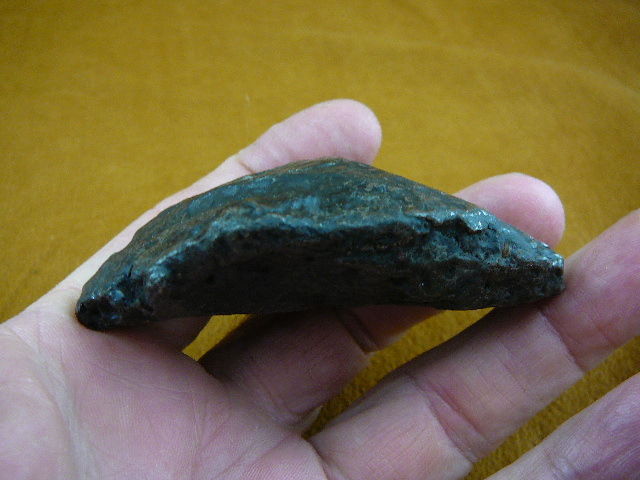
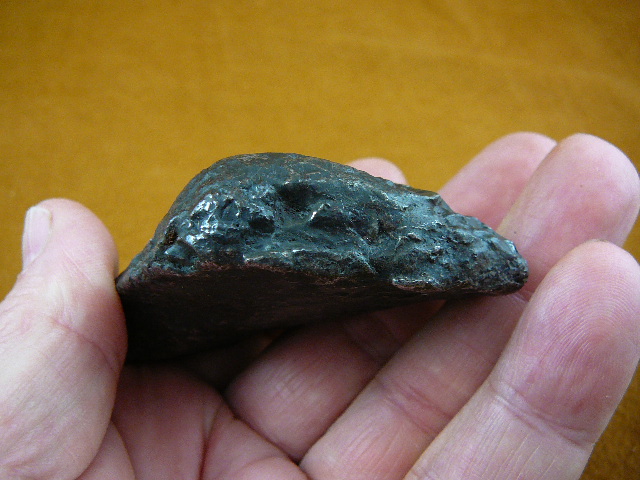
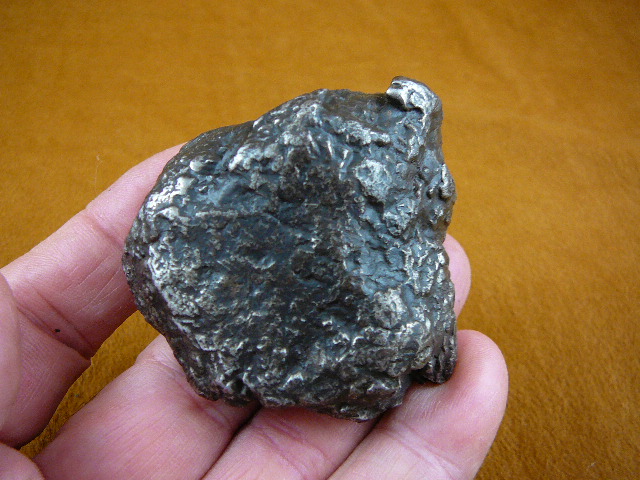
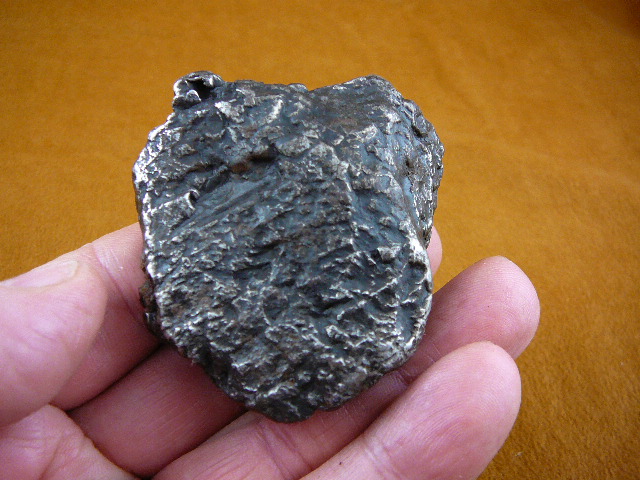
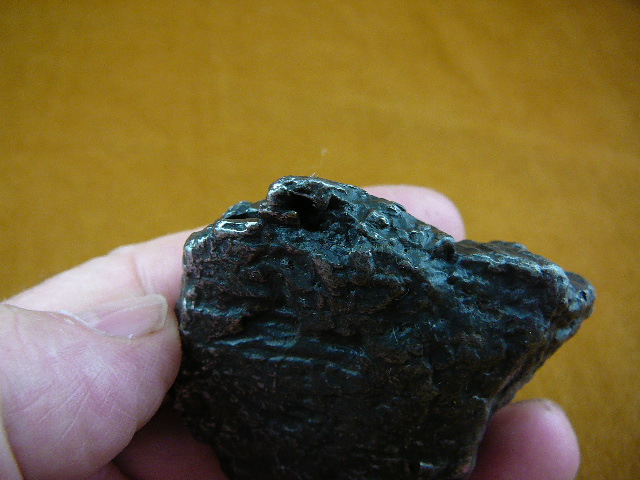
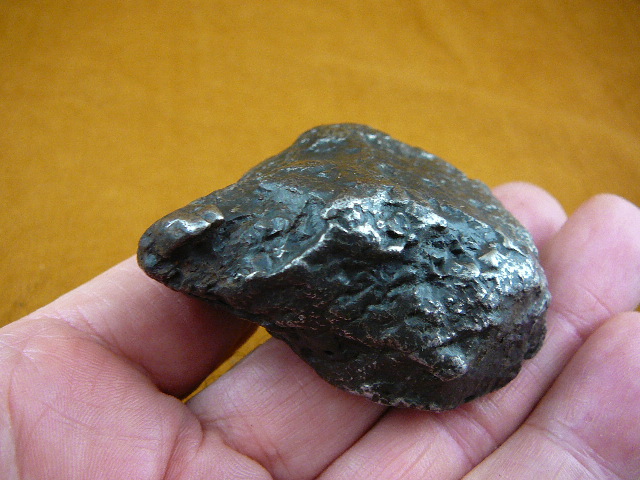
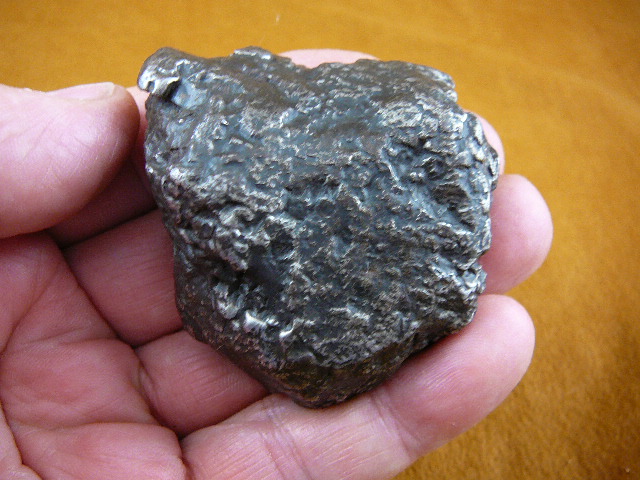
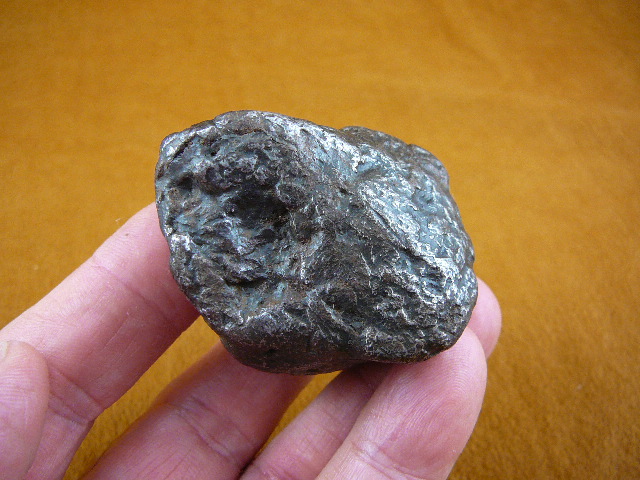
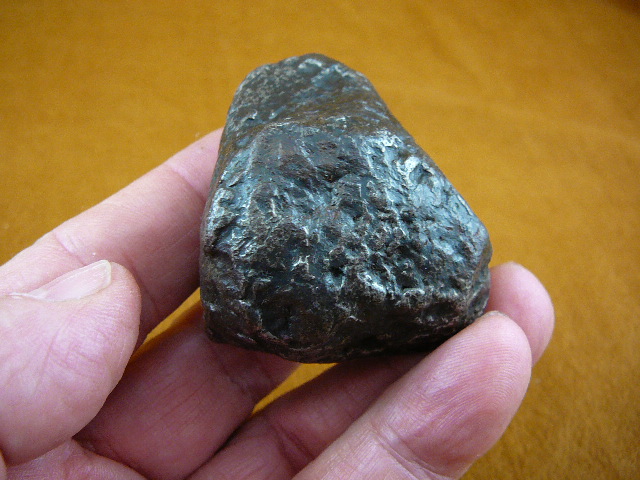
Here
is a Big Mama Meteorite
we acquired
10/10/10 (Campo, about 18 pounds), superb thumbprint regmaglypt
indentations. The last few photos really show the beautiful
condition and shine of this lovely piece.
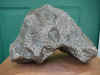
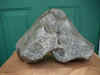
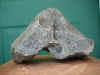
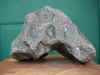
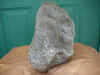
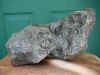
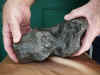
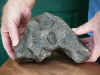
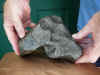
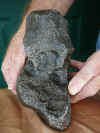
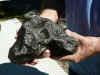
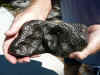
#X260-100
17.5625 pounds (17 pounds 9 ounces)
7.98 kg (kilos)
7966.22
grams Measures 8-1/2” wide x
4-1/2” deep x 5-1/2” tall
$1375 |
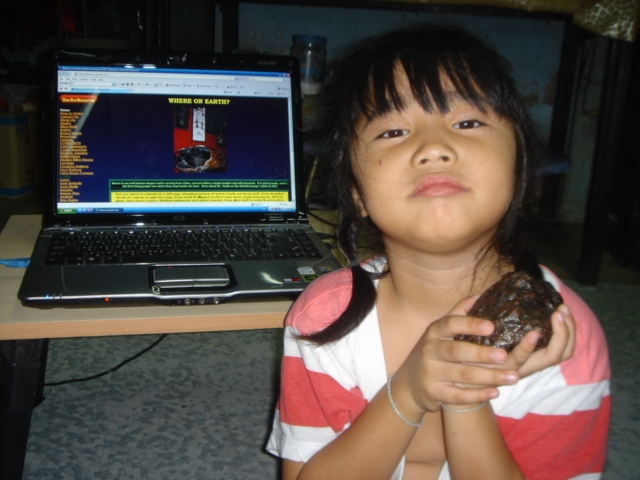
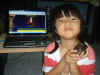
| Customer
Siriphong in Thailand sent this photo of his child holding their new
meteorite, purchased from us. Note the
Where on Earth website open on the laptop in the background.
Thanks for sharing!
|
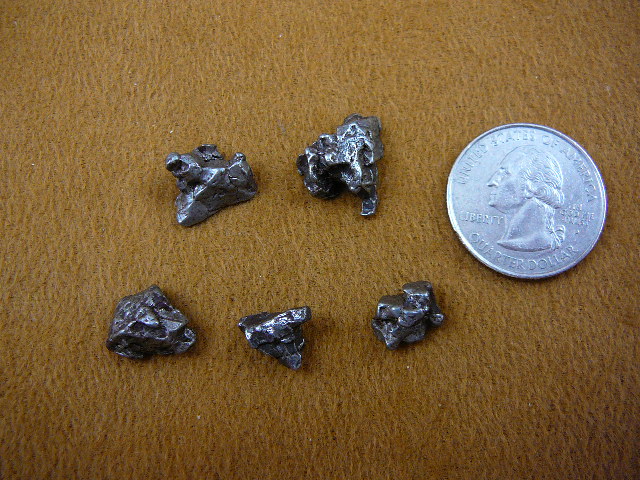
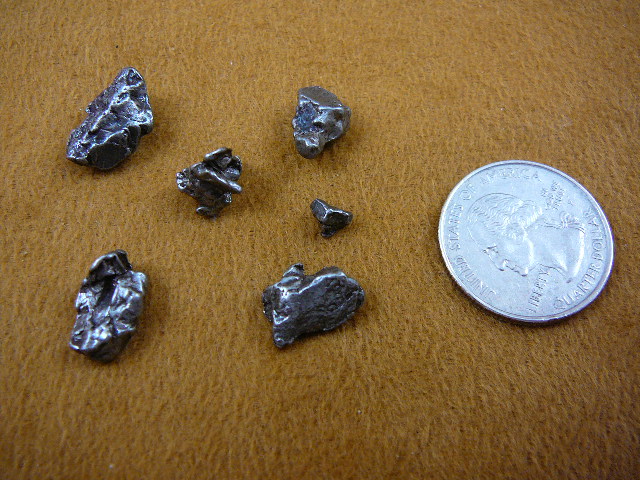
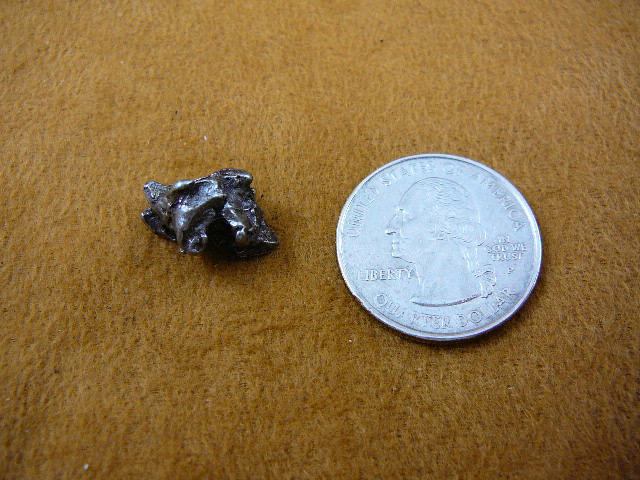
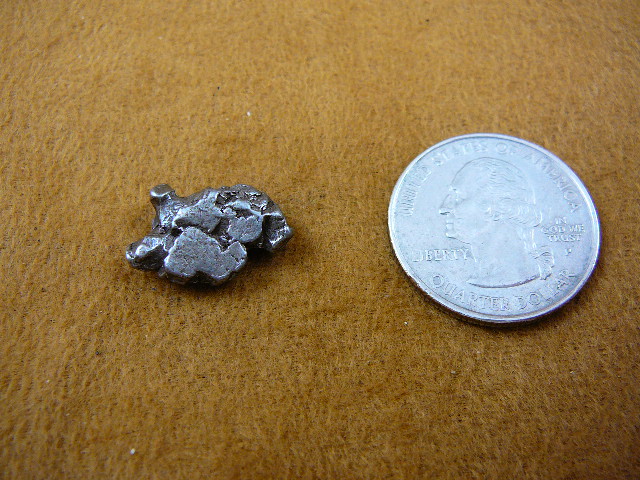
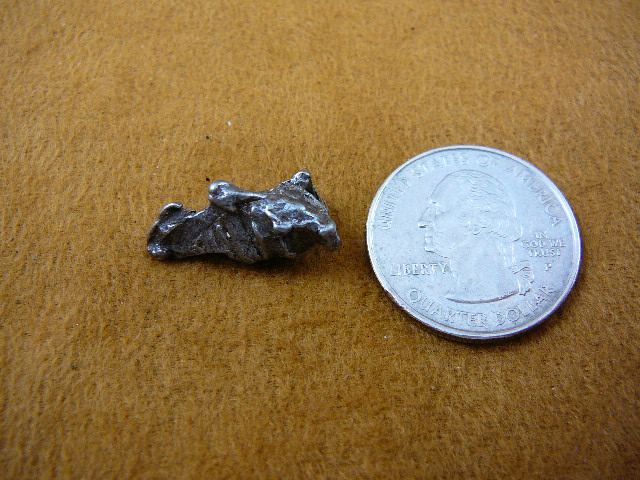
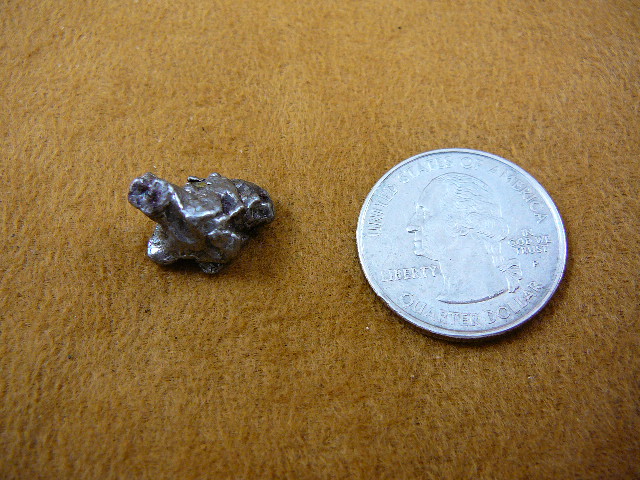
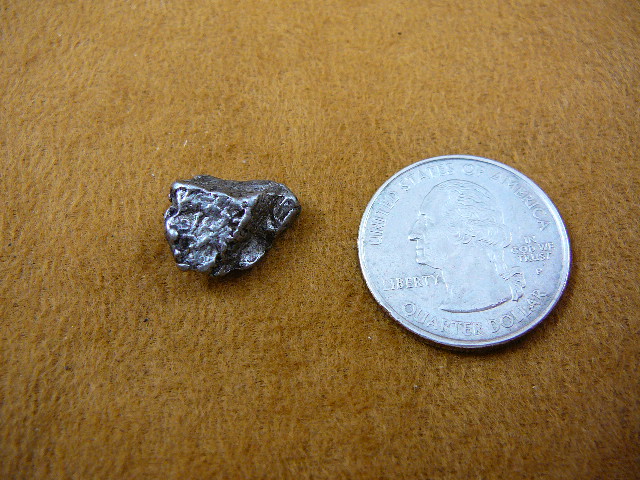
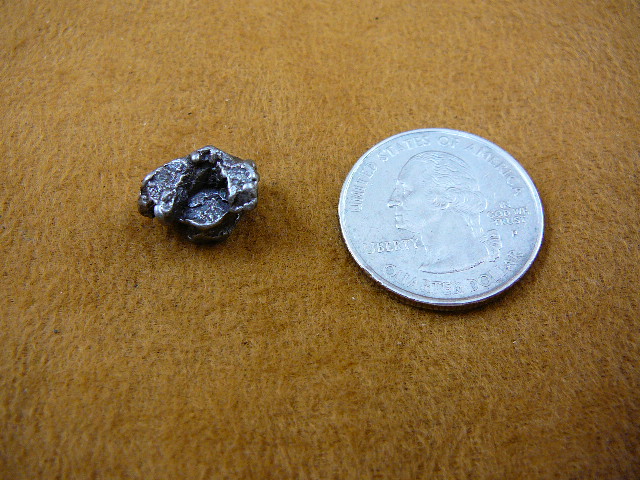
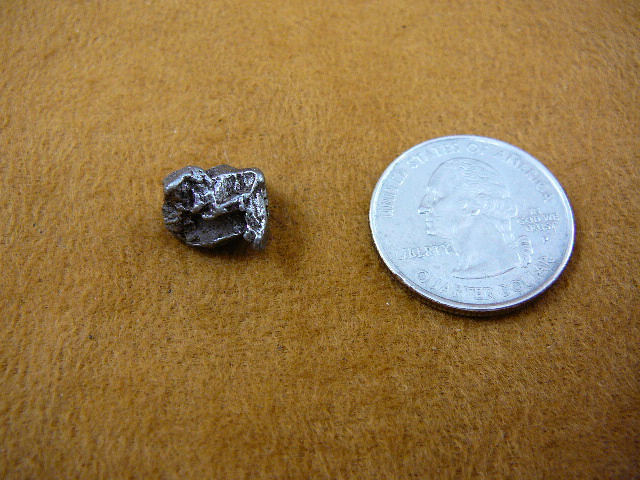
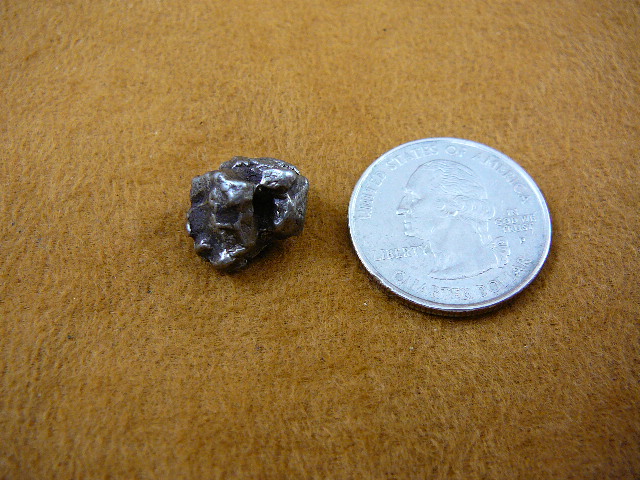
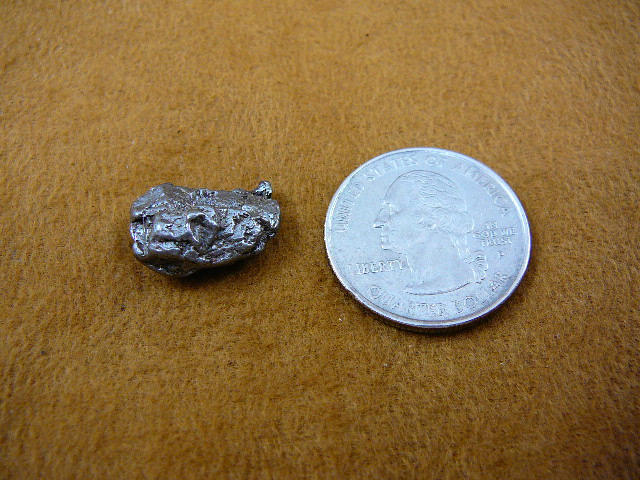
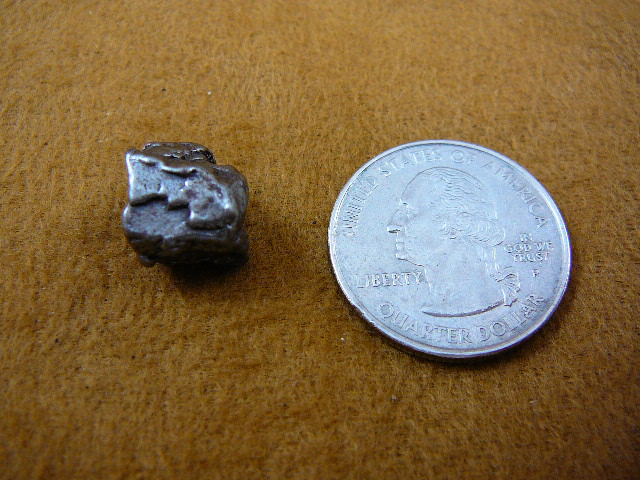
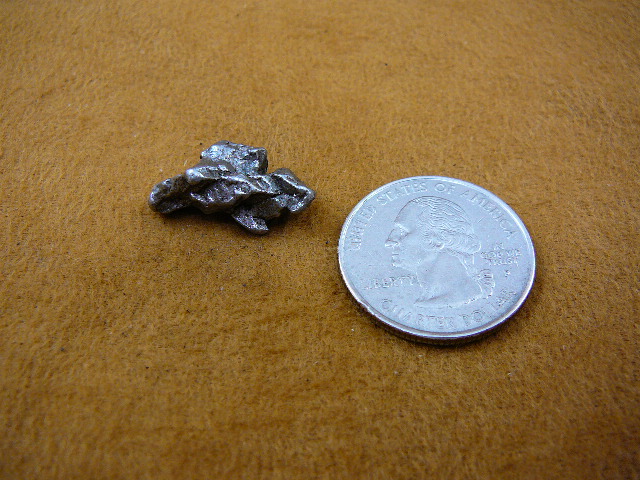
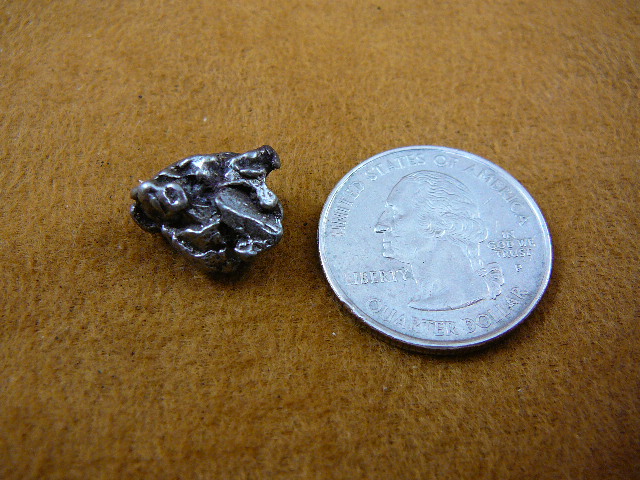
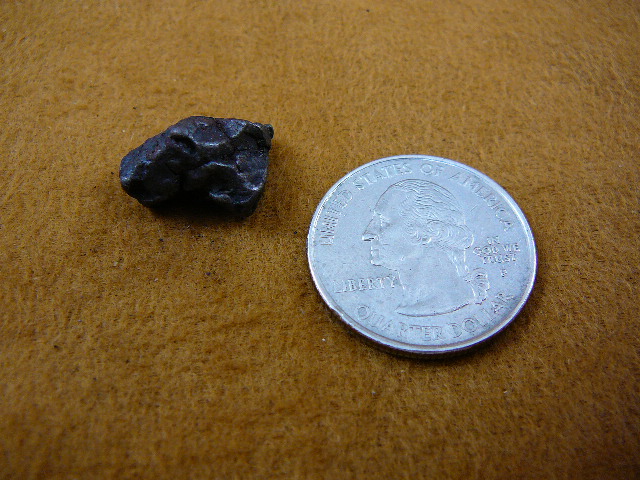
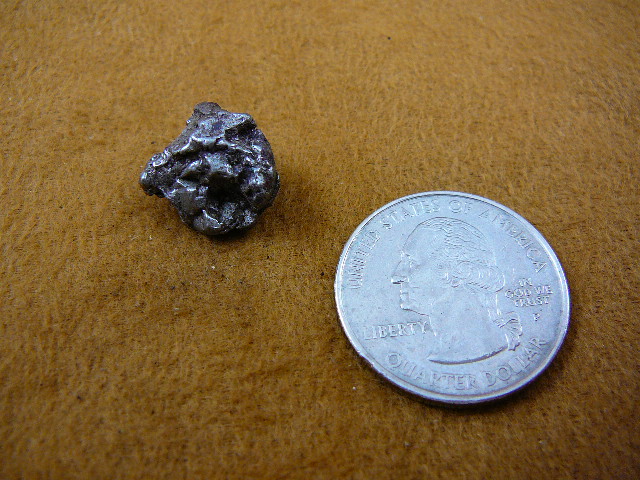
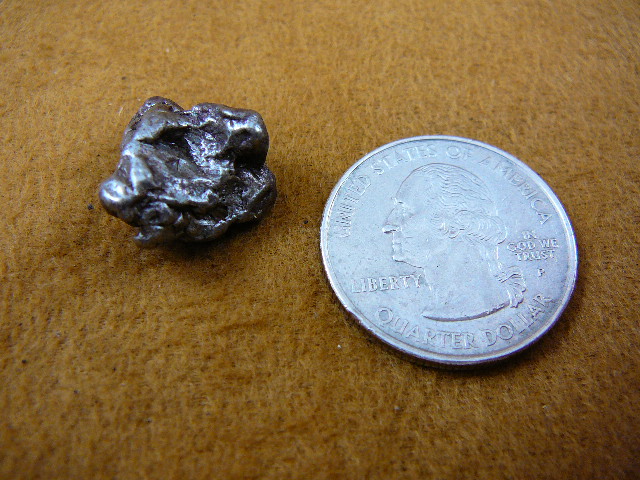
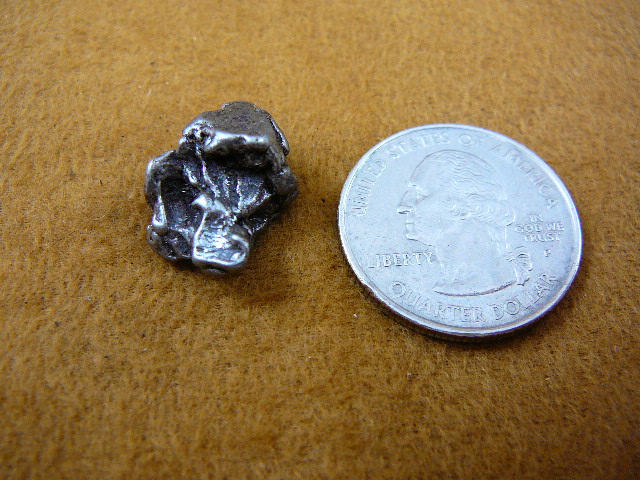
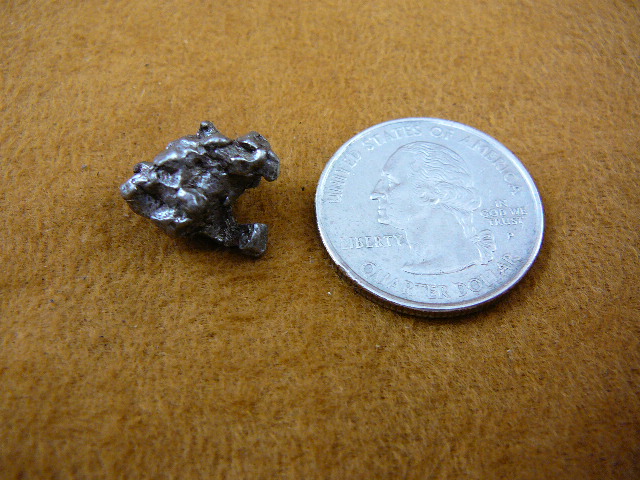
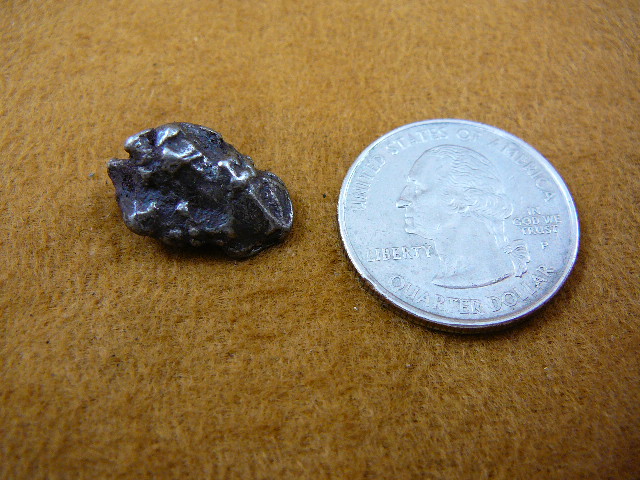
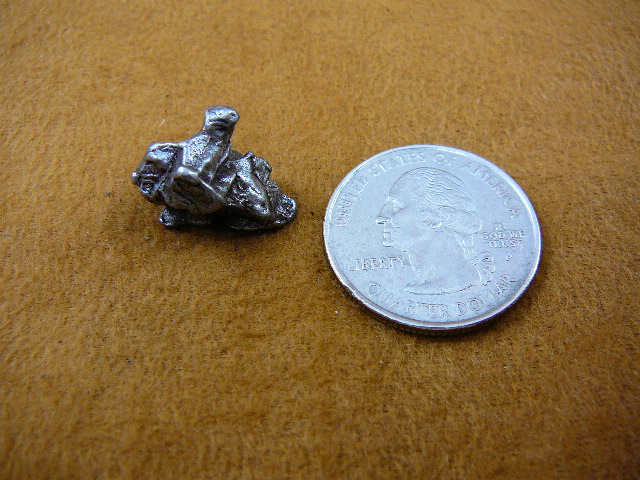
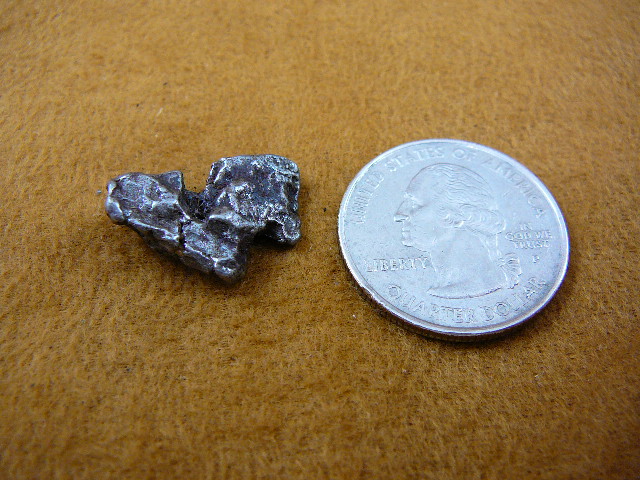
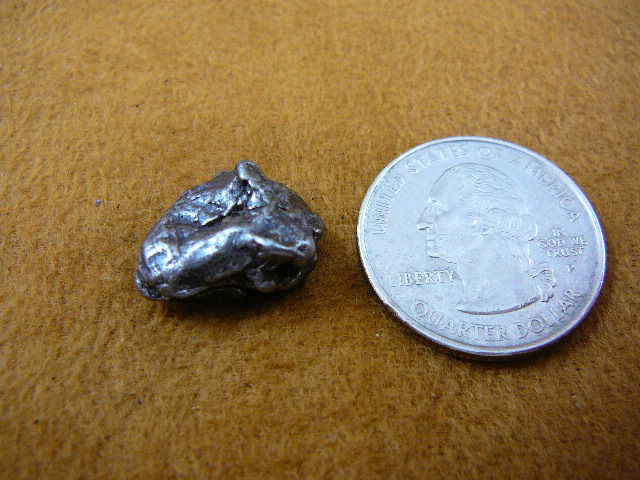
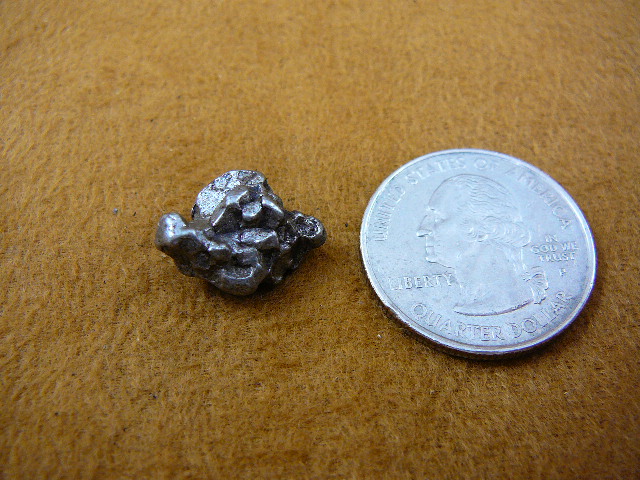
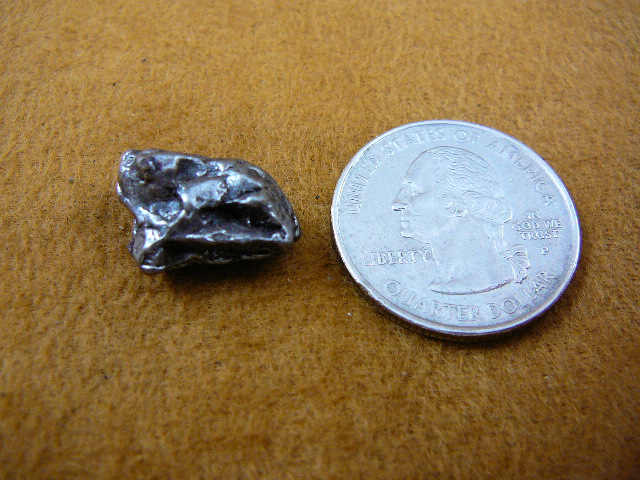
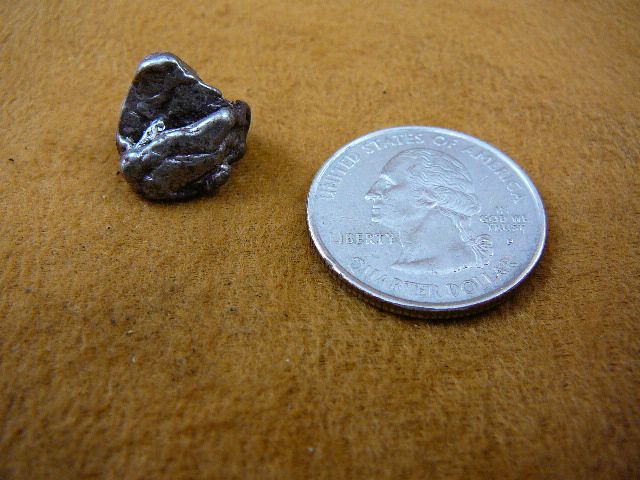
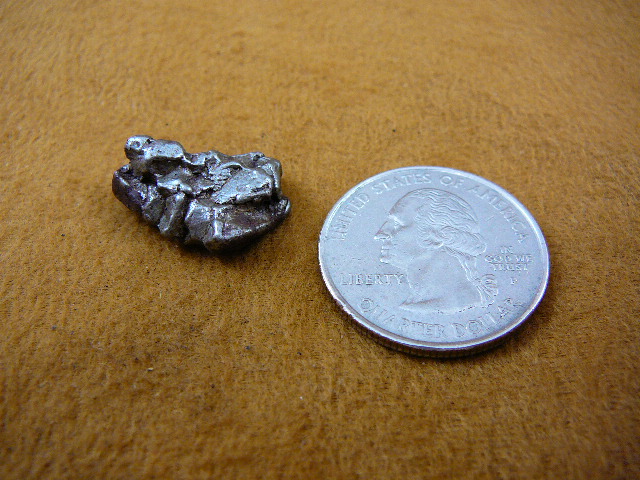
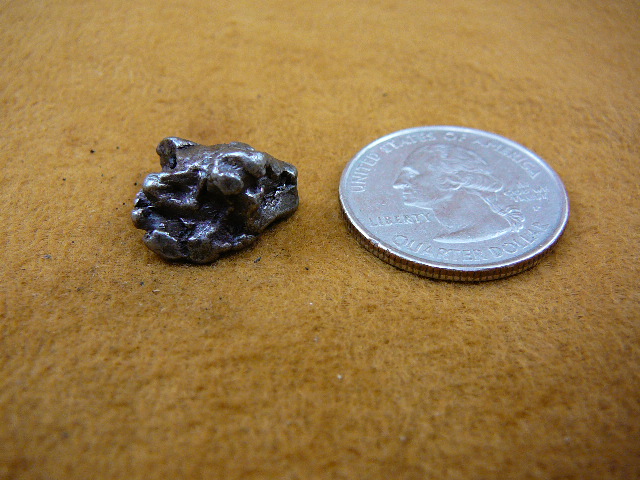
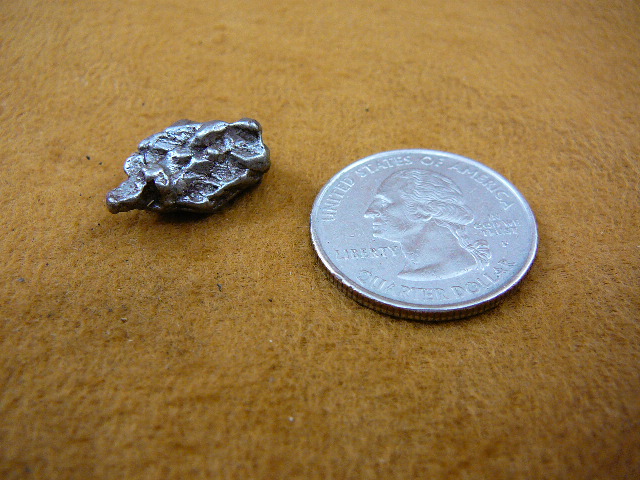
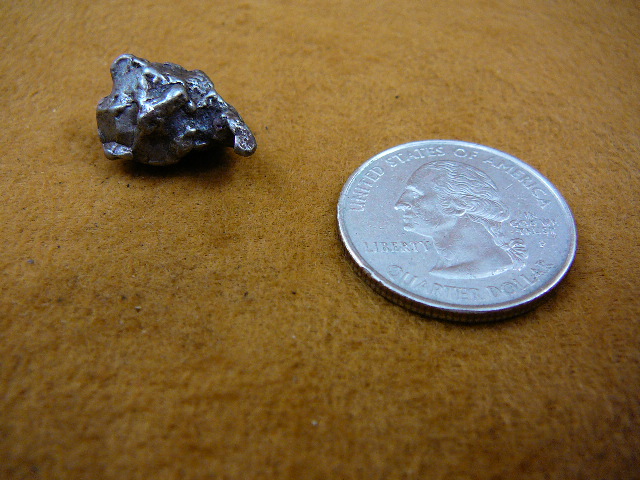
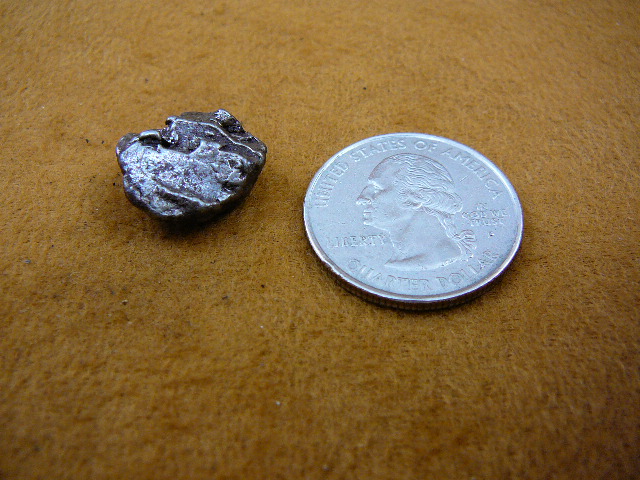
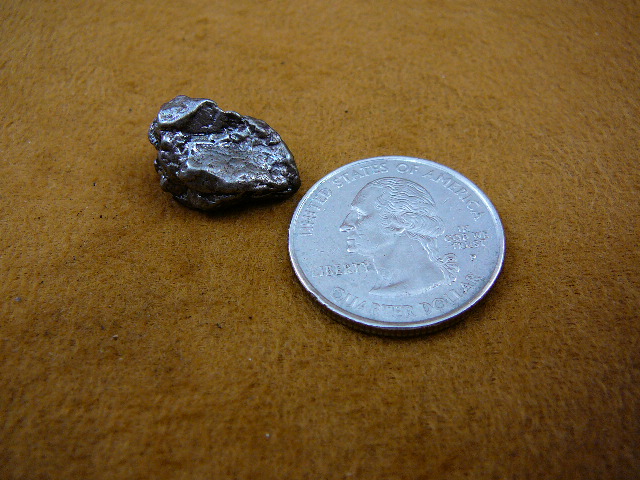
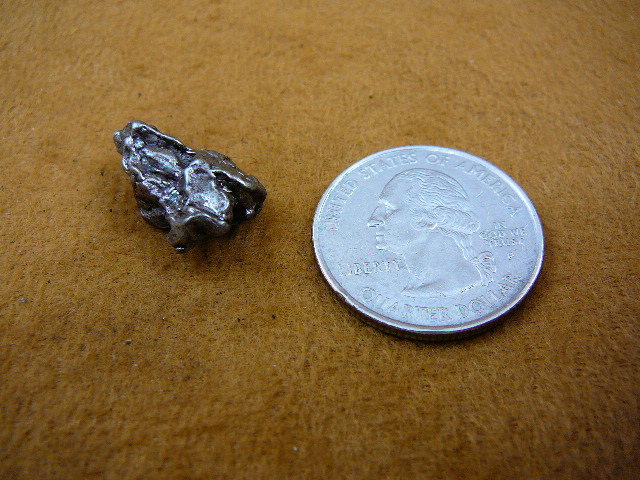
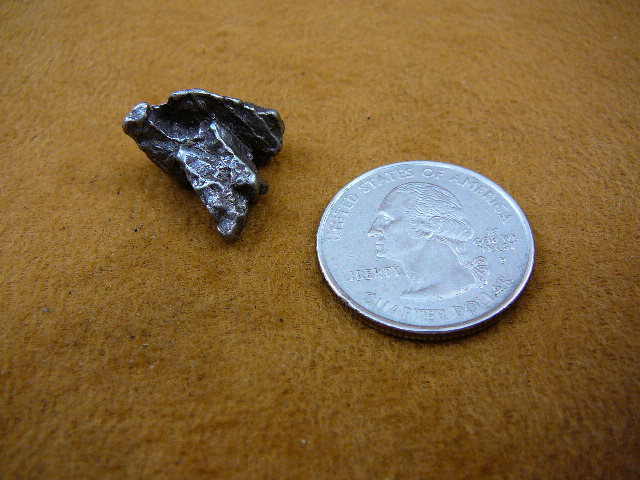
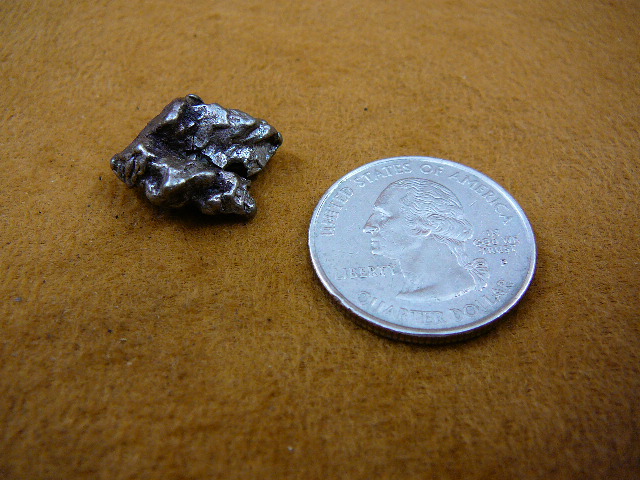
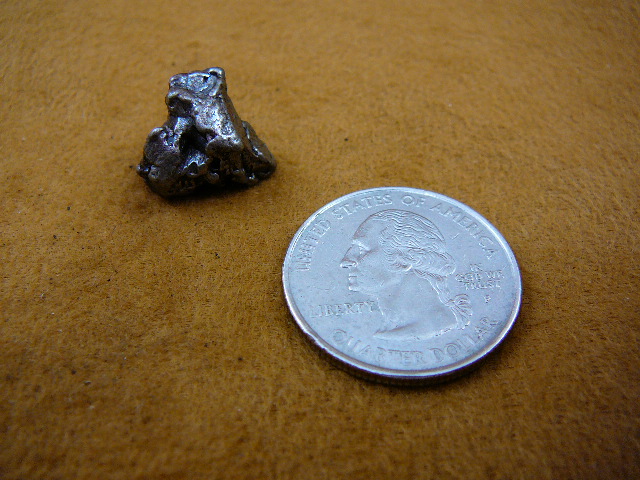
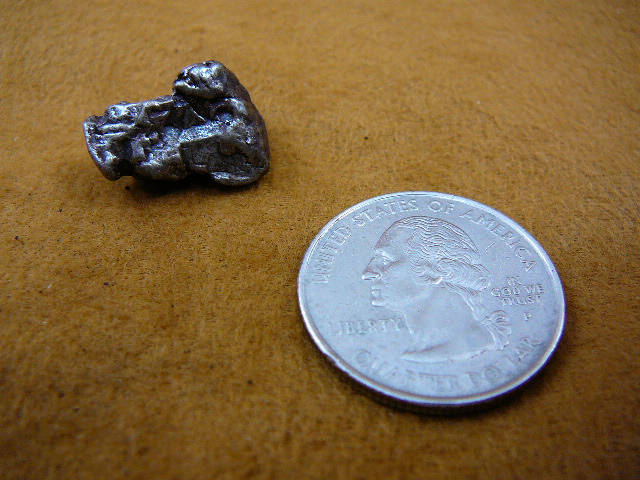
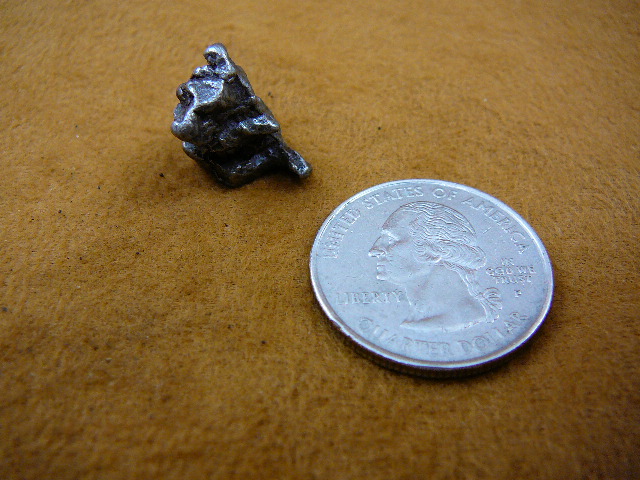
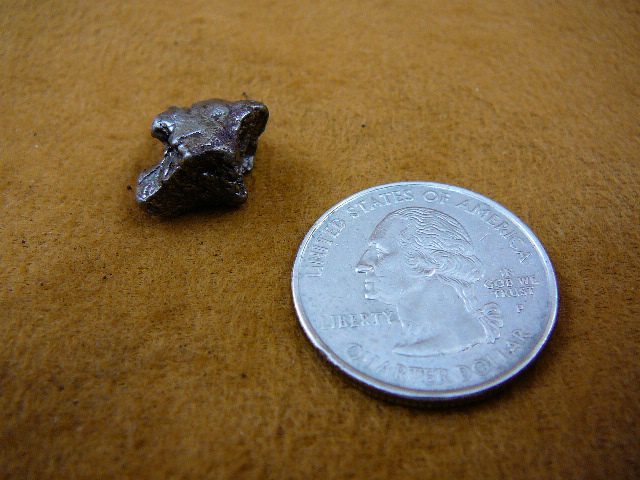
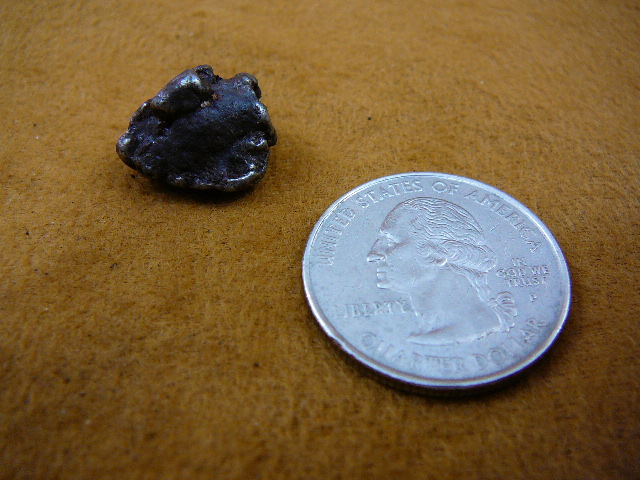
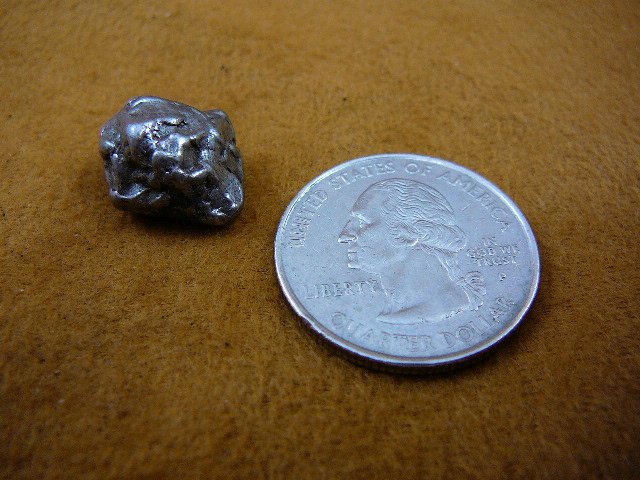
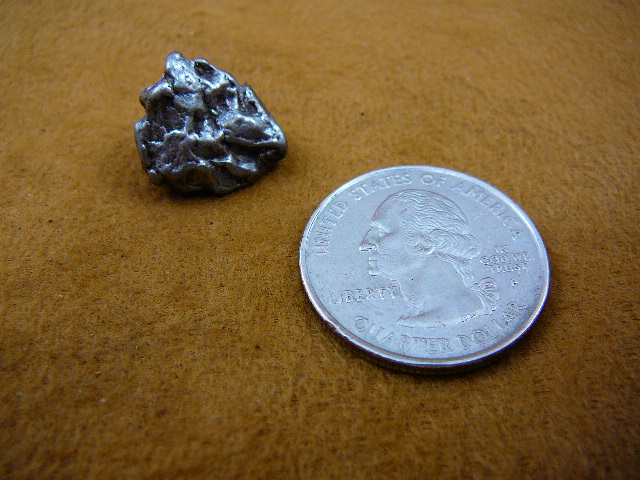
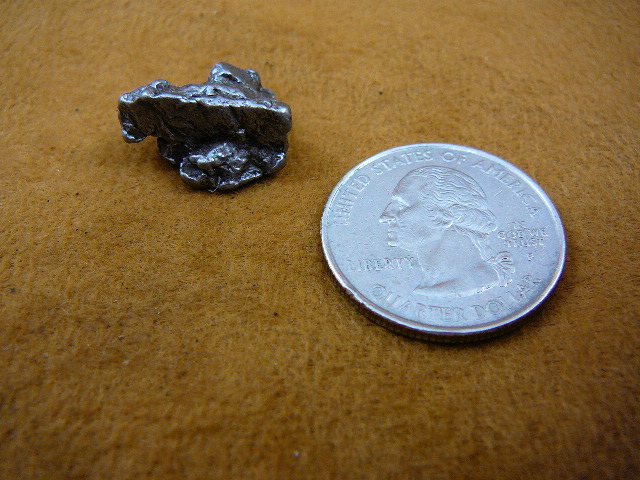
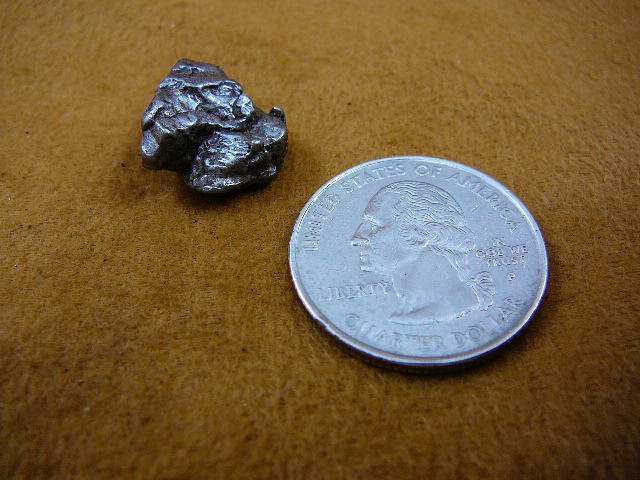
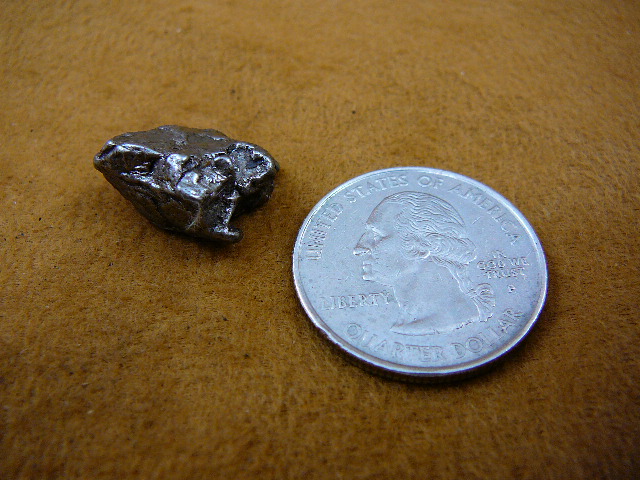
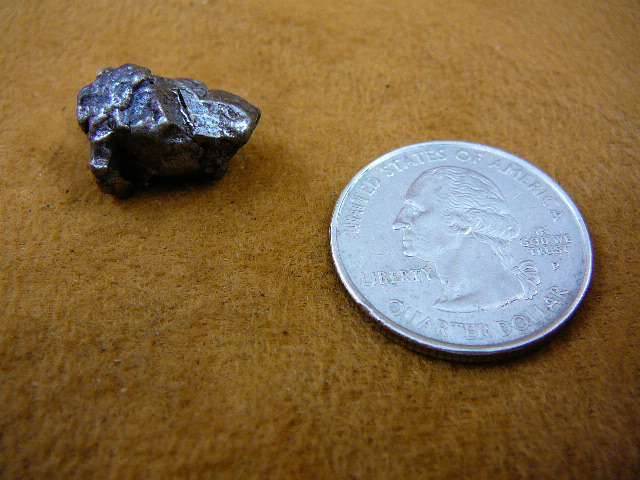
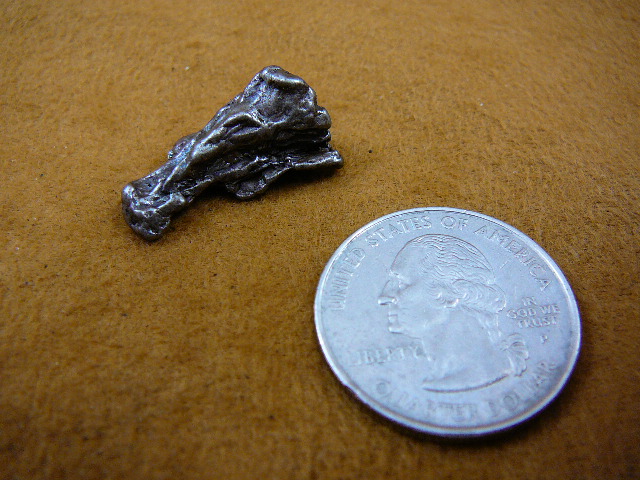
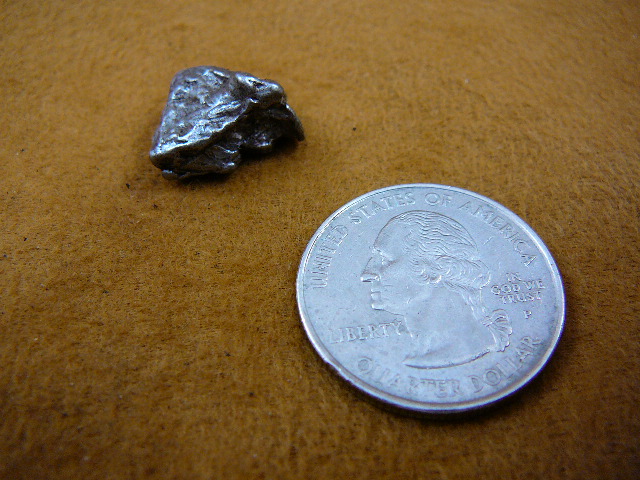
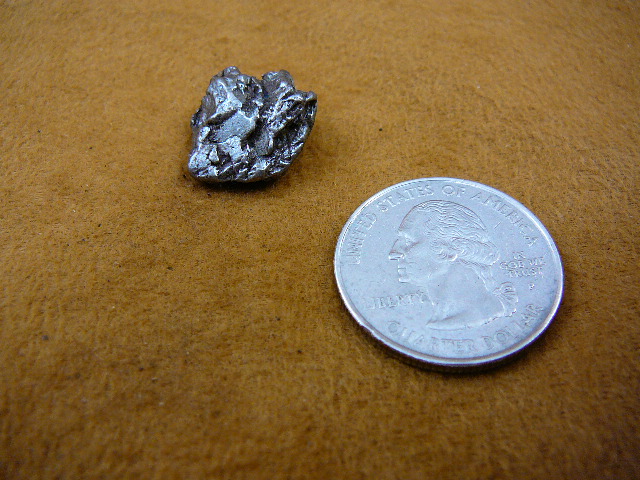
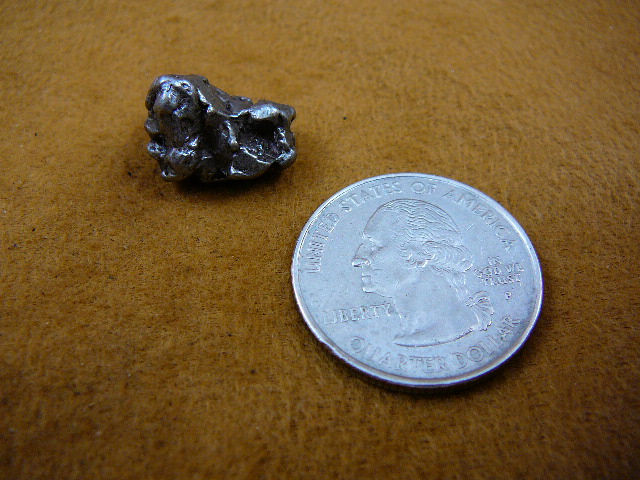
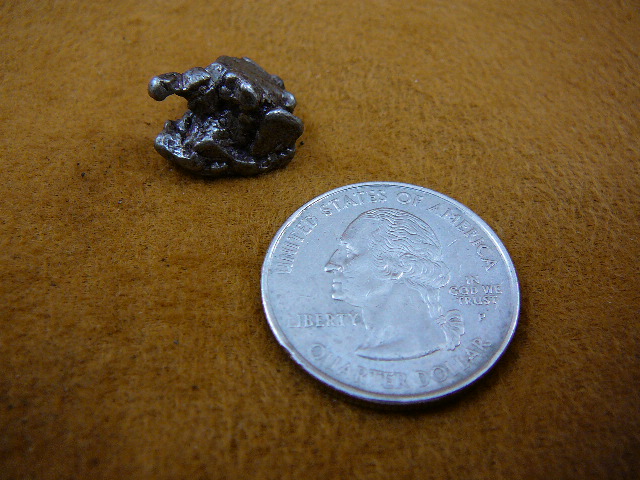
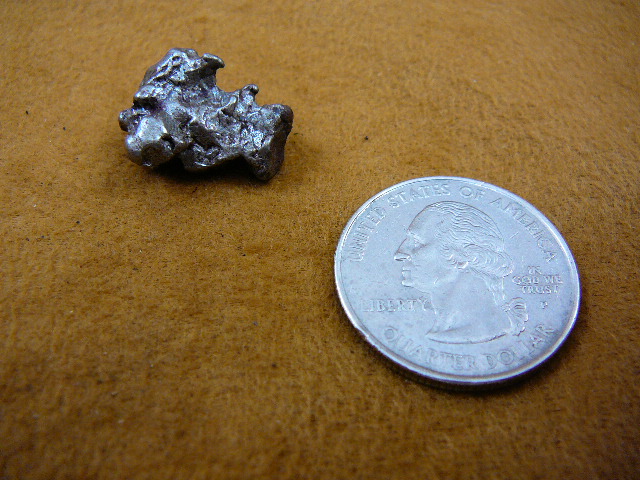
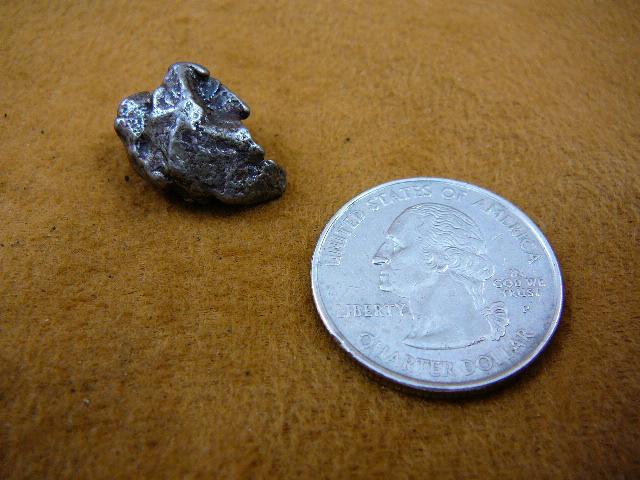
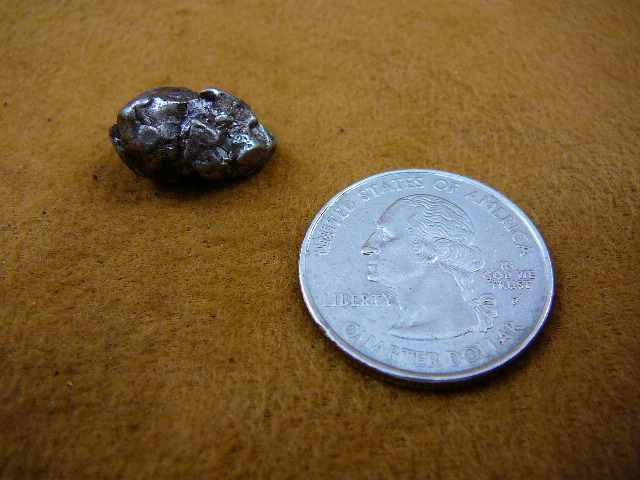
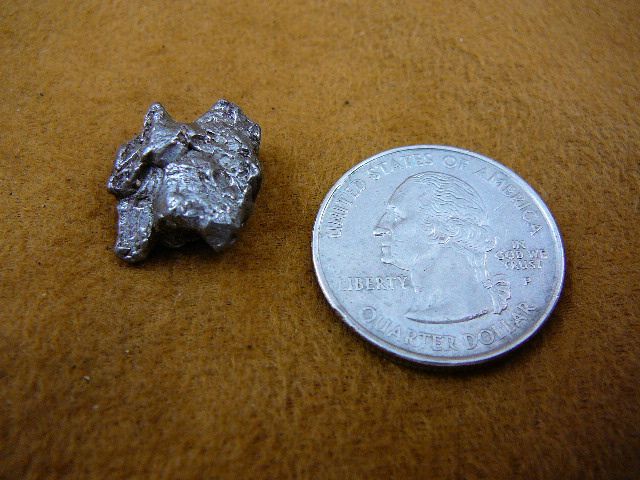
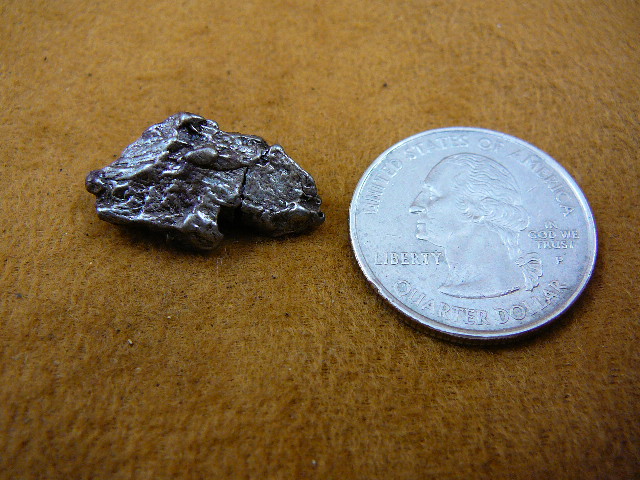
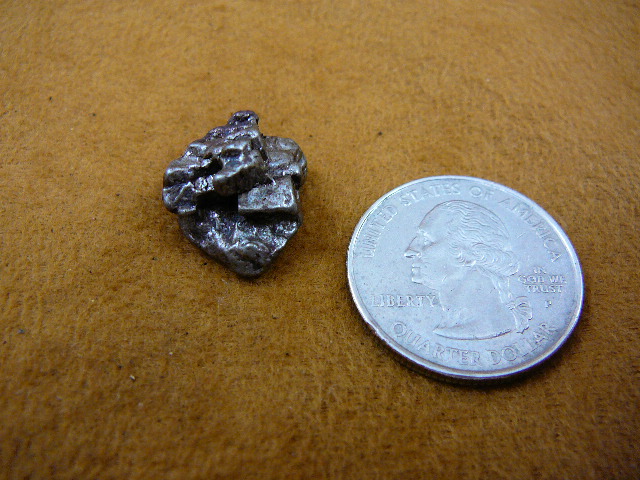
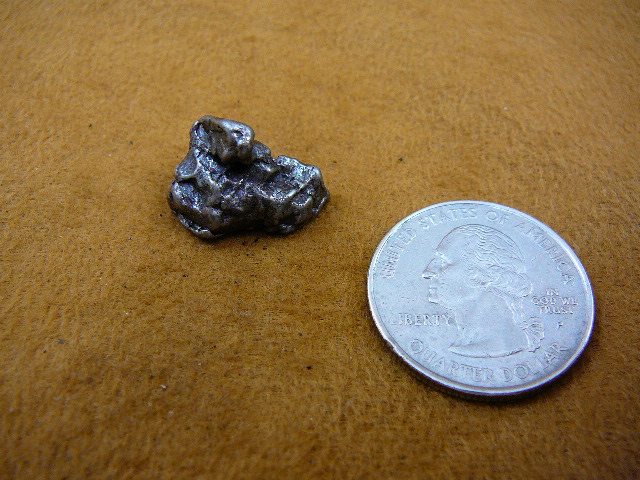
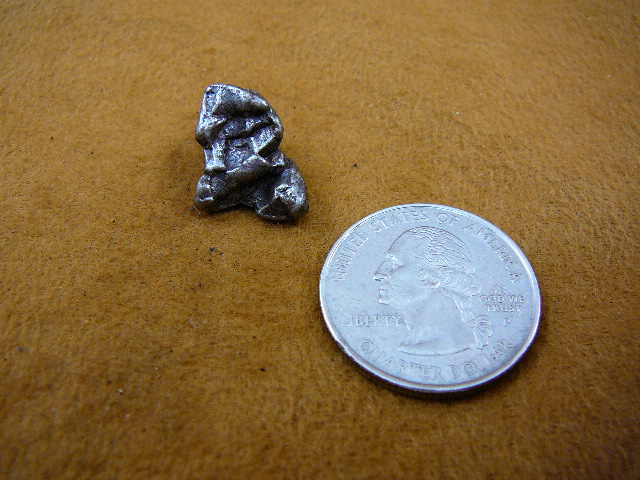
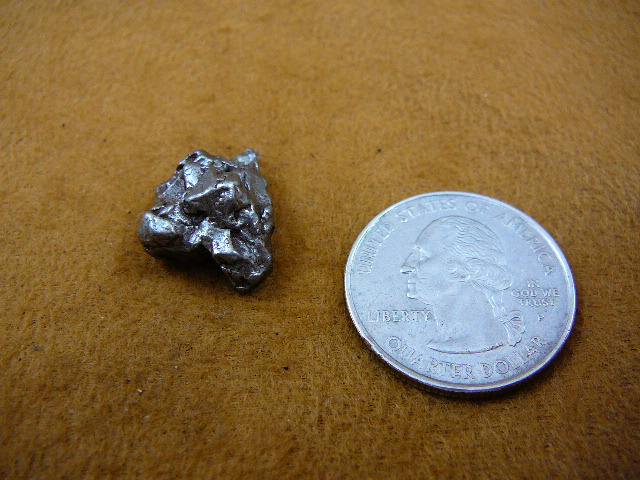
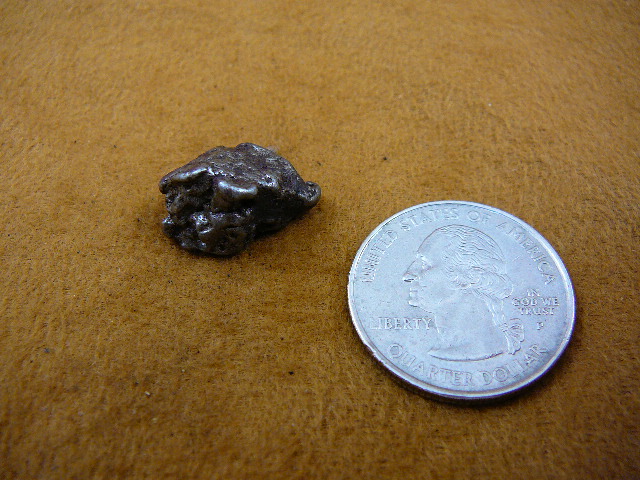
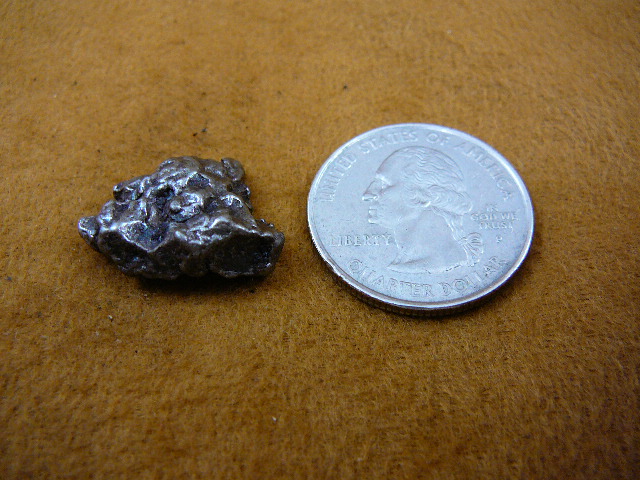
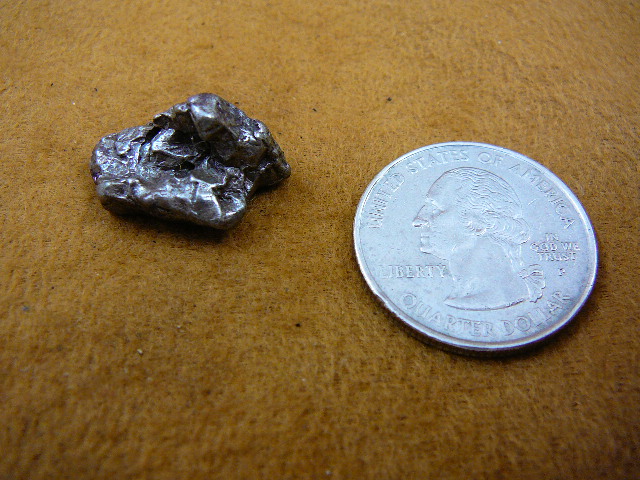
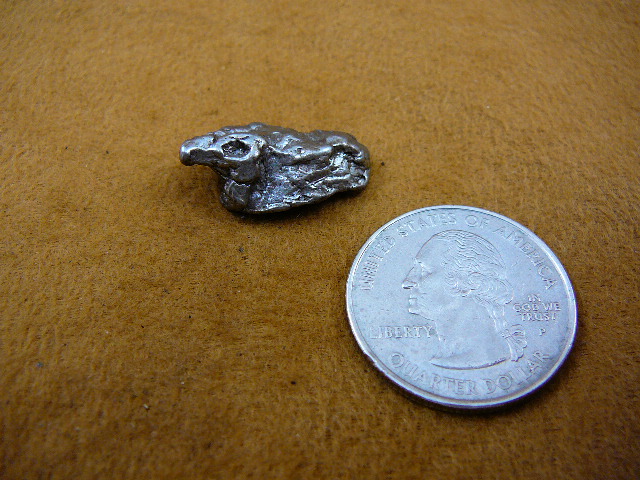
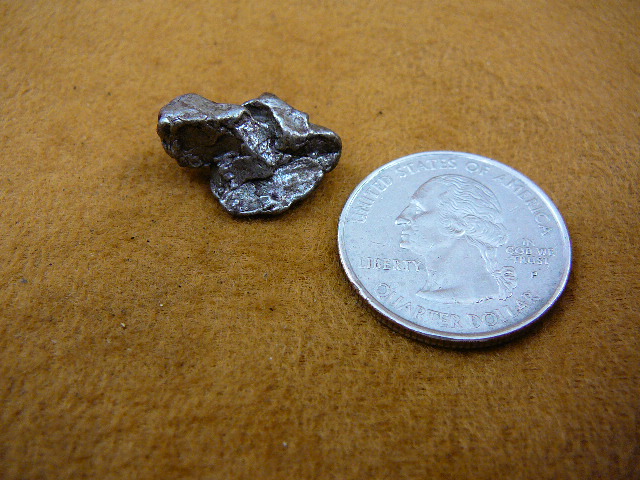
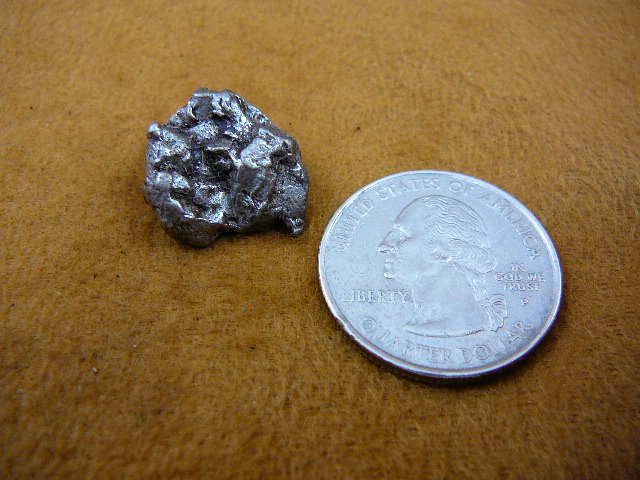
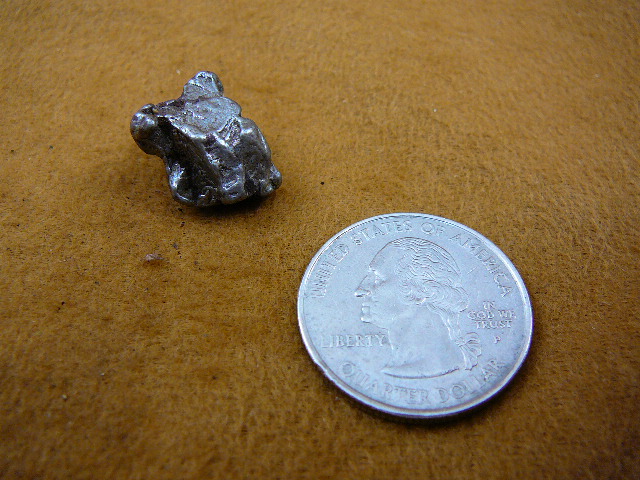
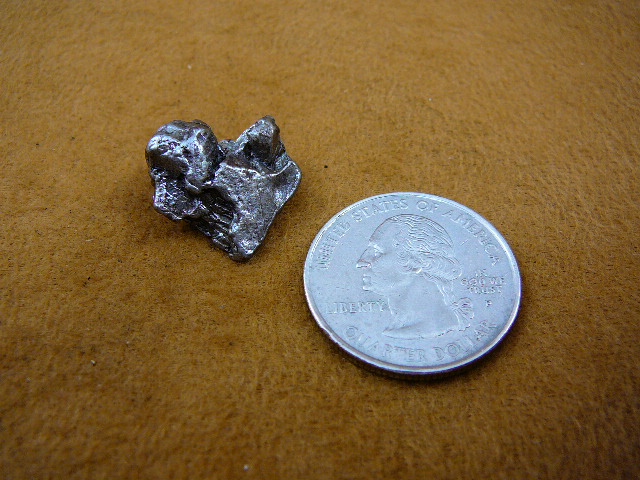
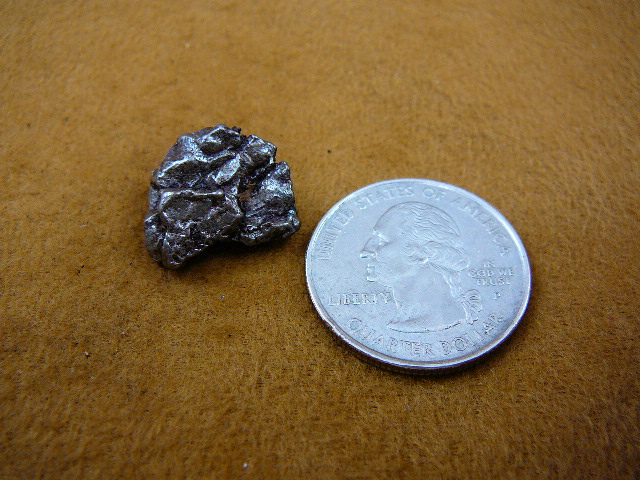
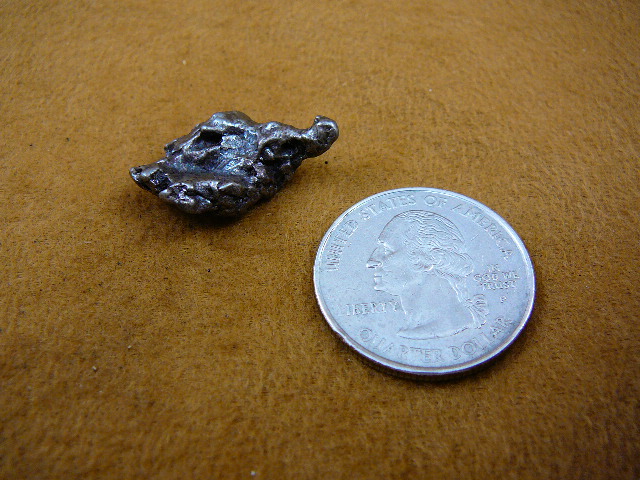
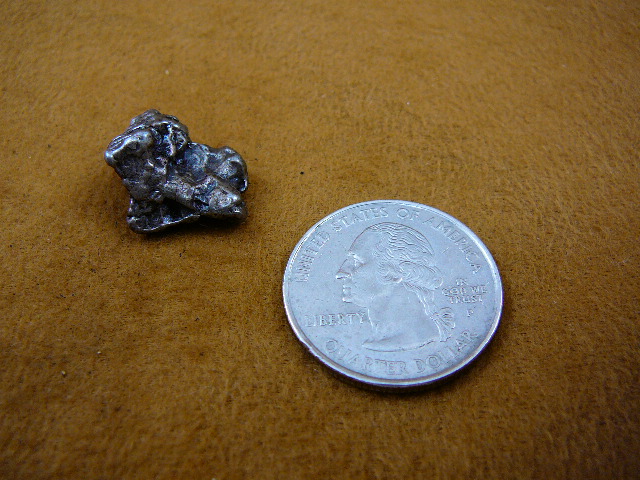
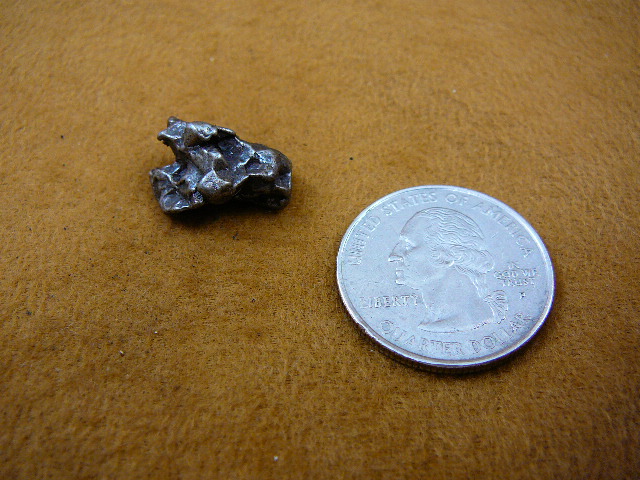
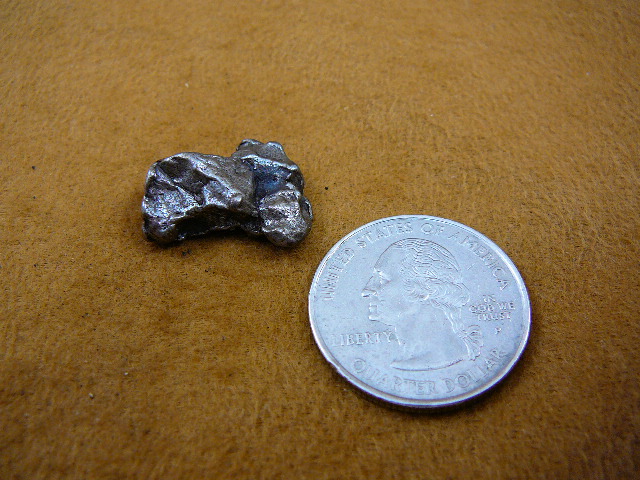
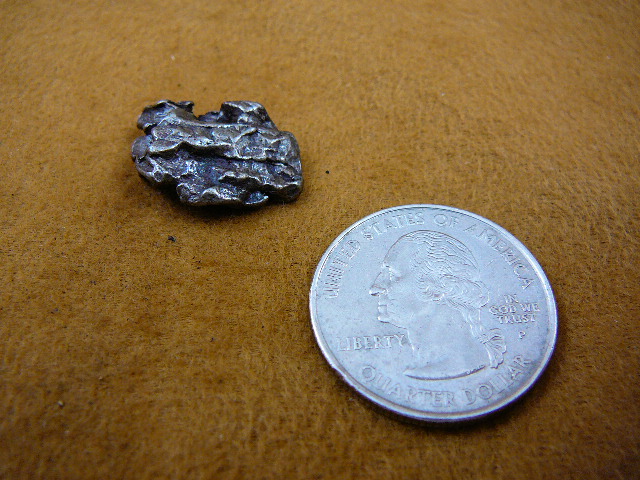
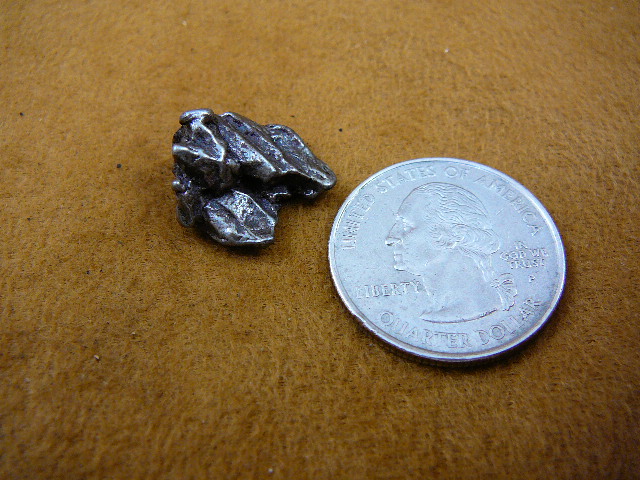
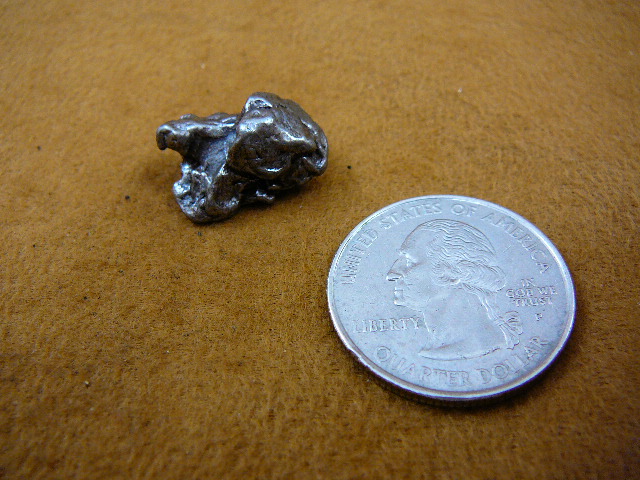
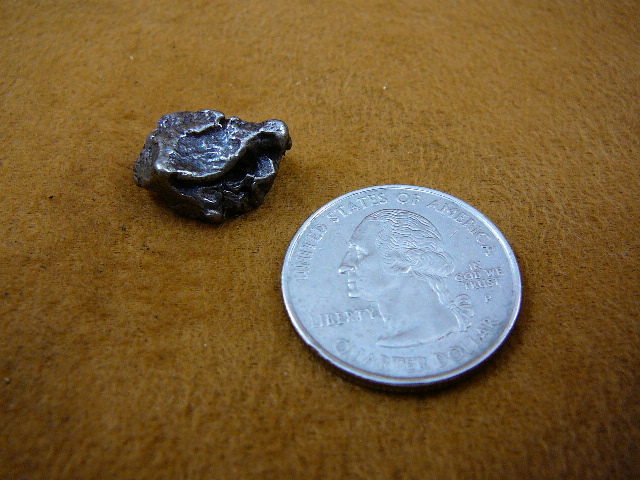
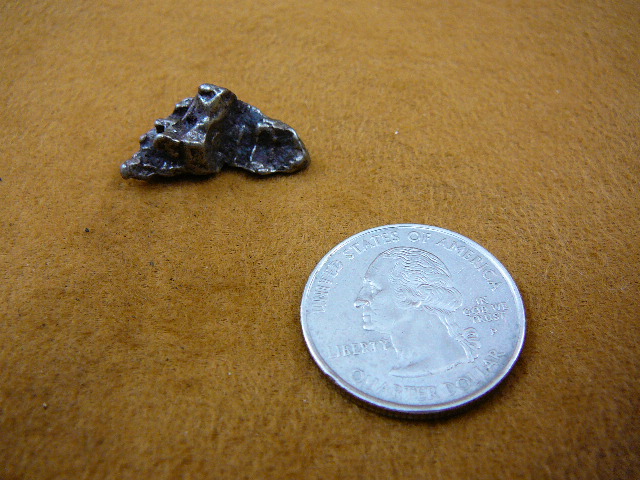
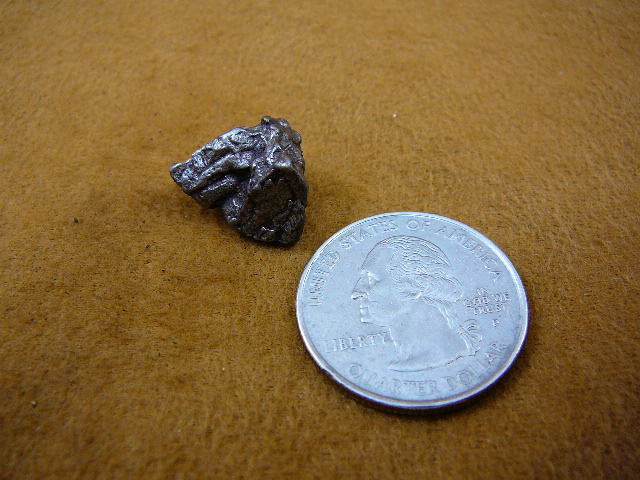
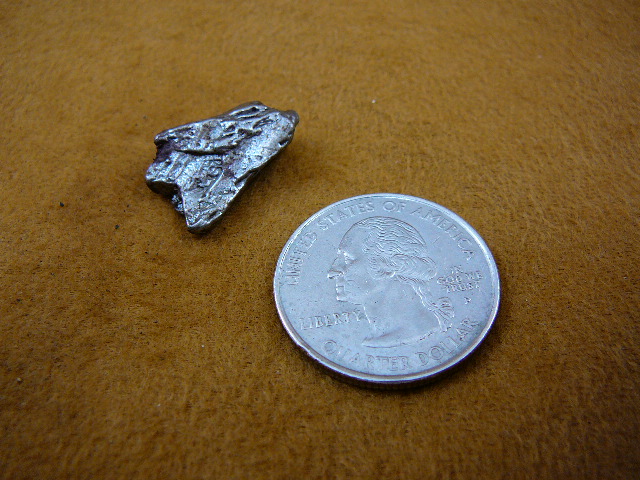
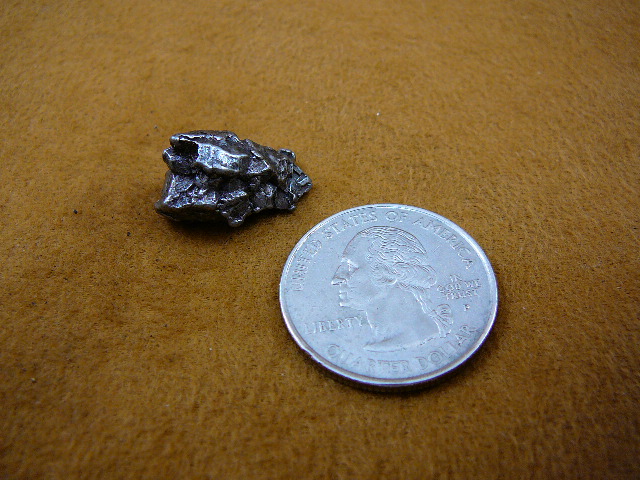
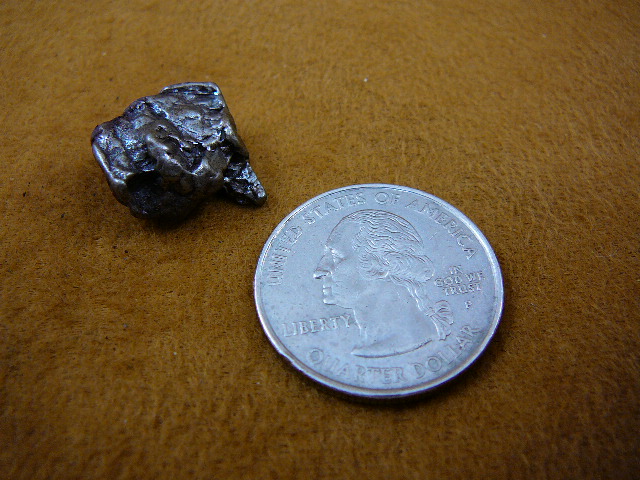
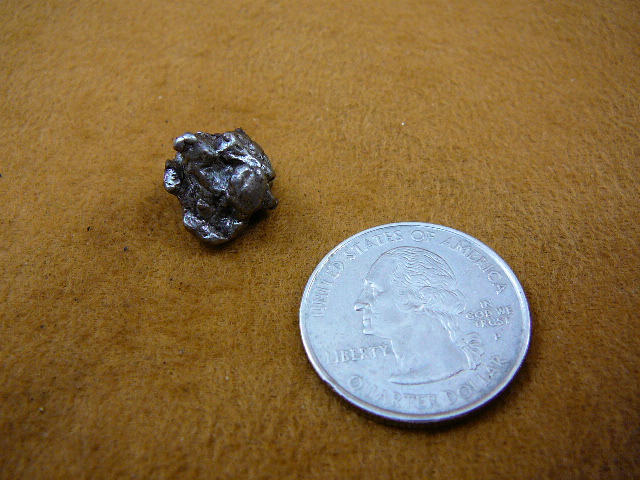
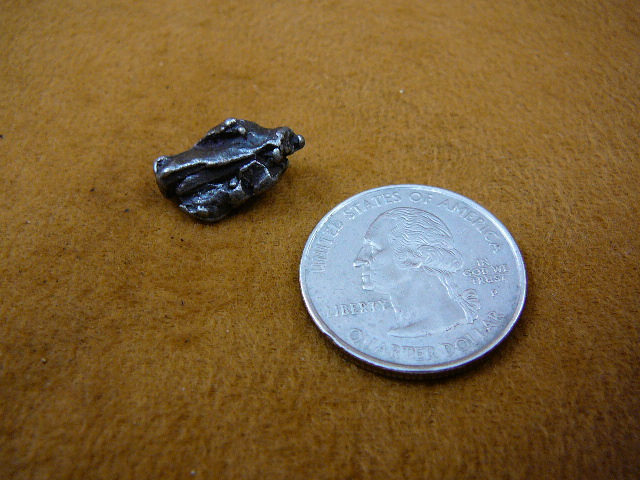
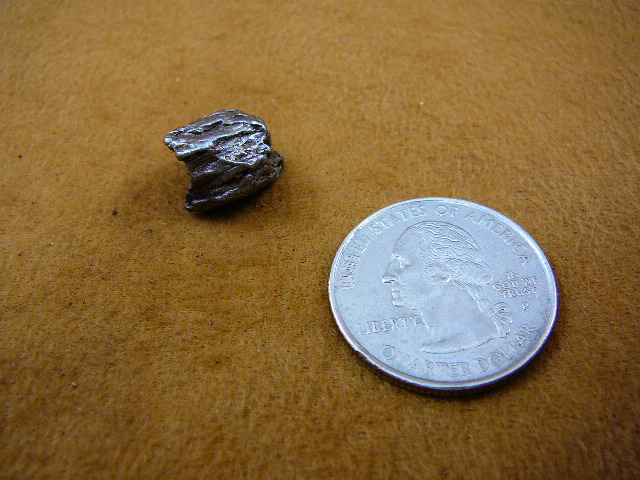
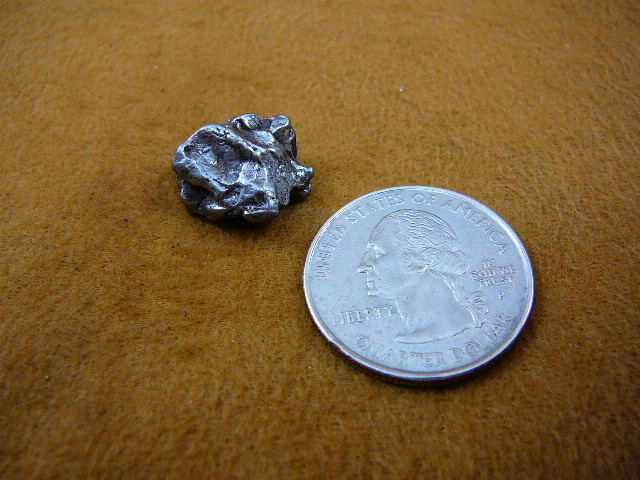
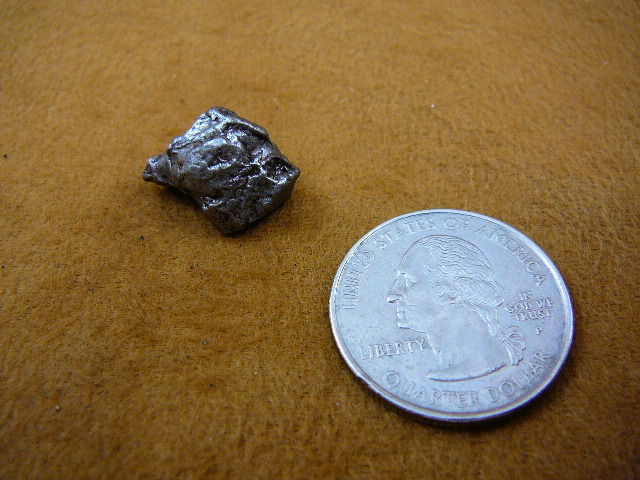
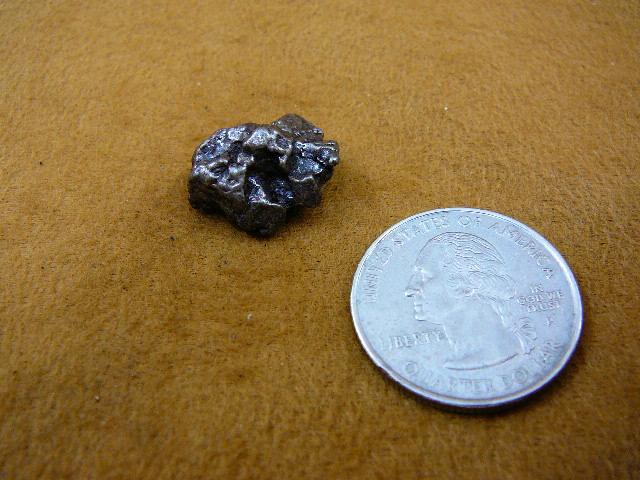
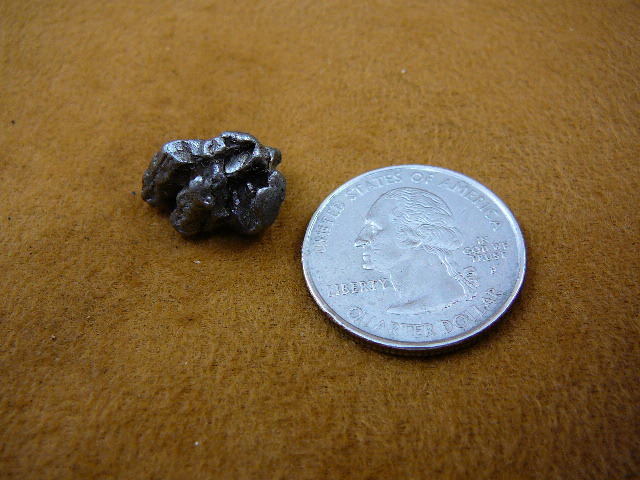
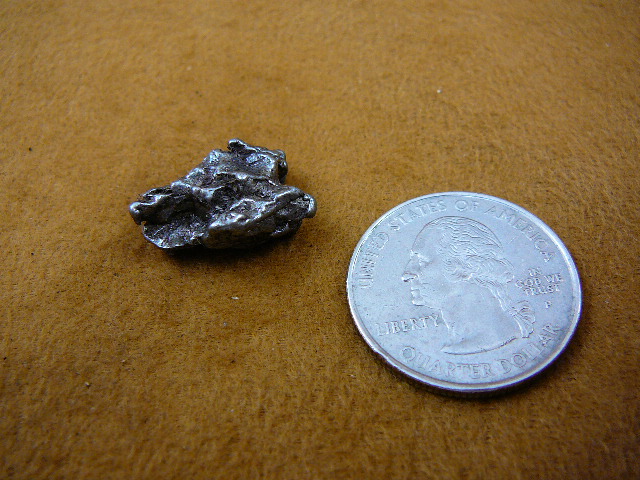
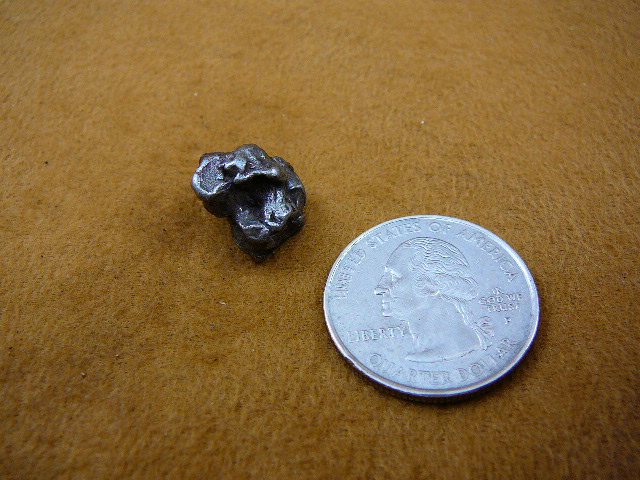
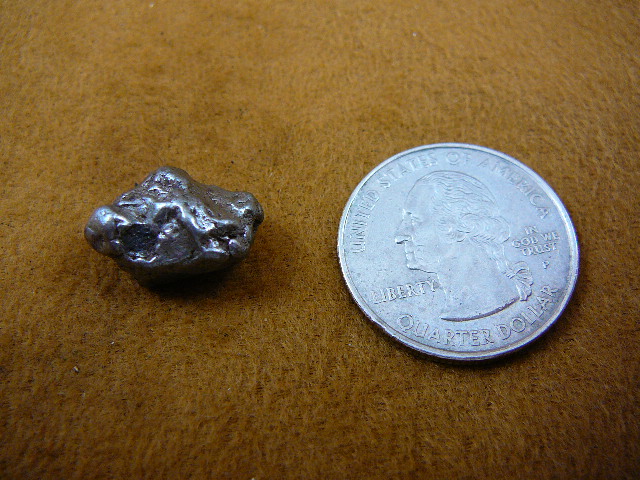
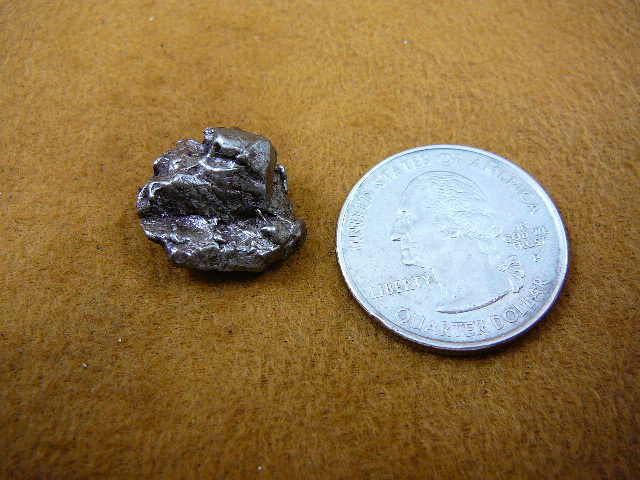
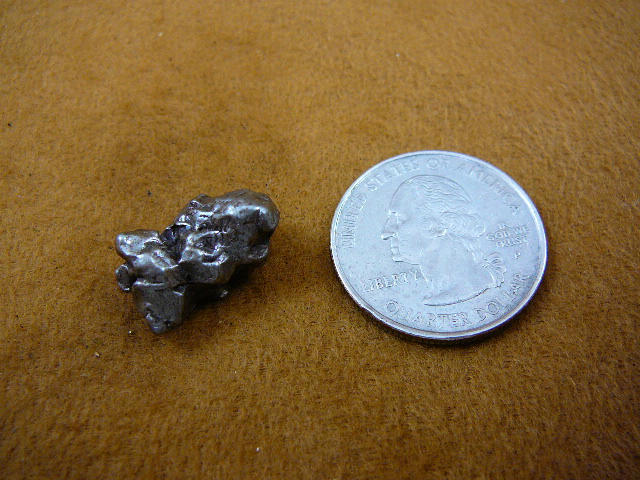
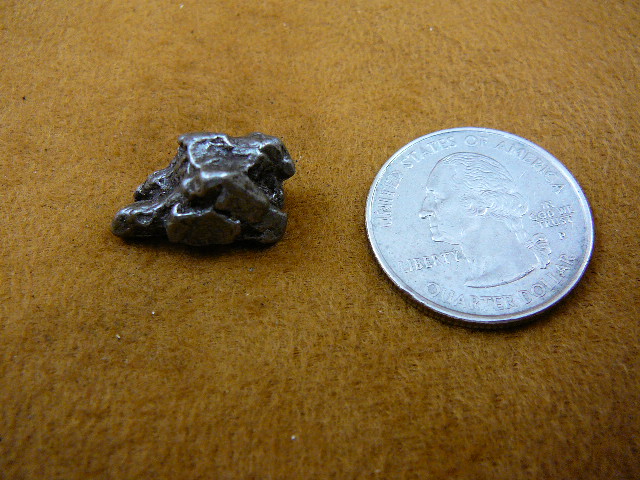
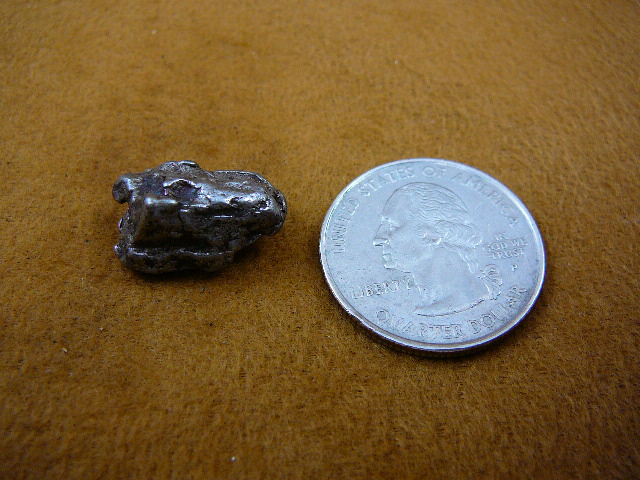
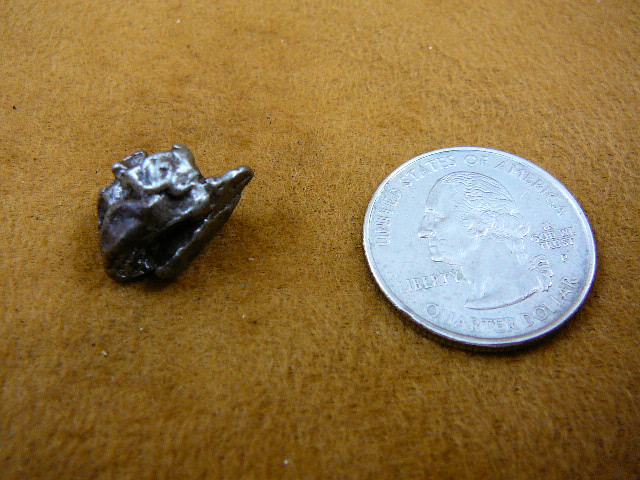
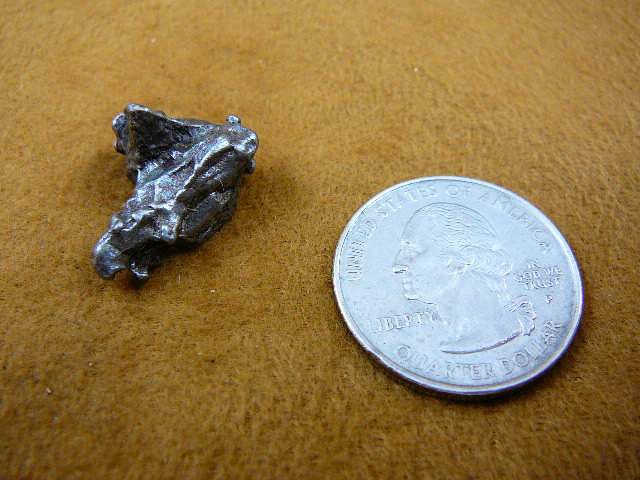
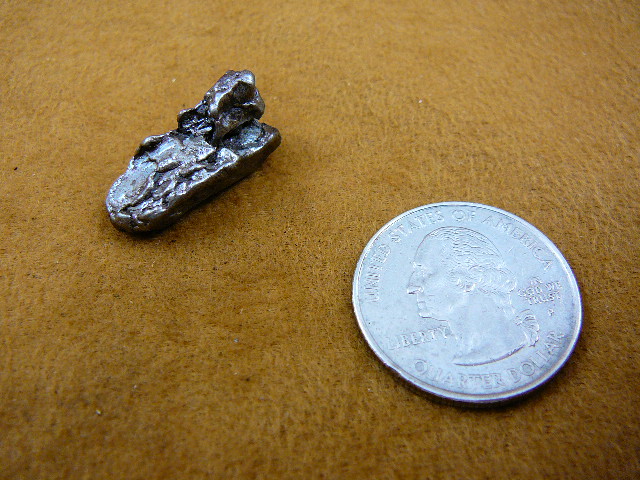
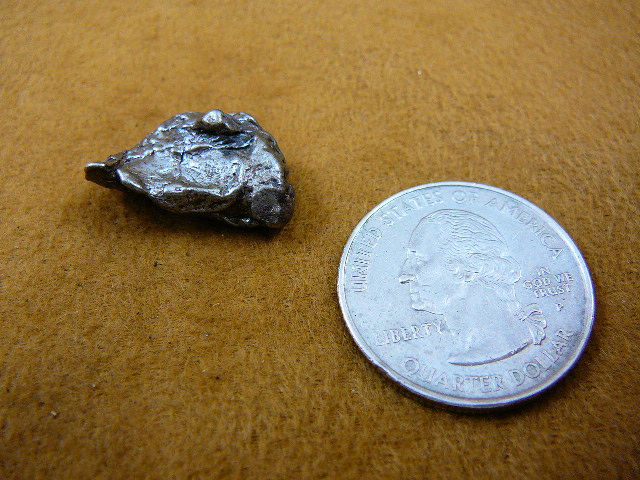
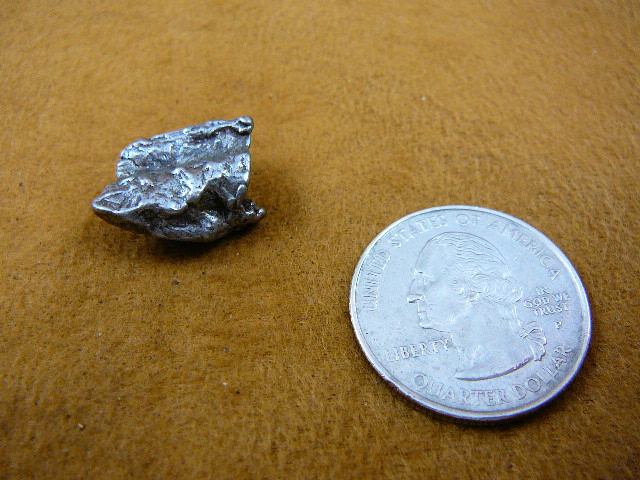
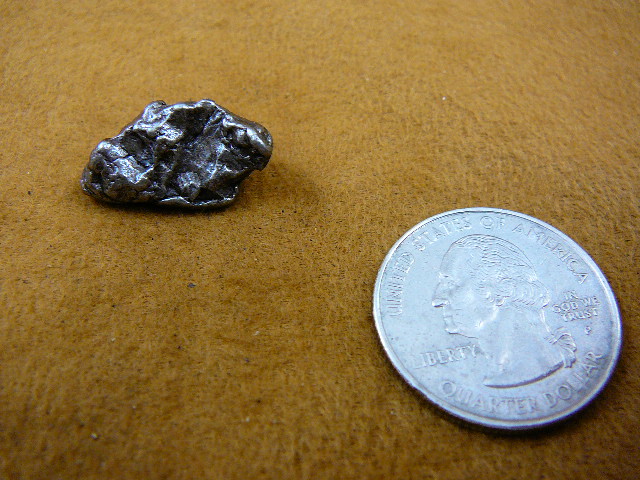
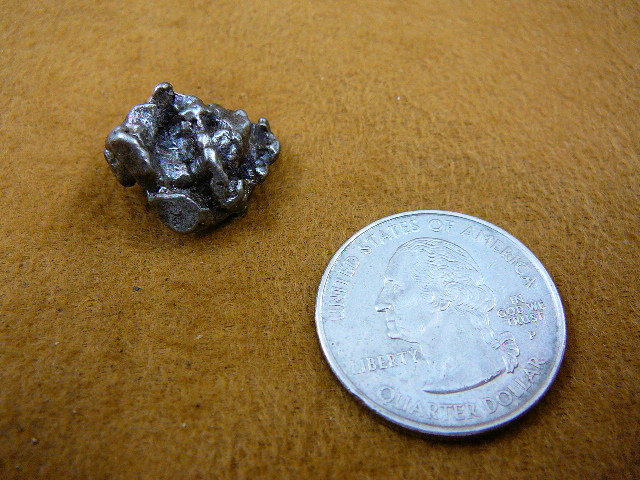
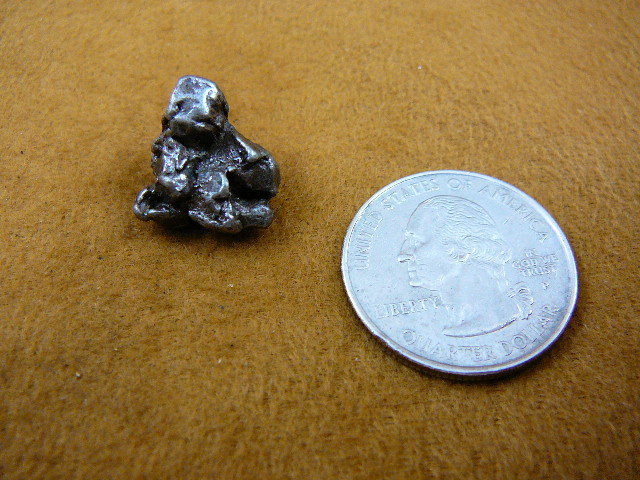
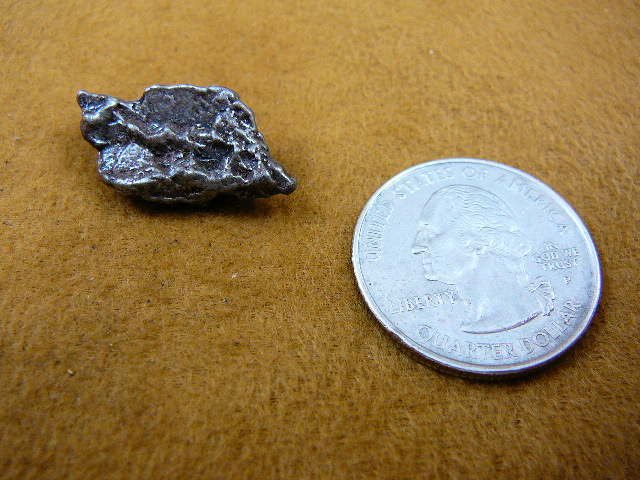
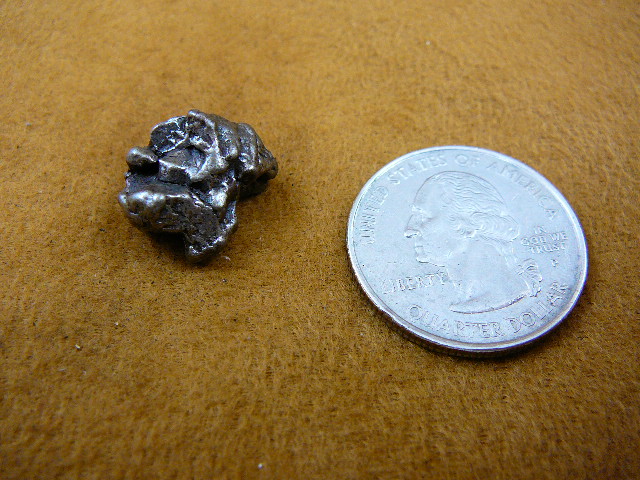
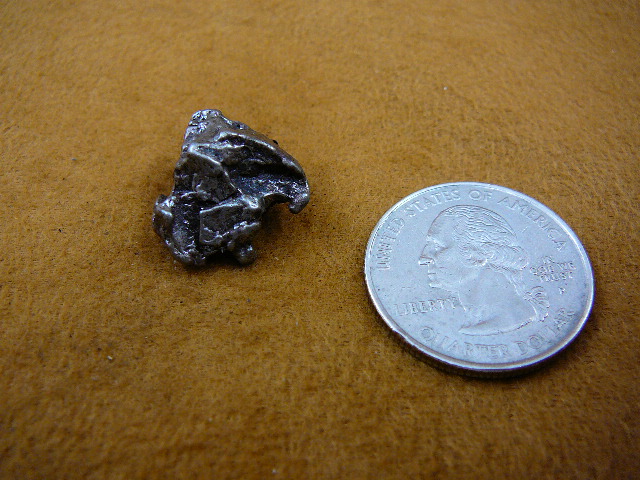
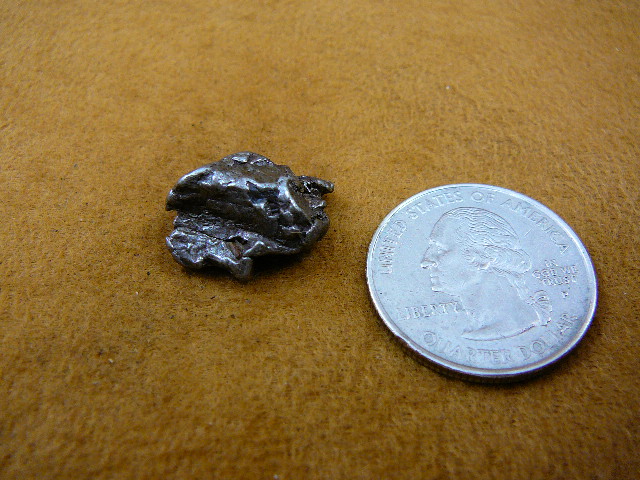
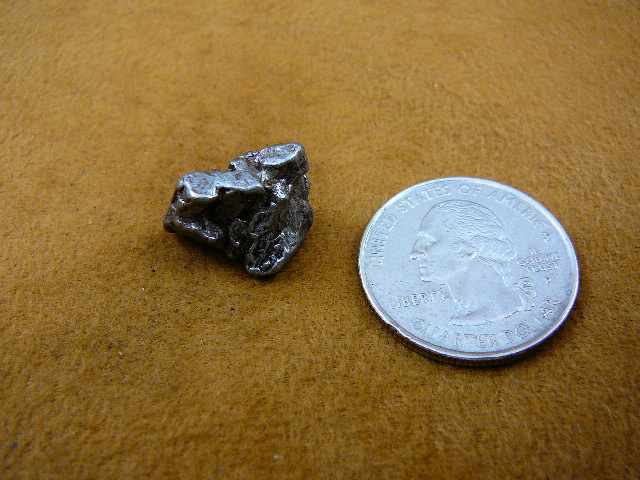
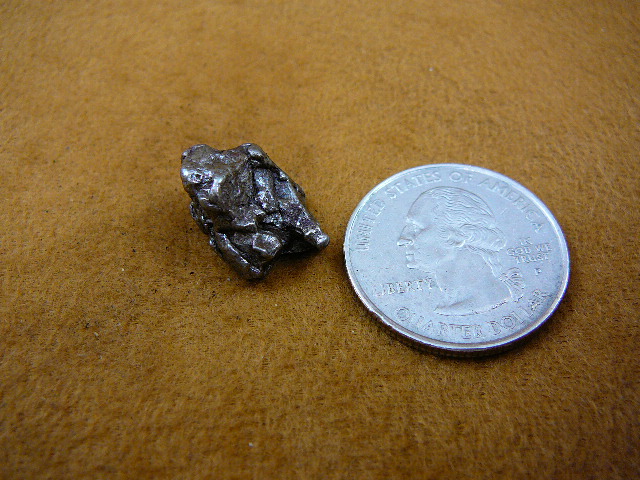
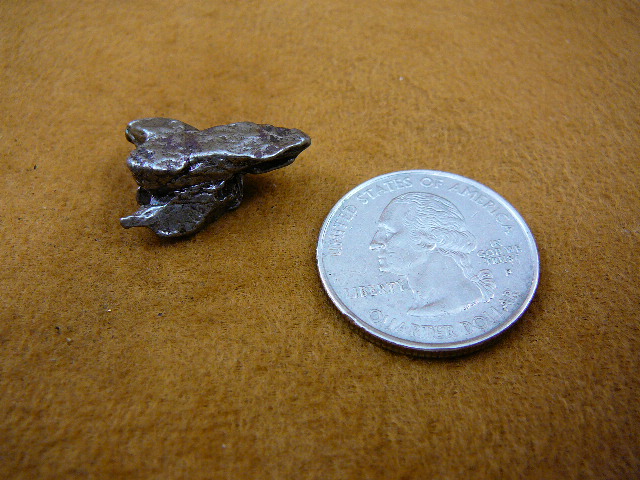
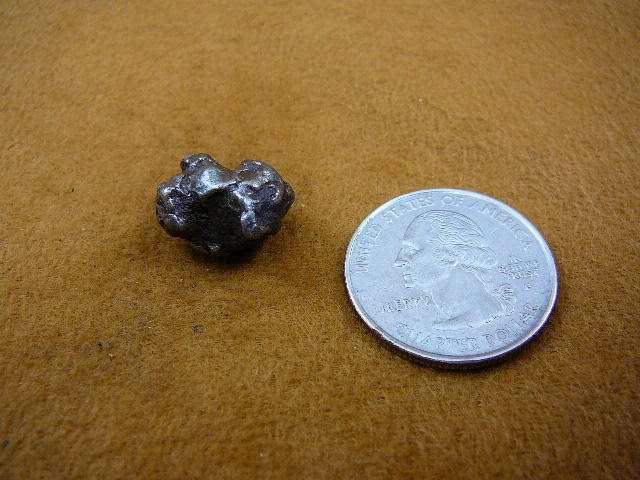
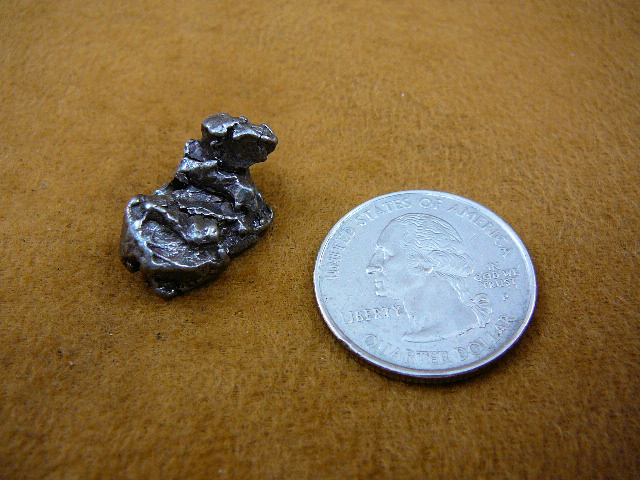
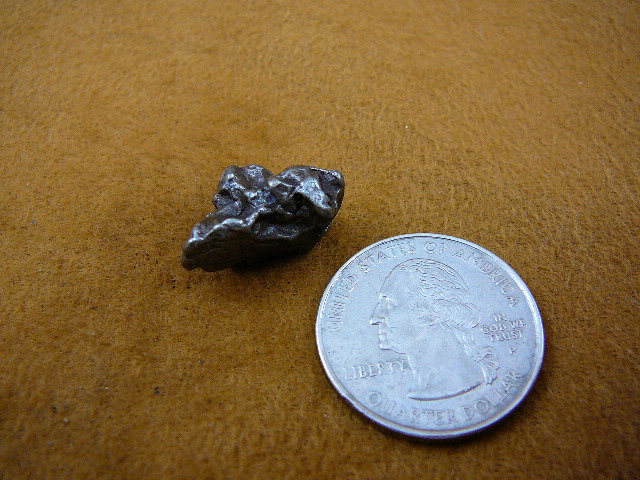
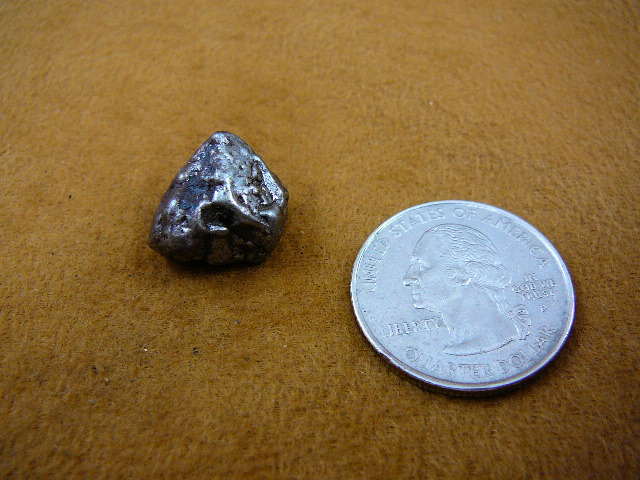
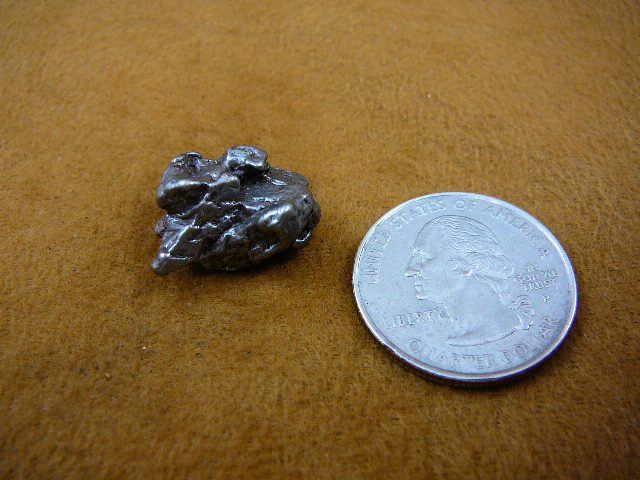
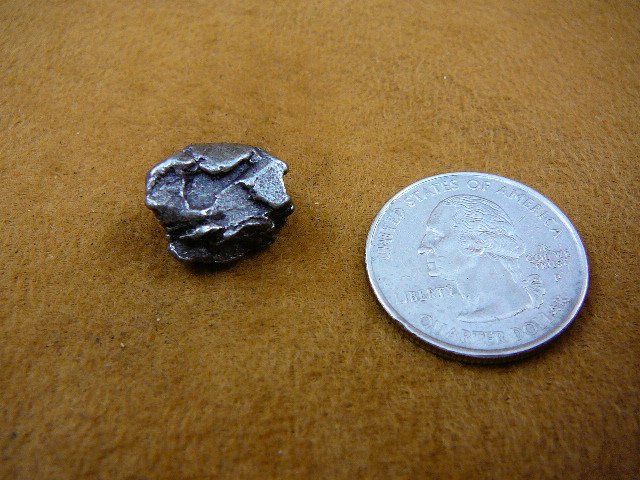
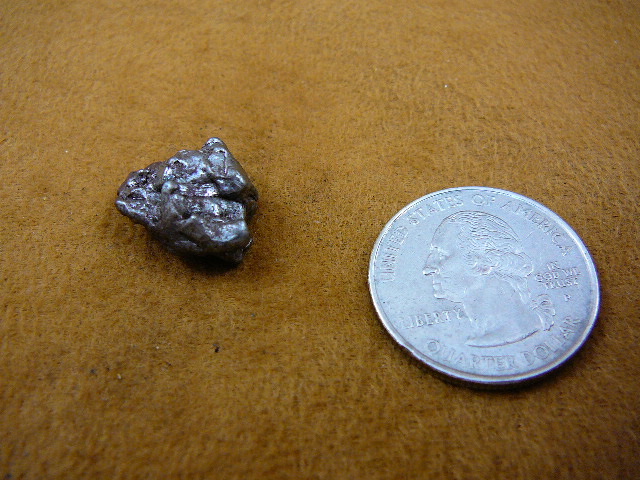
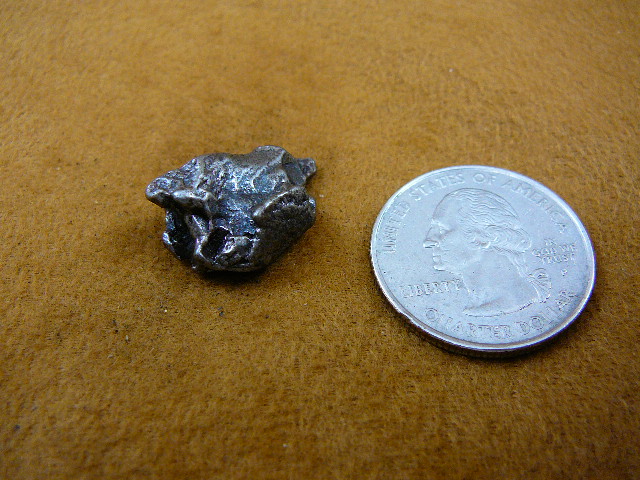
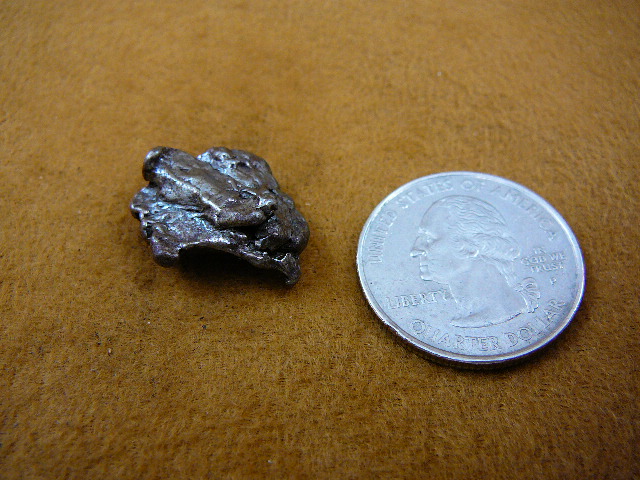
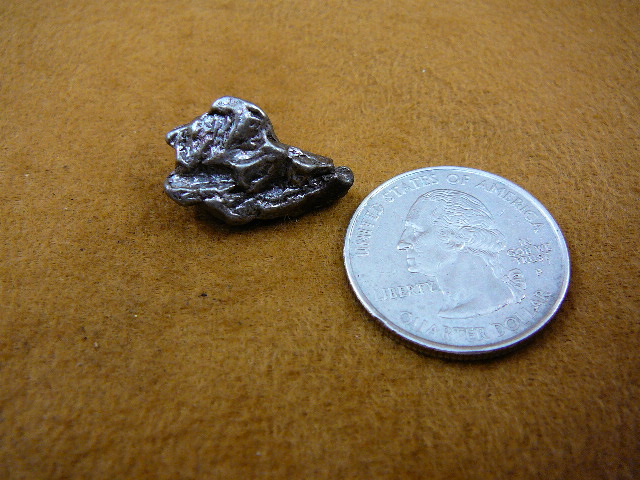
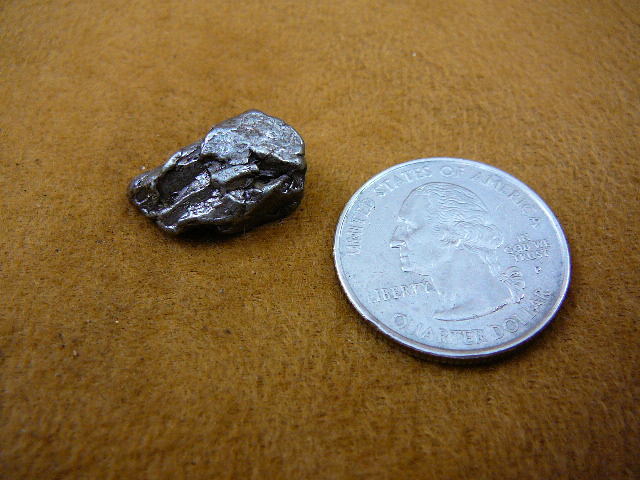
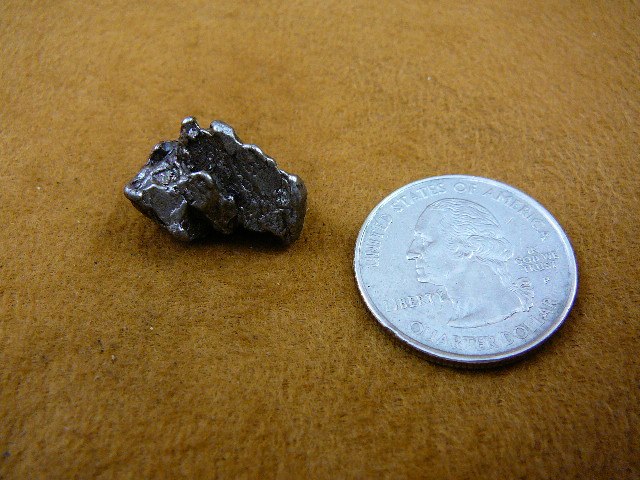
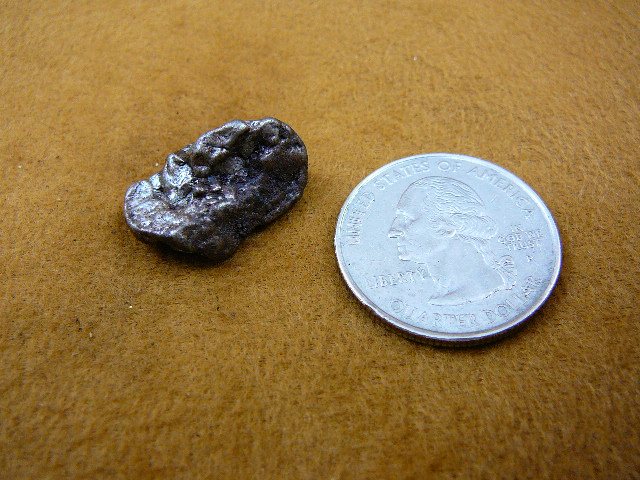
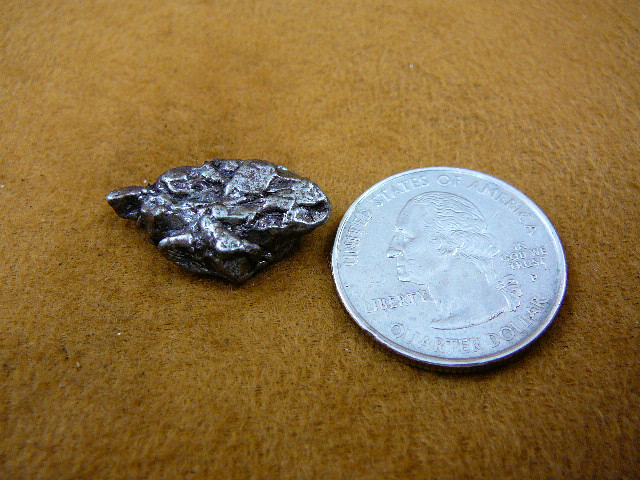
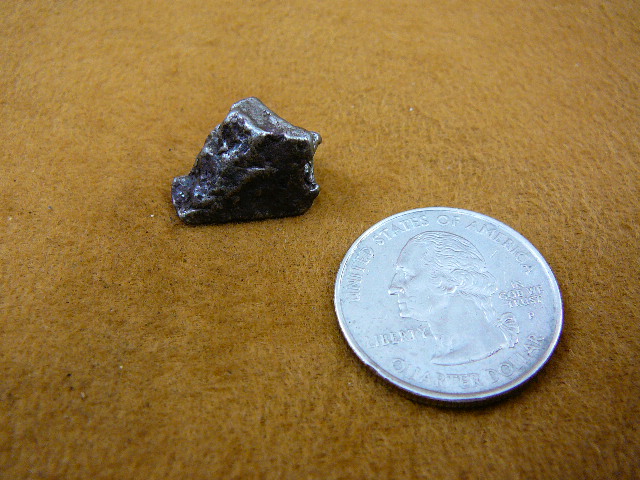
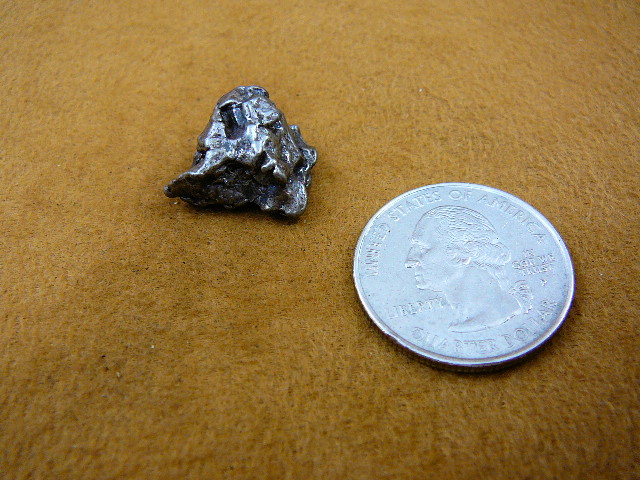
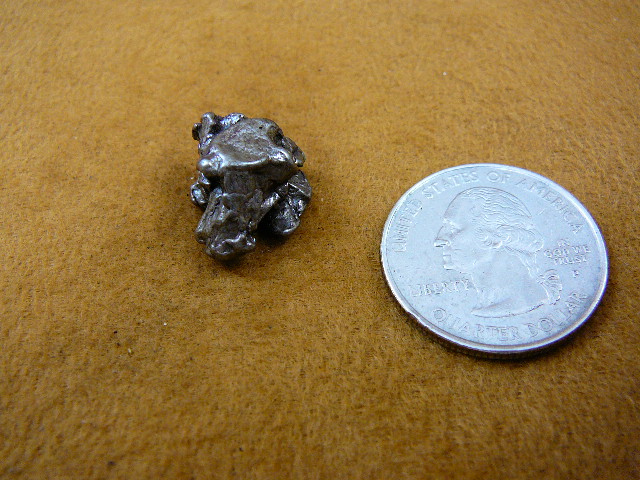
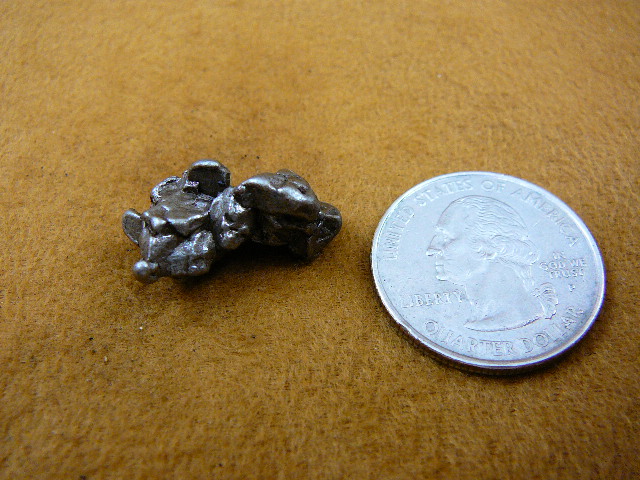
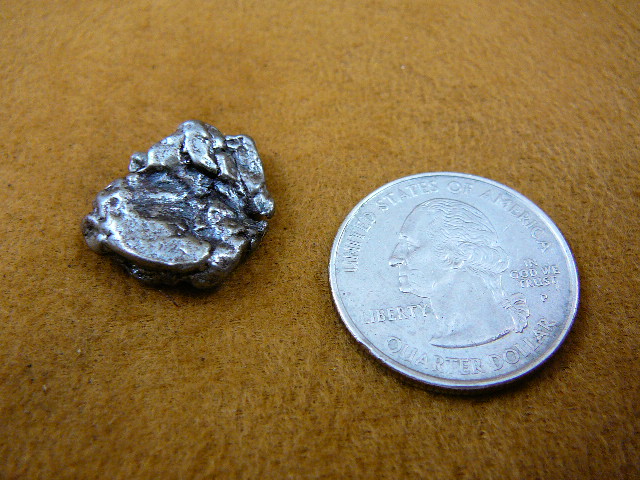
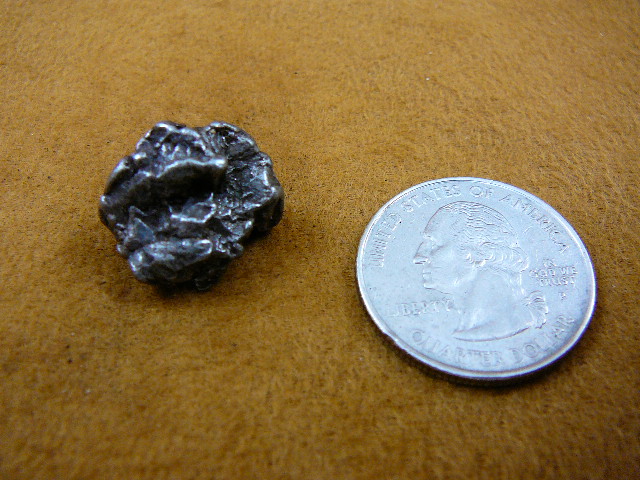
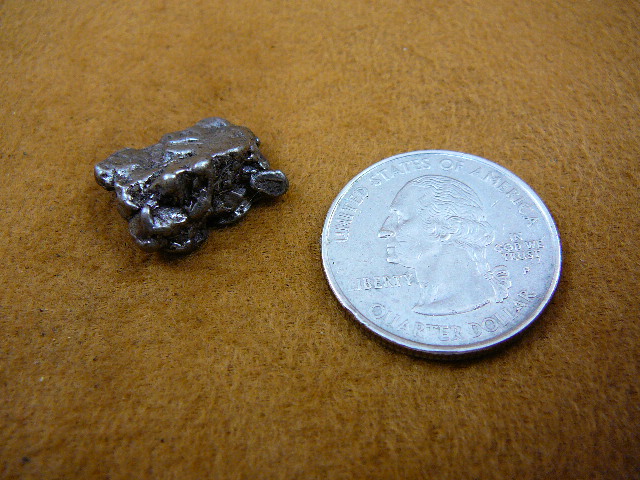
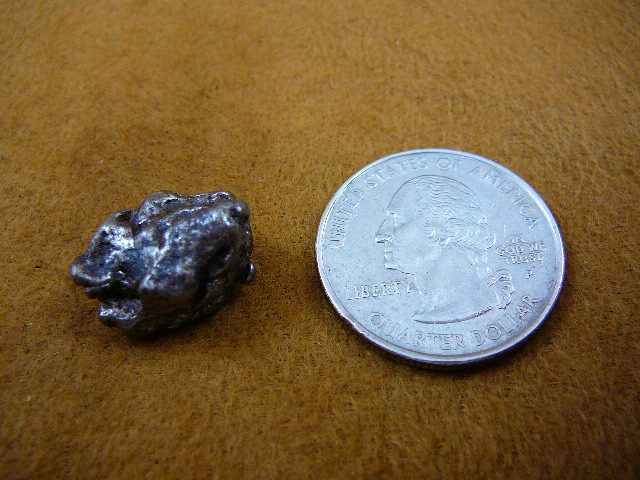
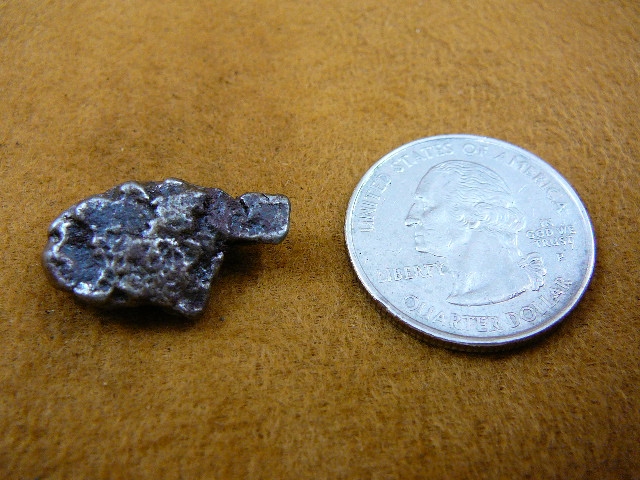
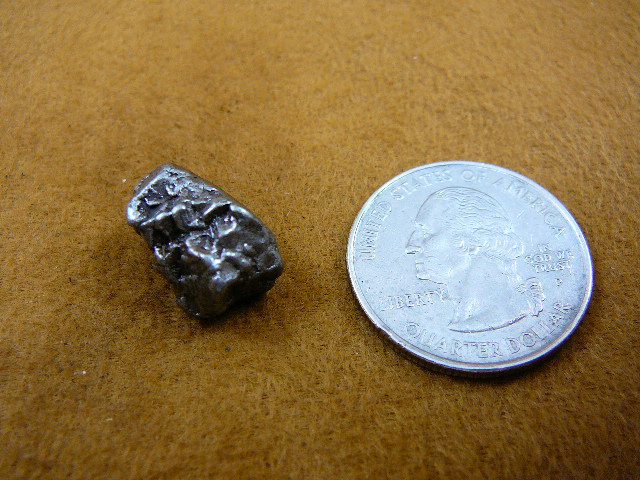
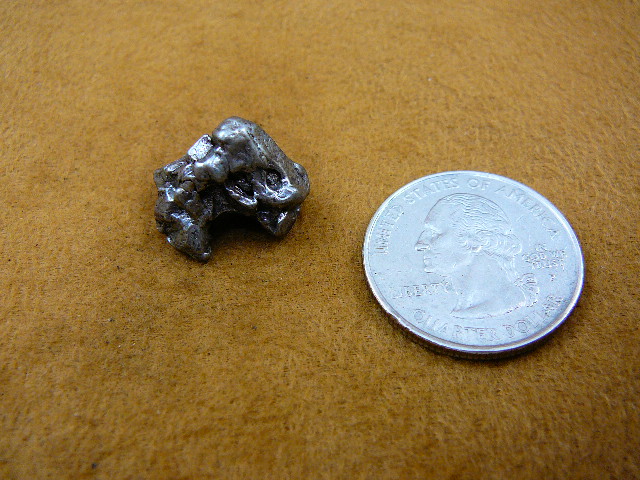
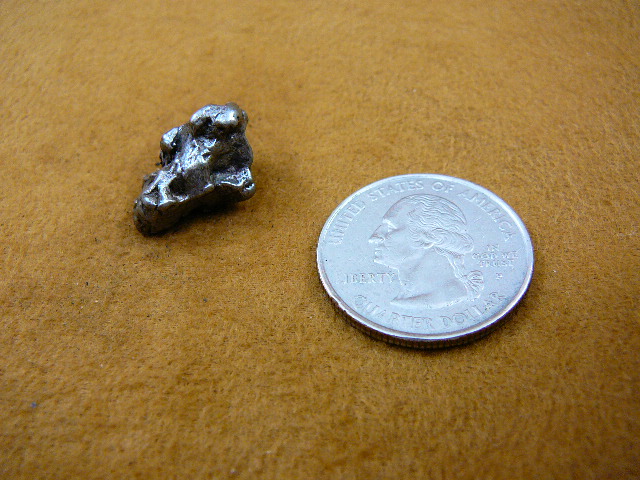
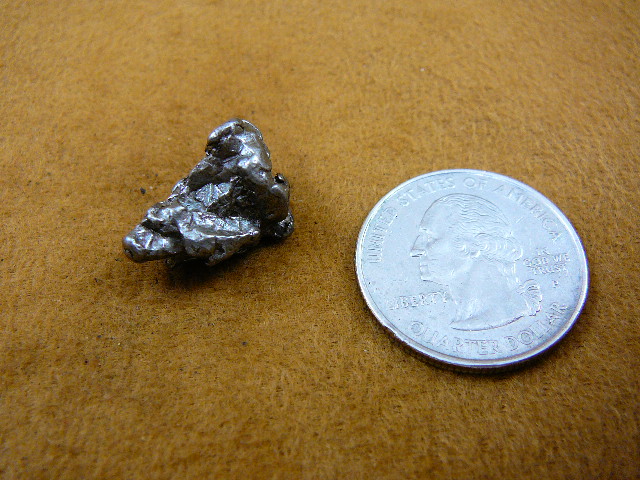
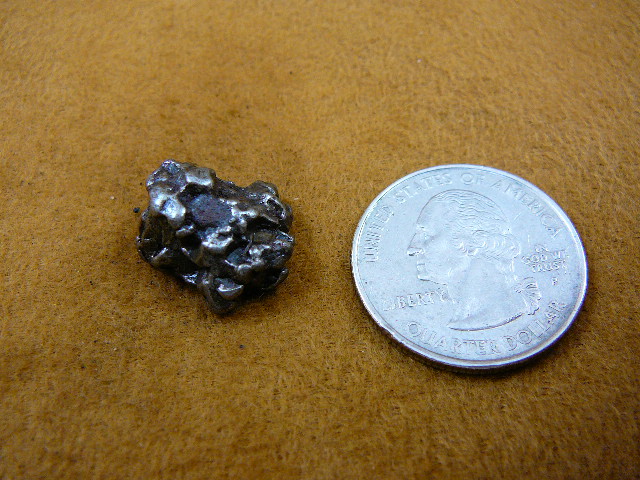
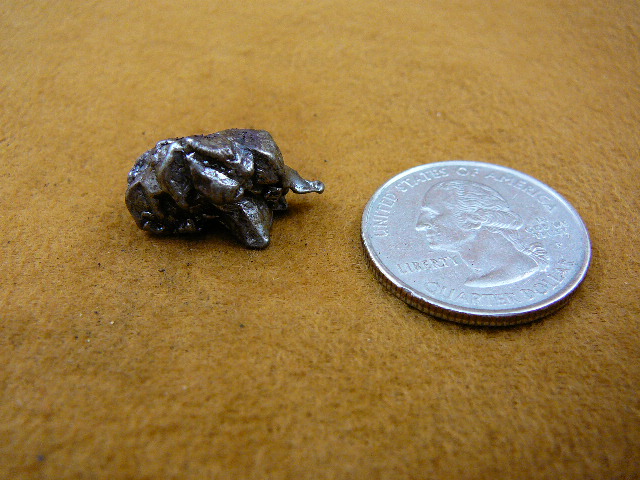
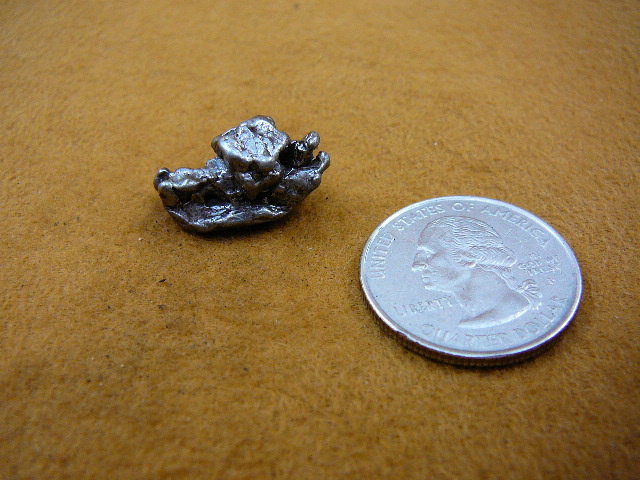
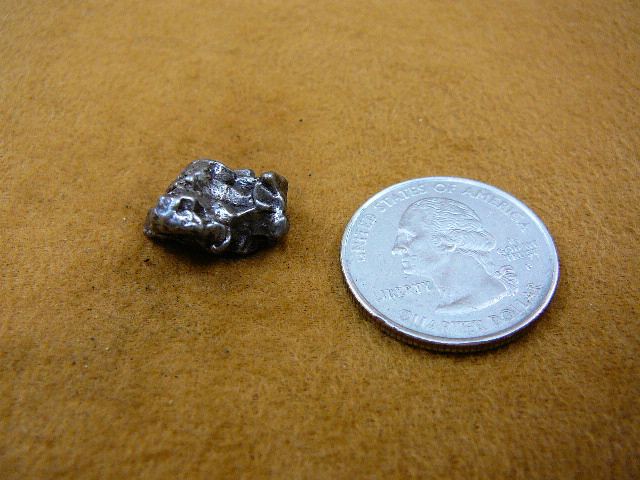
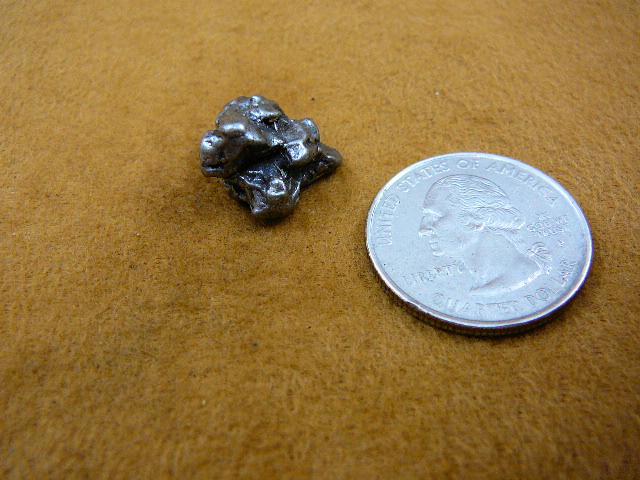
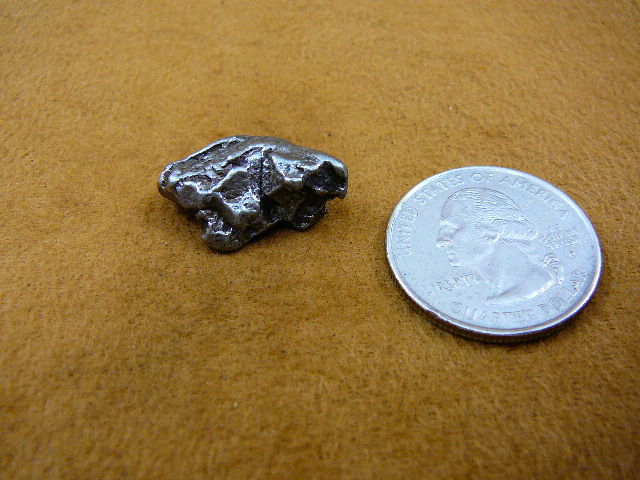
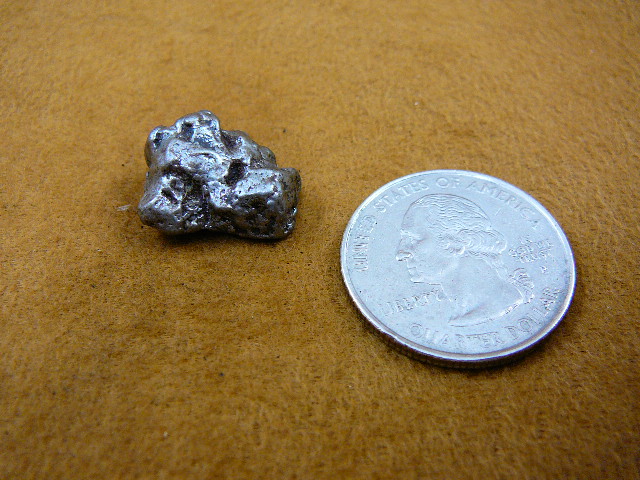
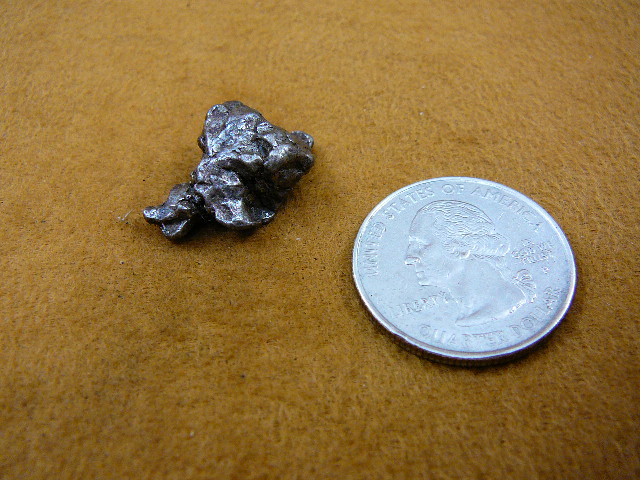
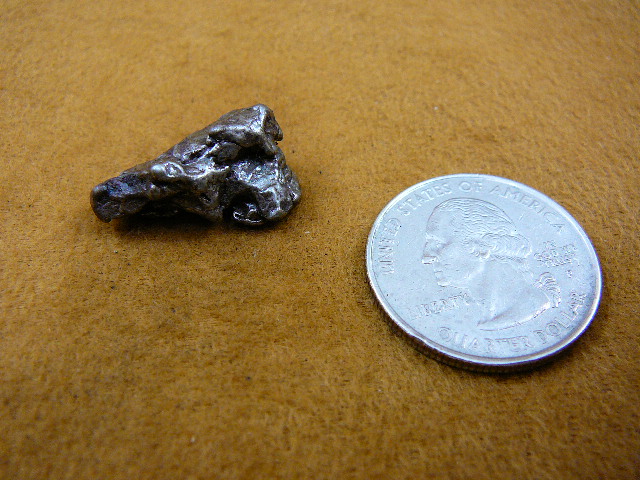
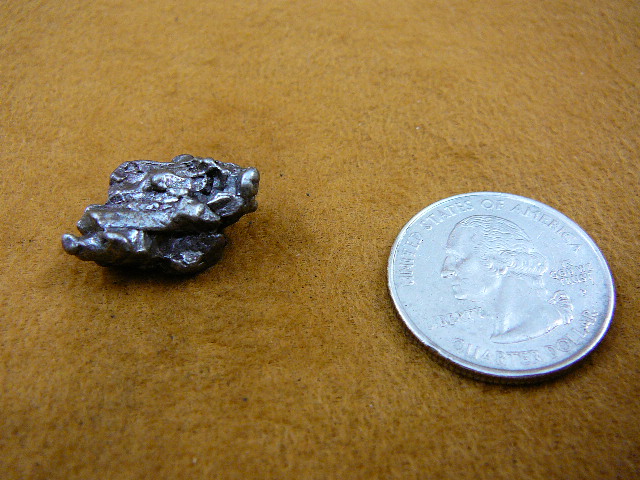
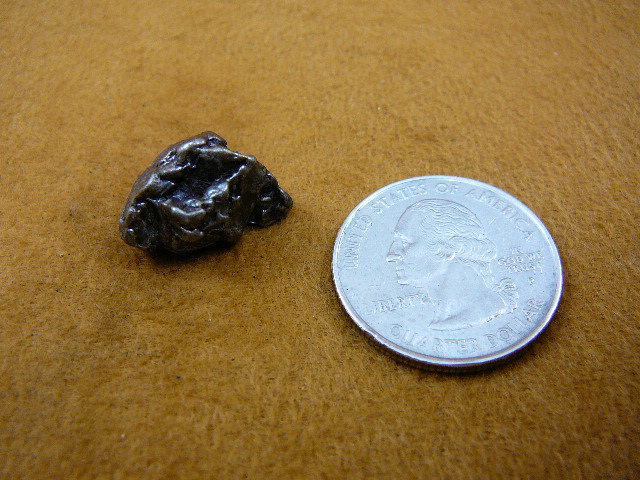
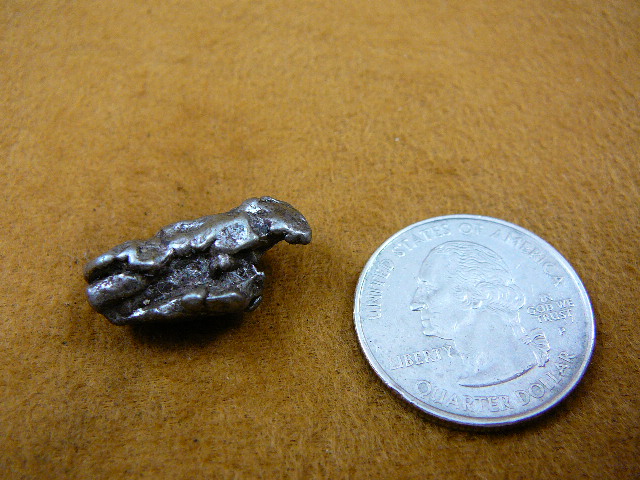
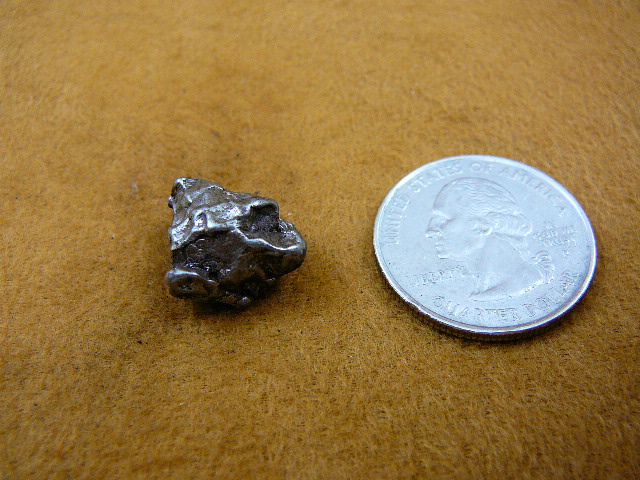
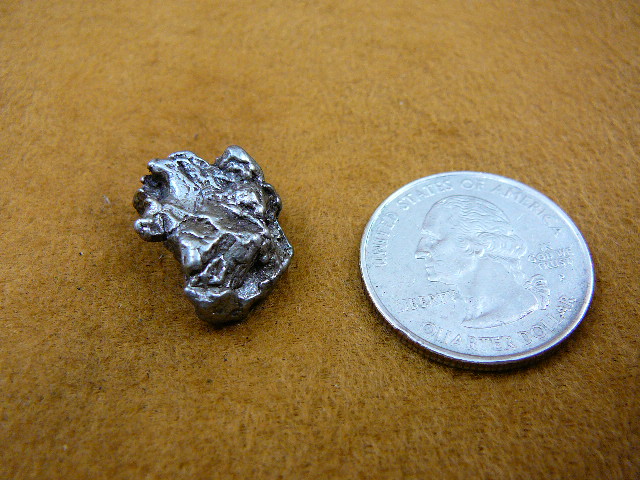
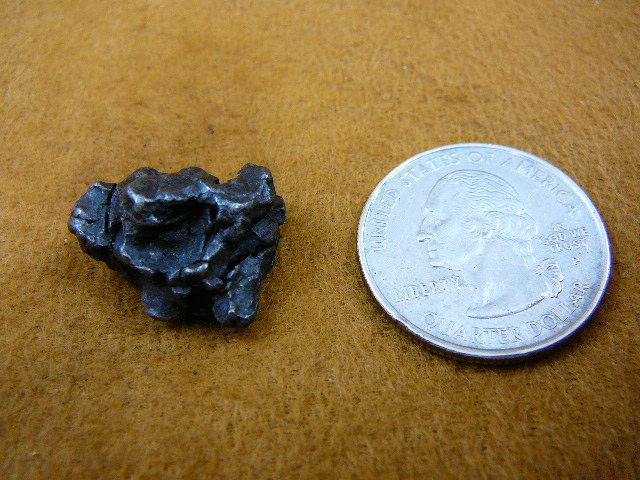
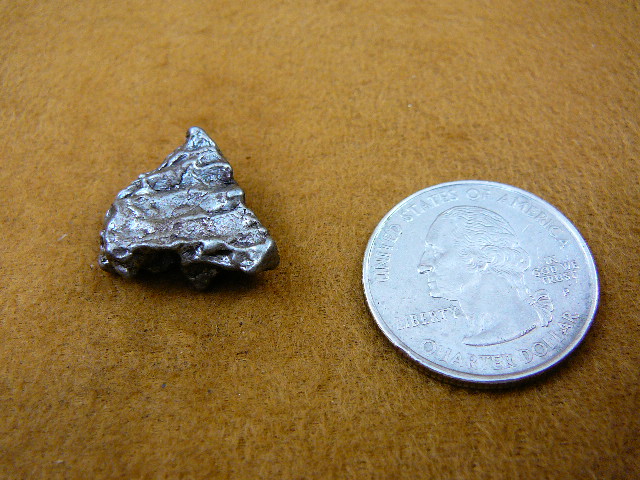
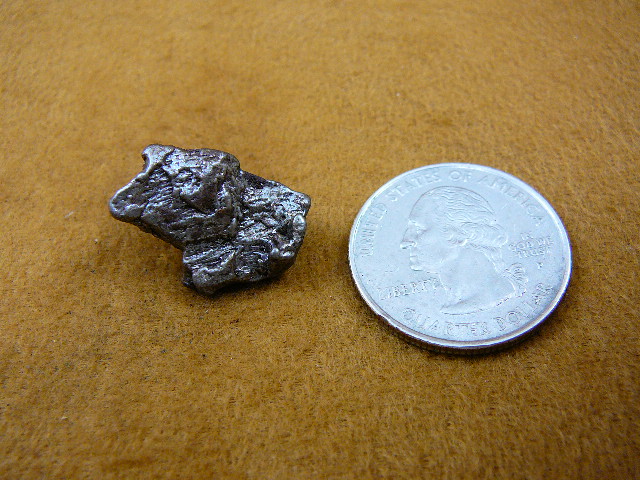
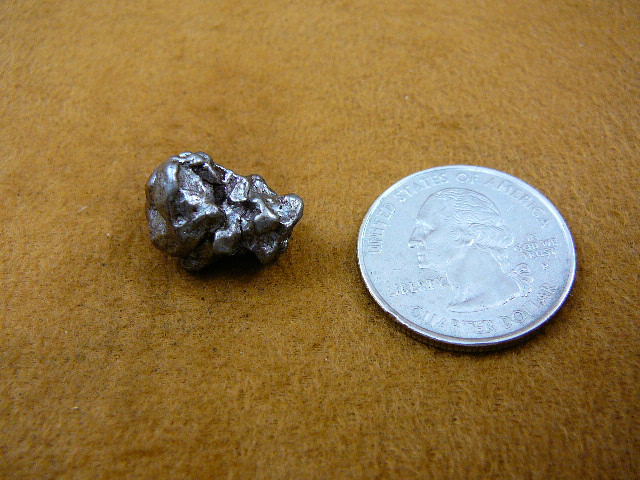
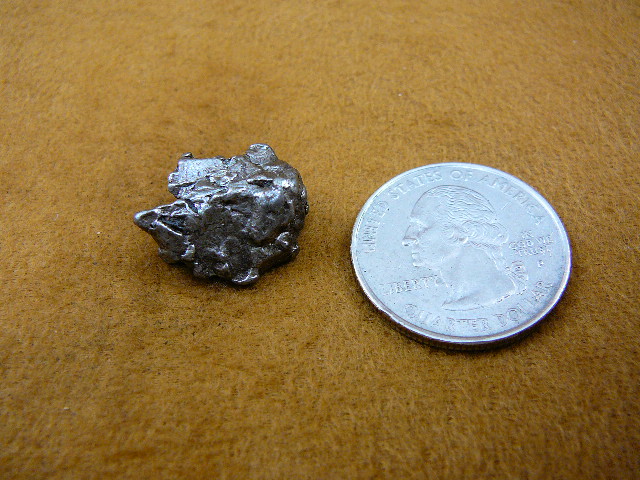
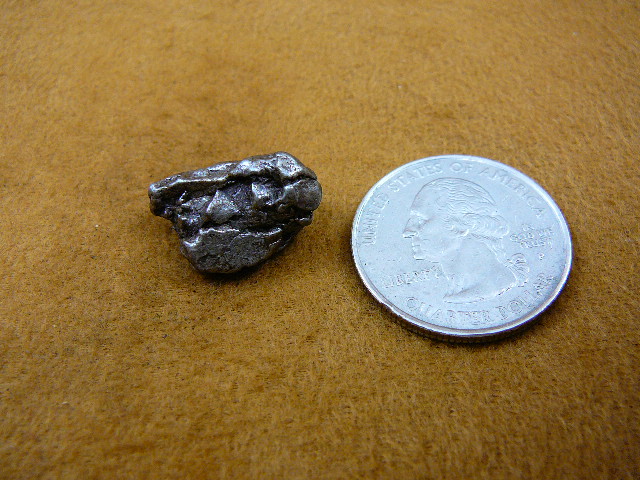
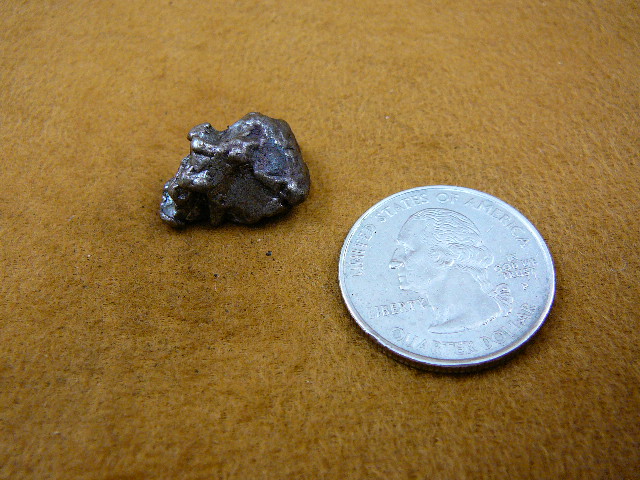
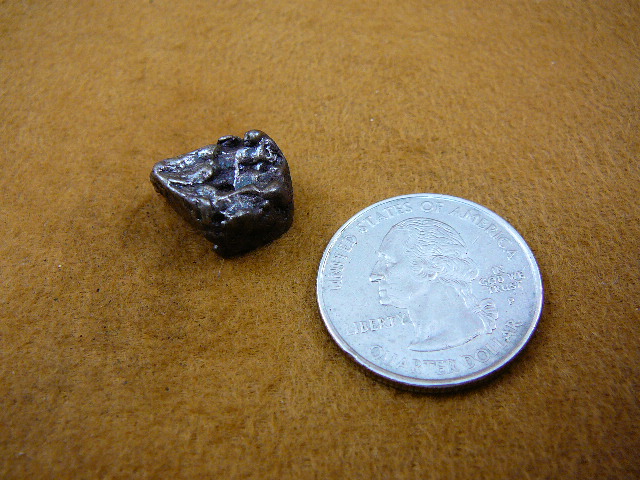
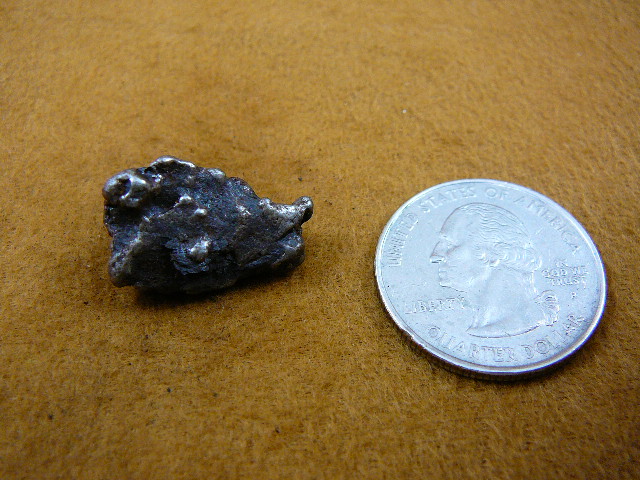
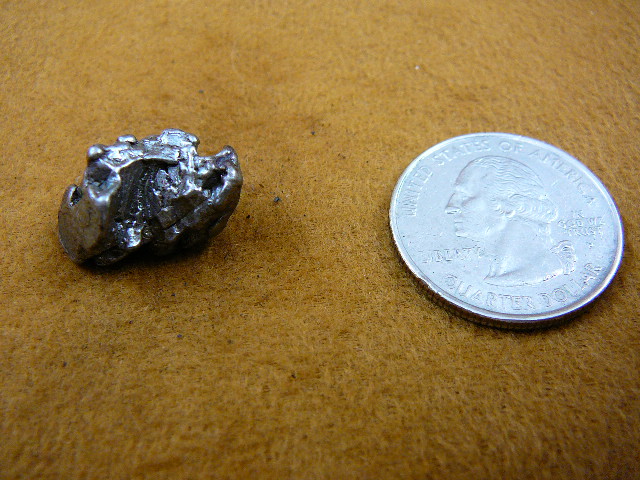
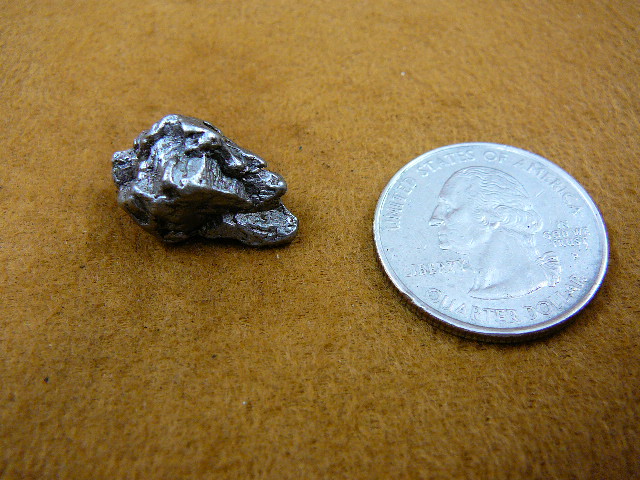
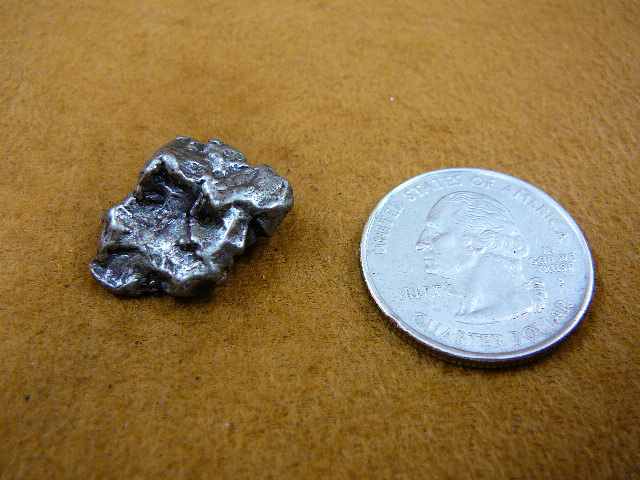
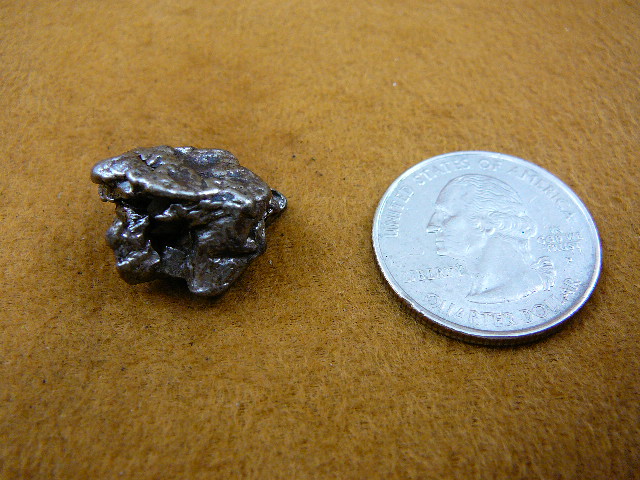
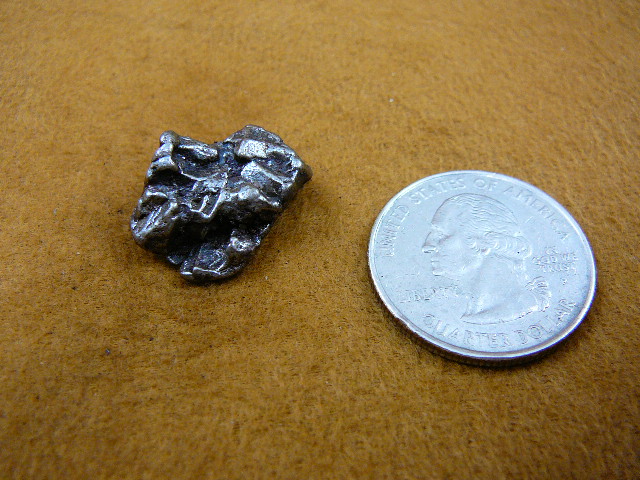
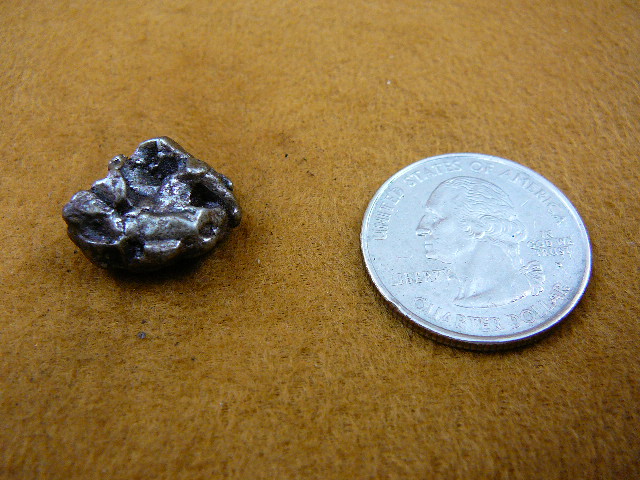
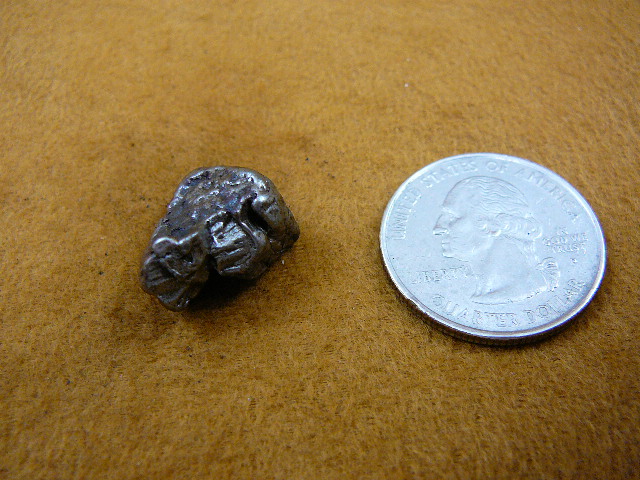
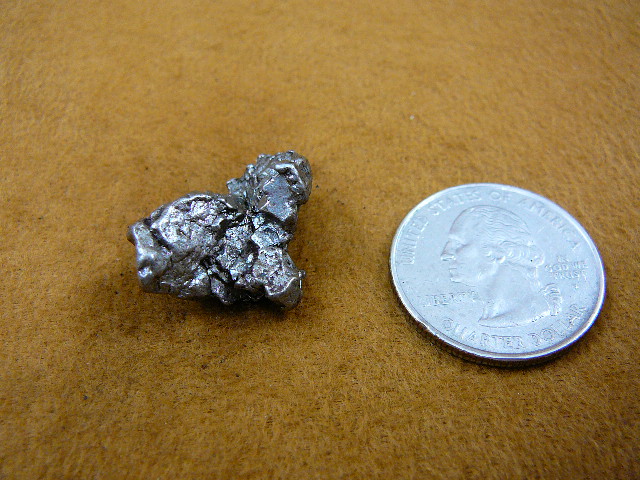
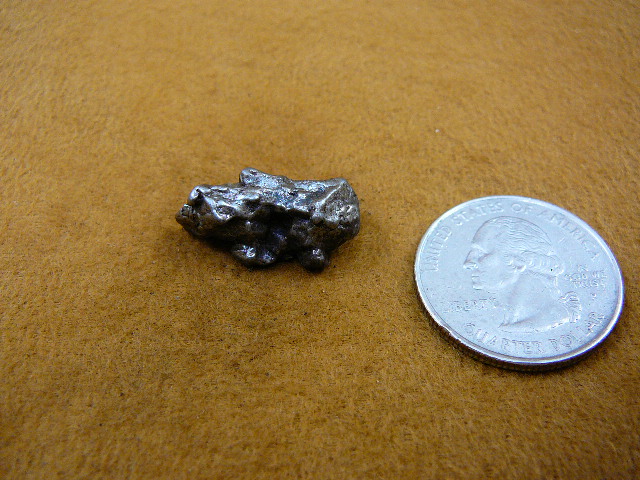
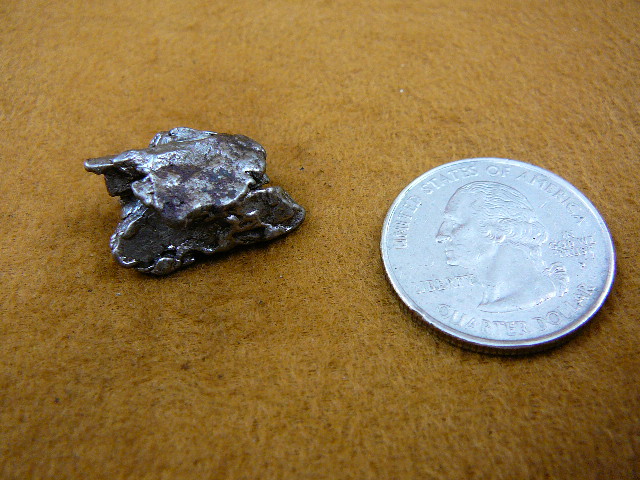
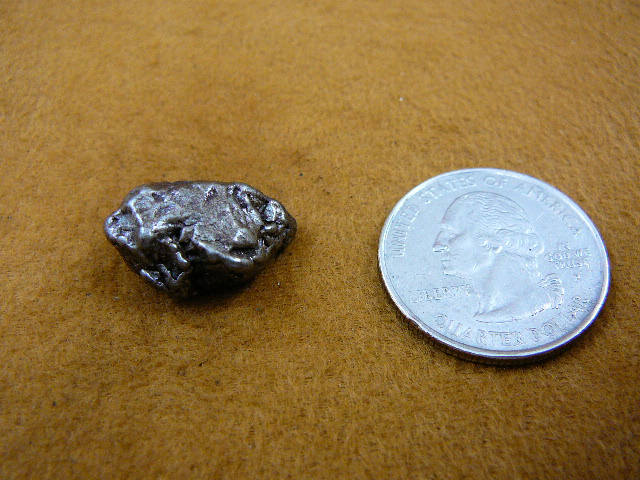
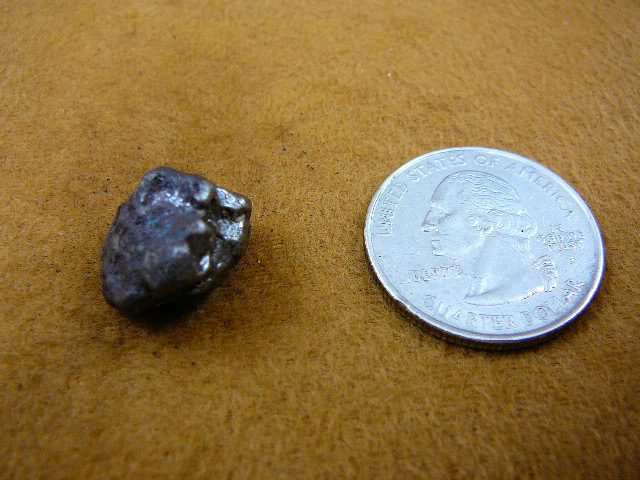
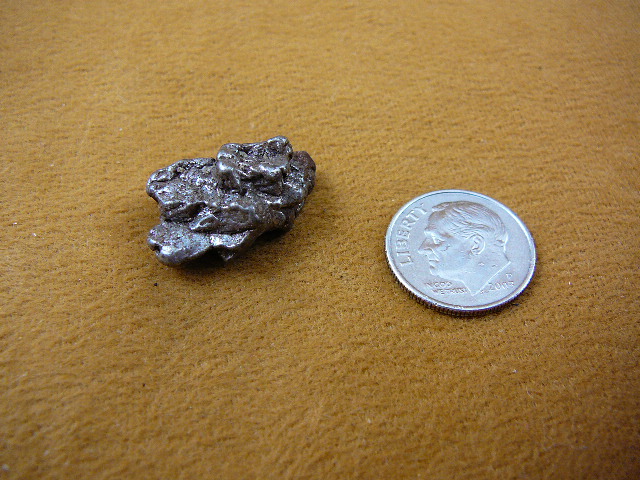
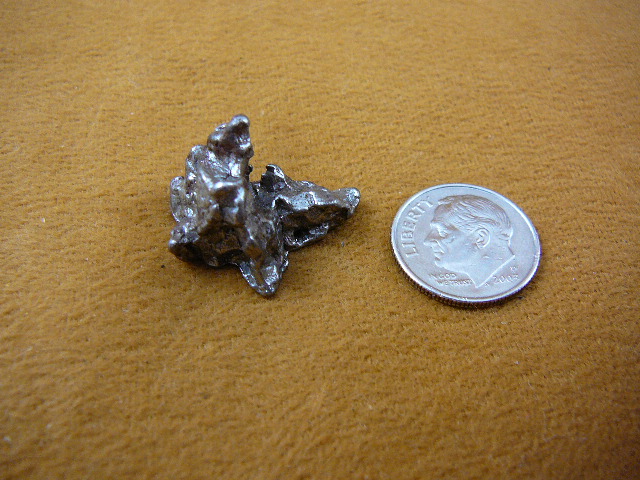
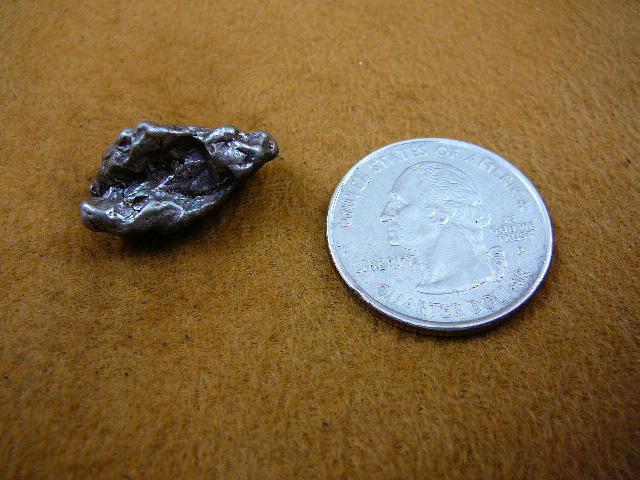
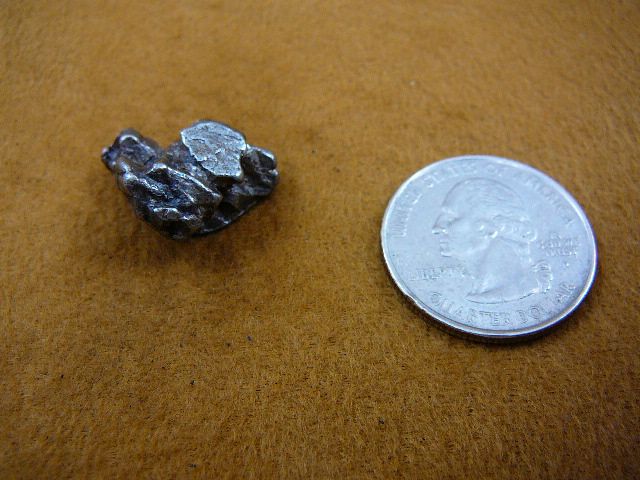
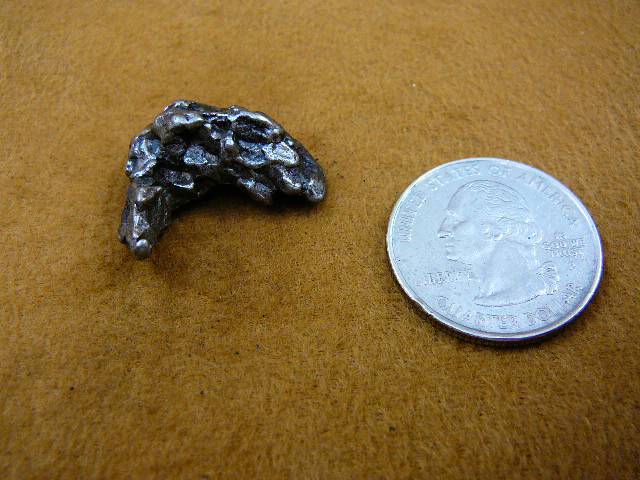
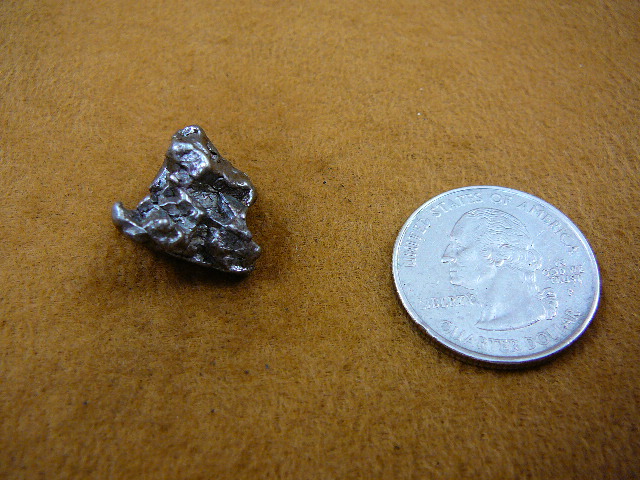
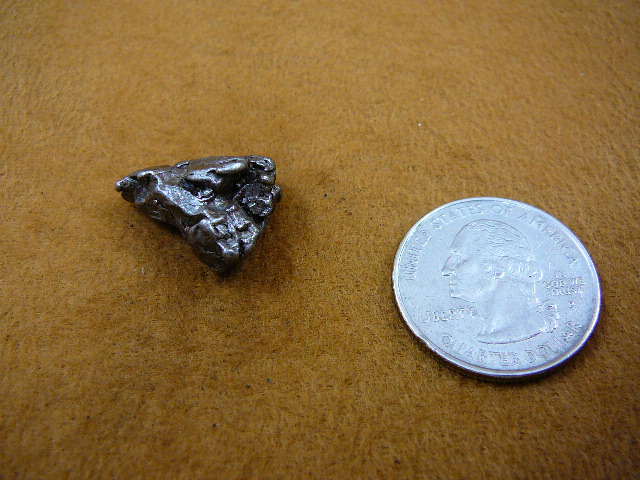
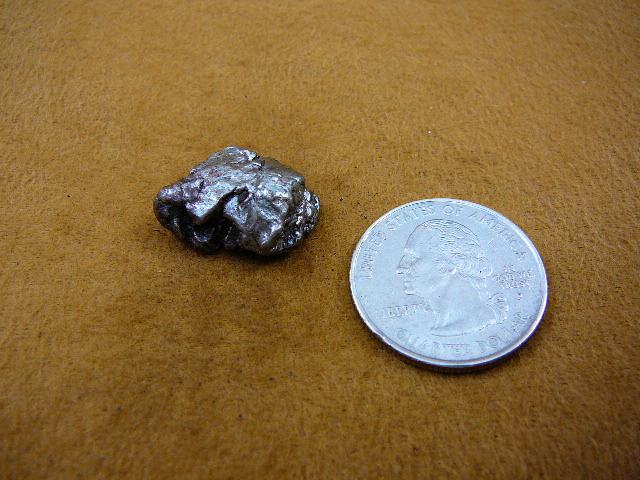
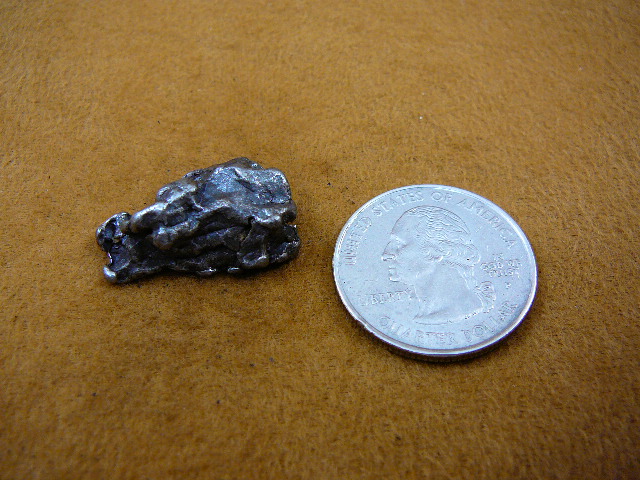
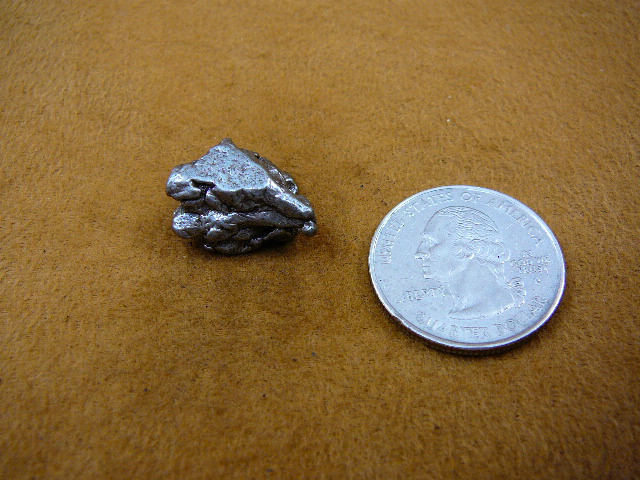
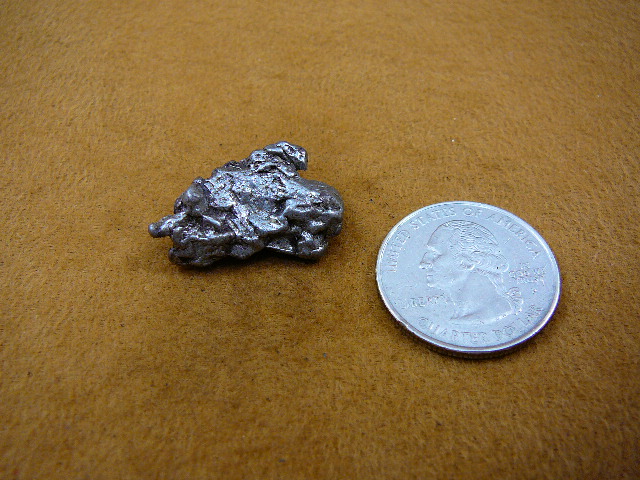
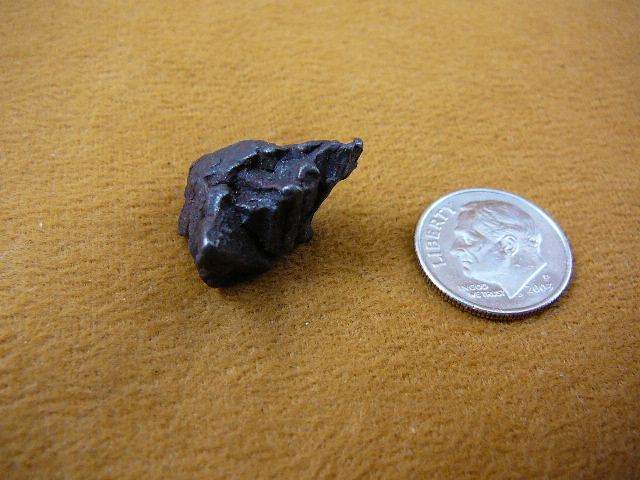
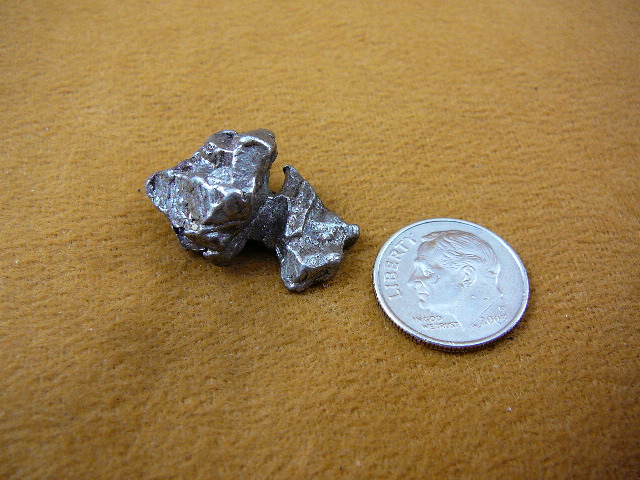
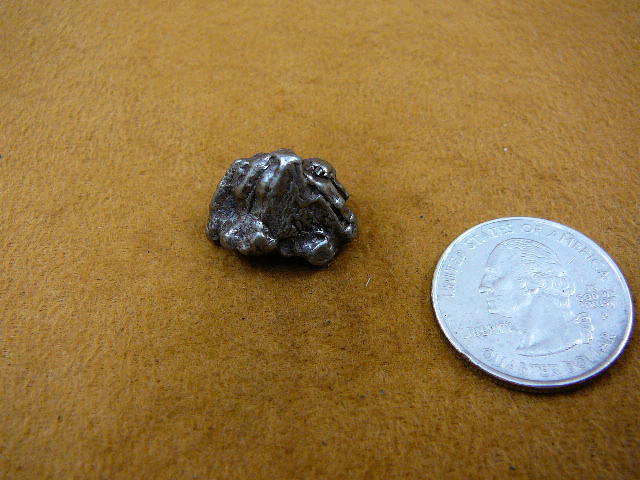
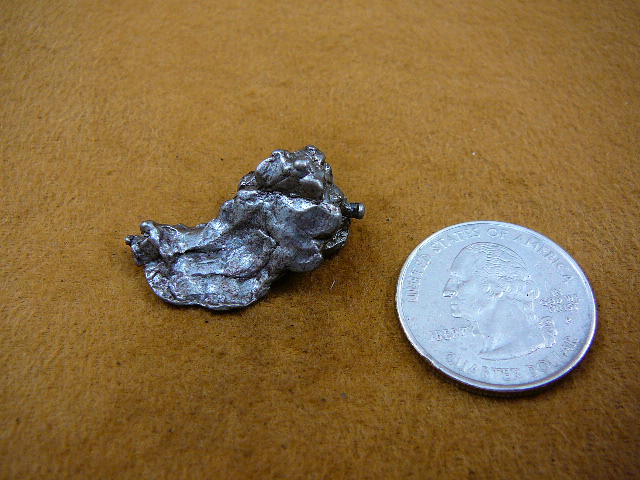
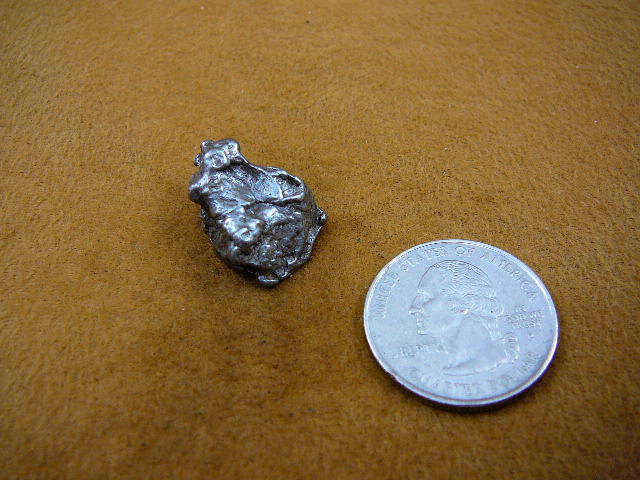
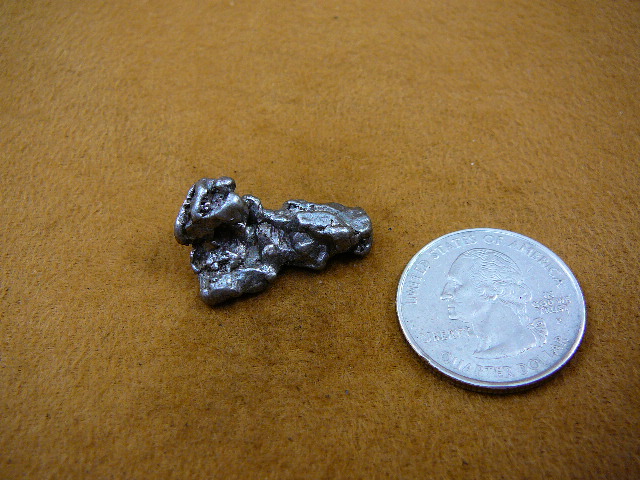
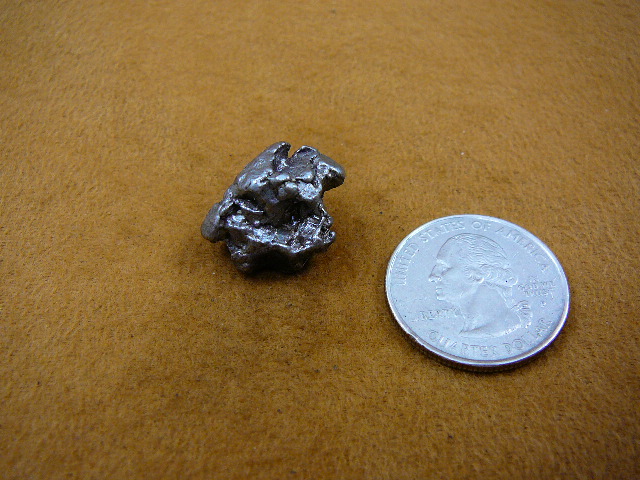
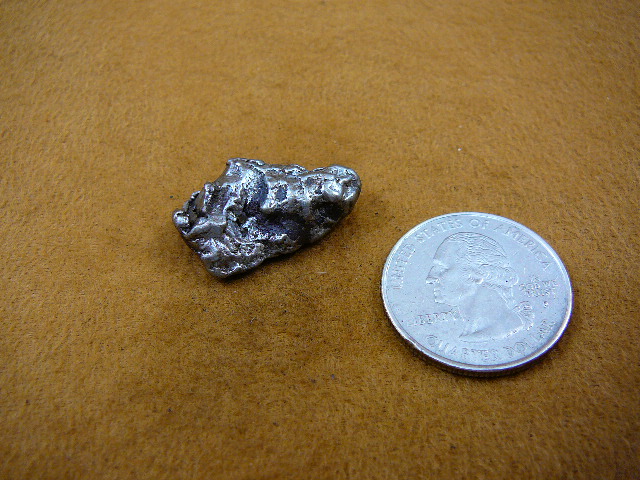
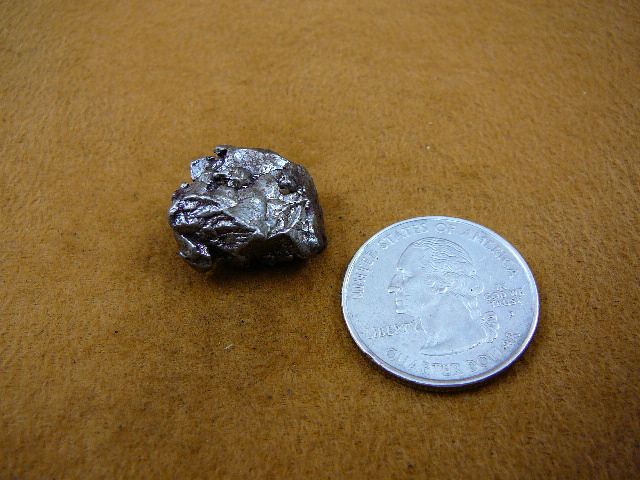
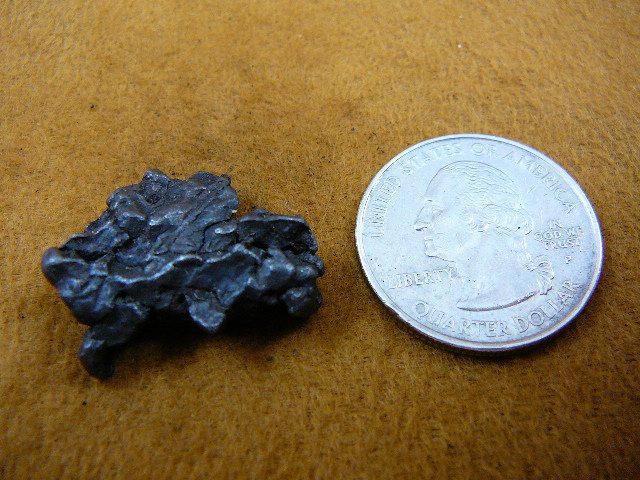
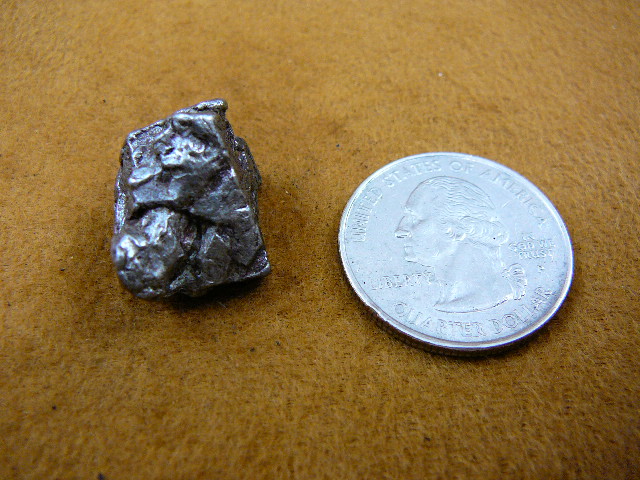
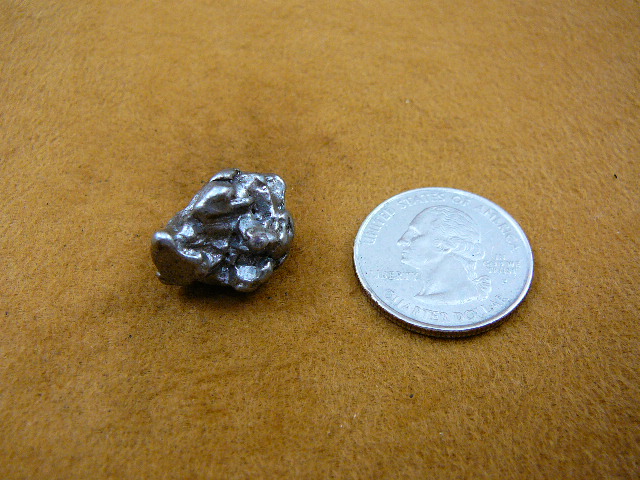
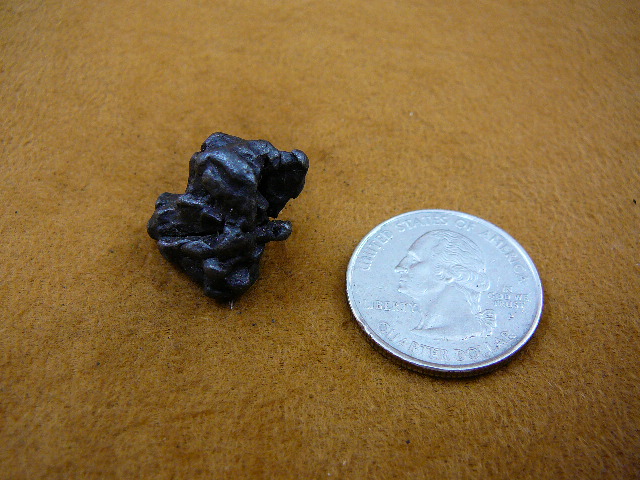
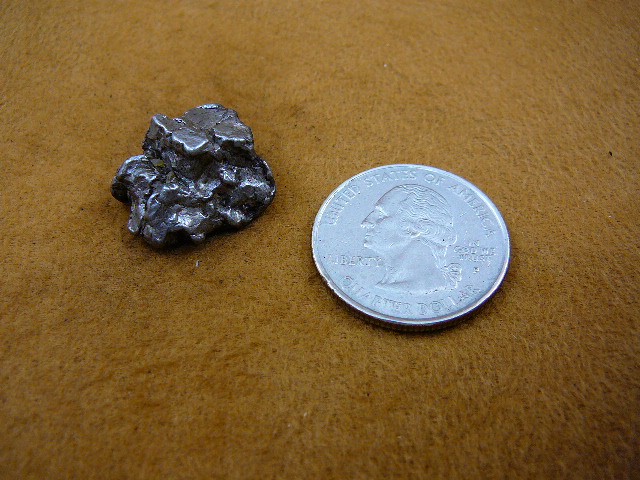
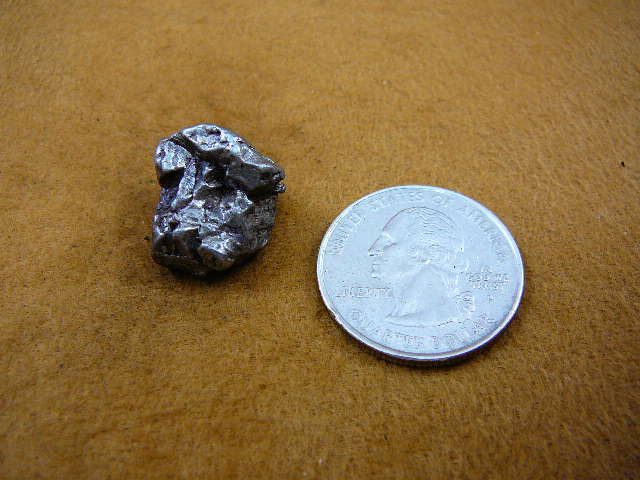
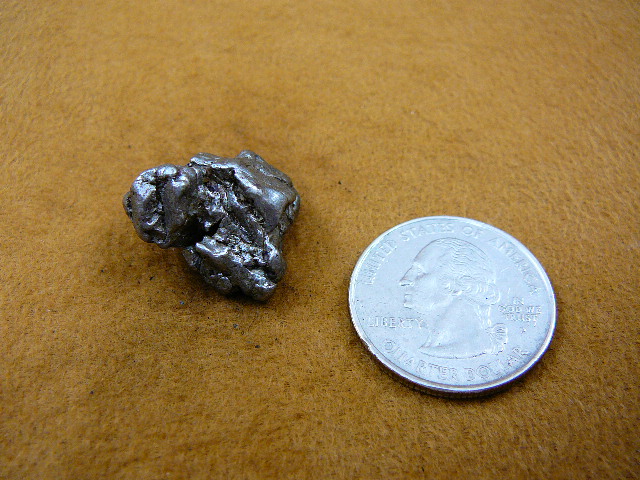
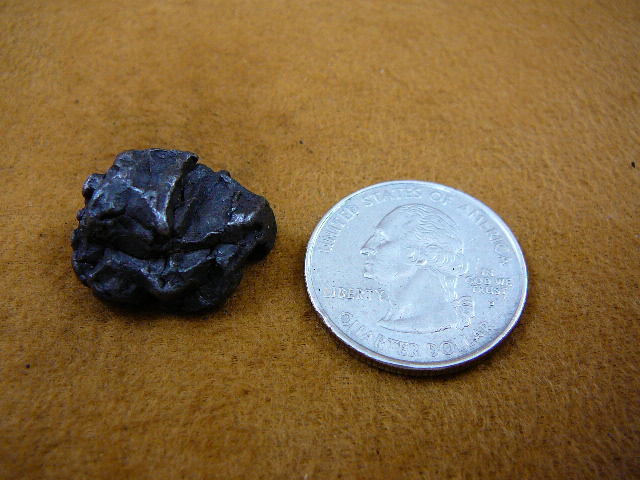
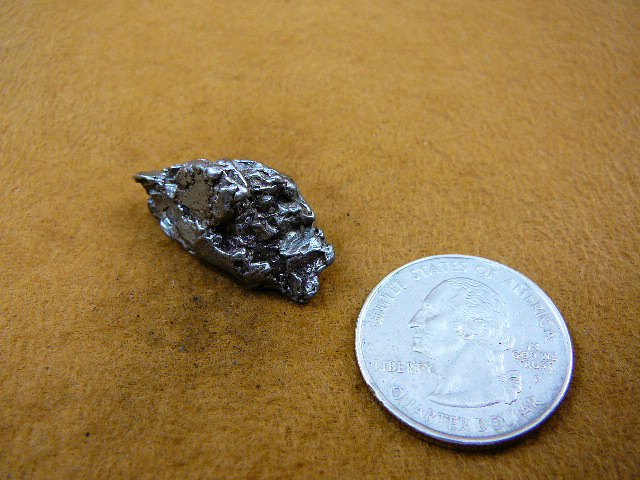
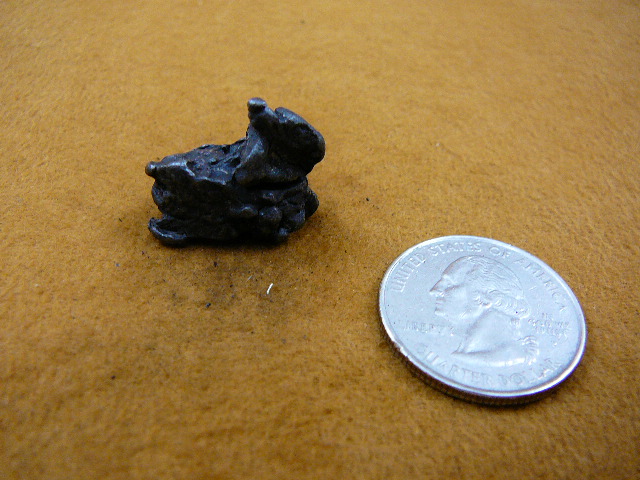
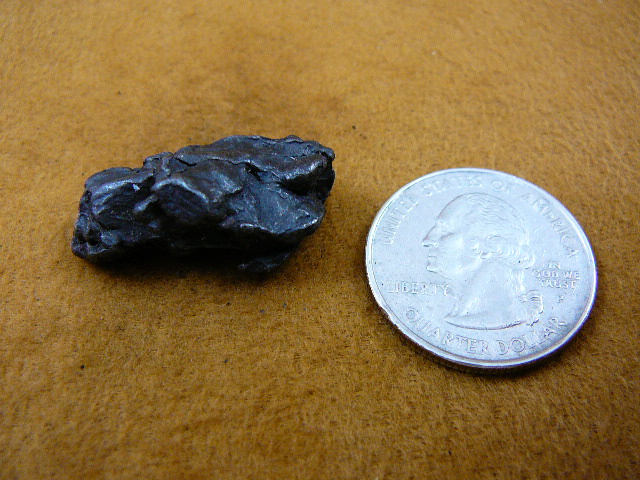
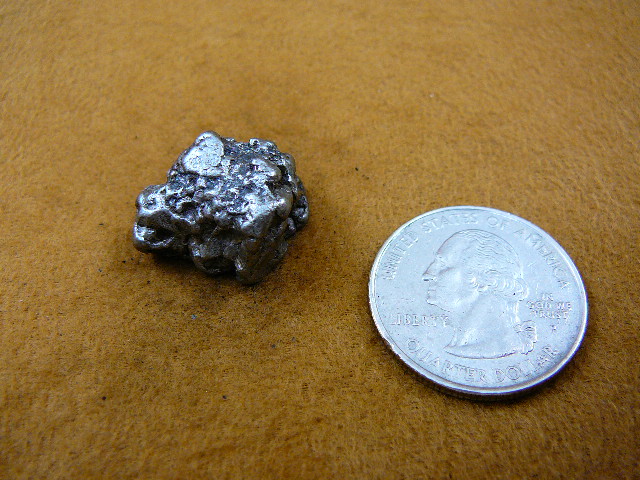
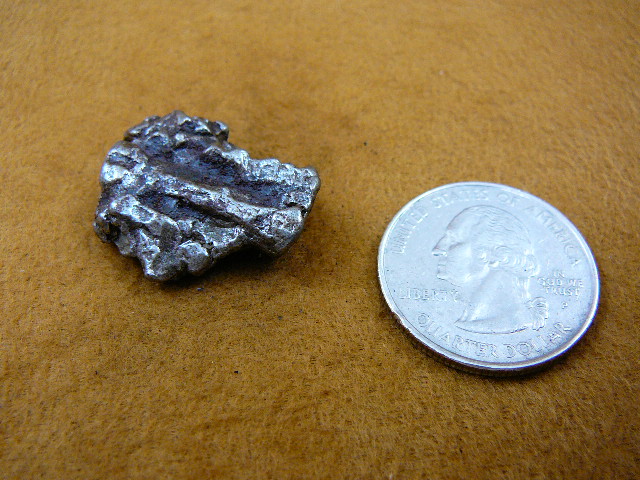
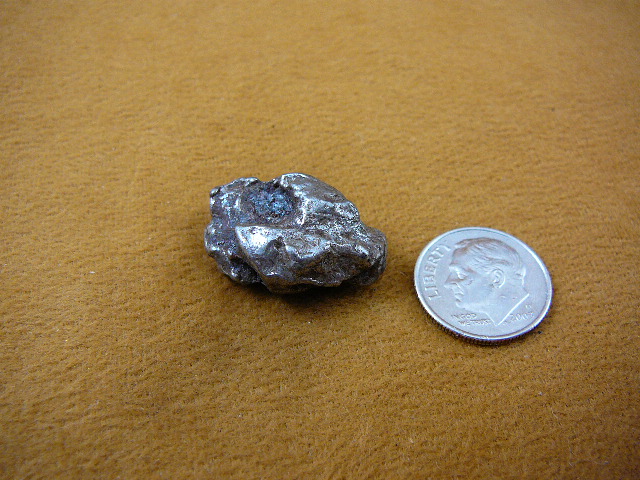
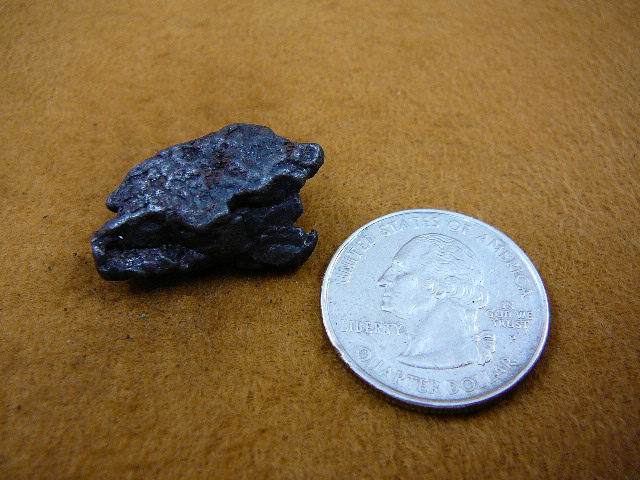
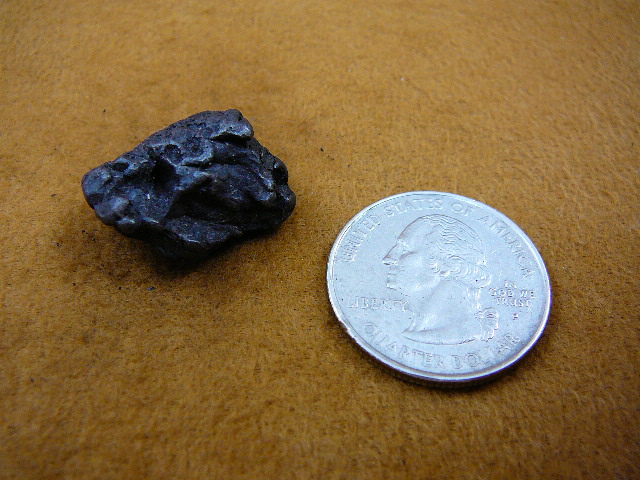
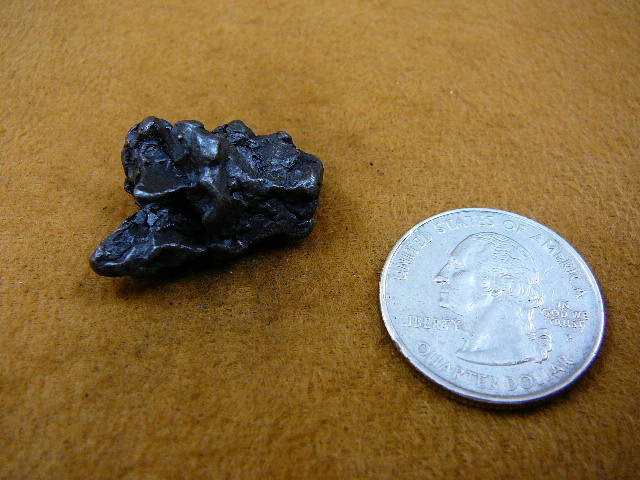
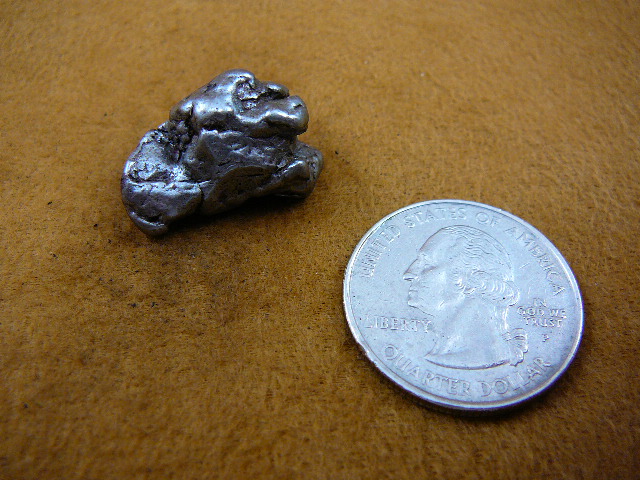
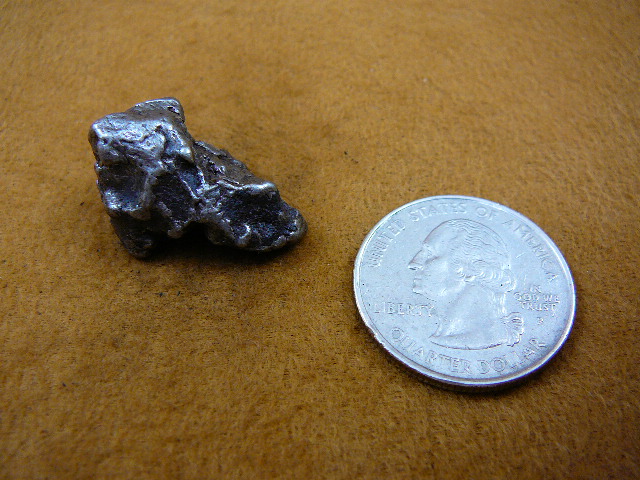
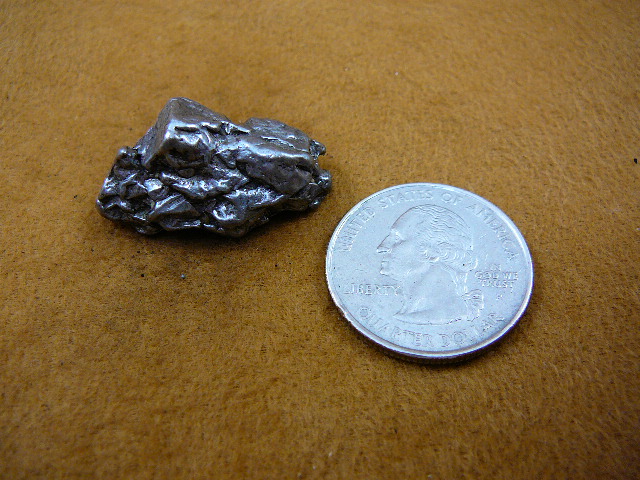
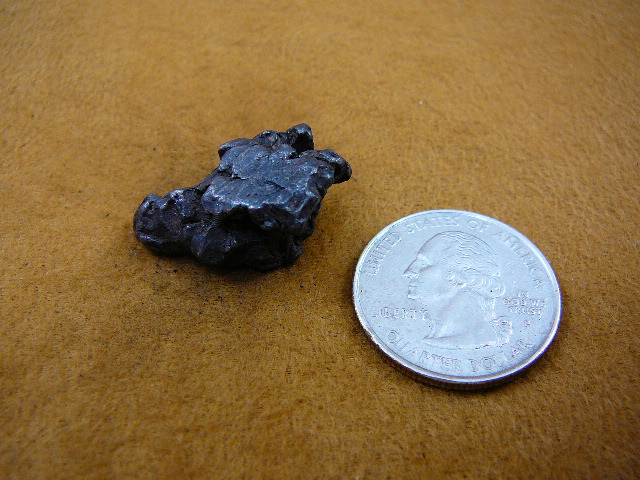
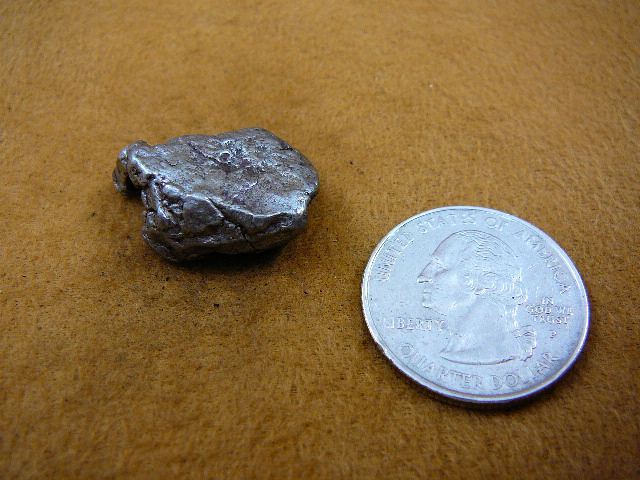
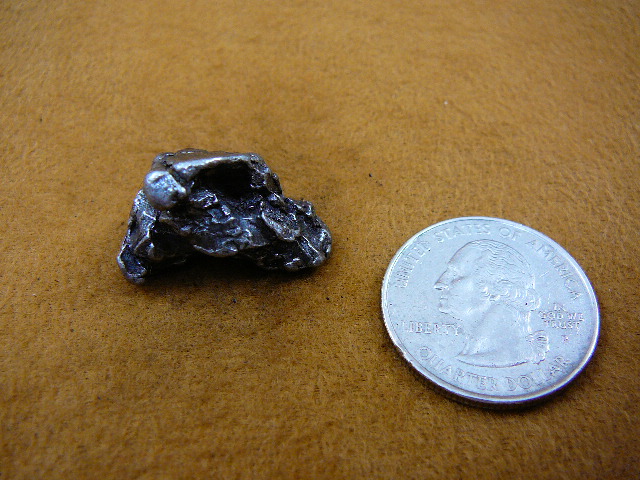
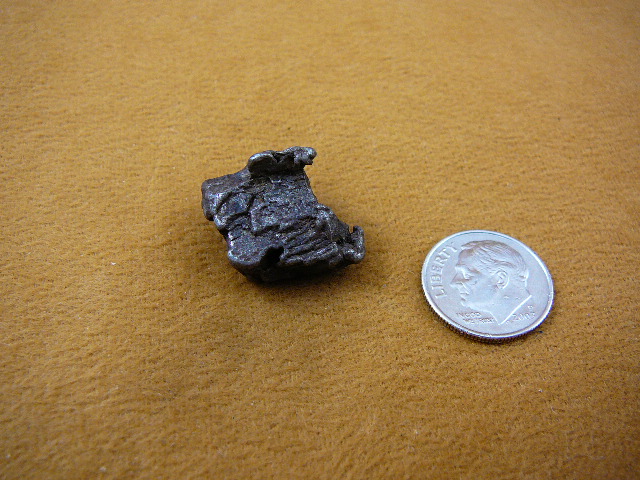
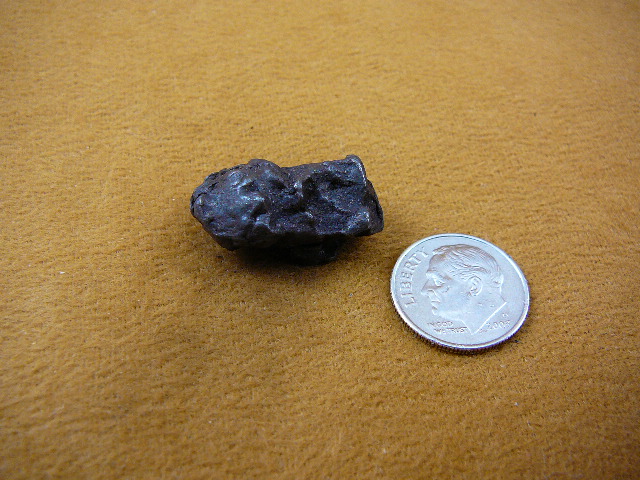
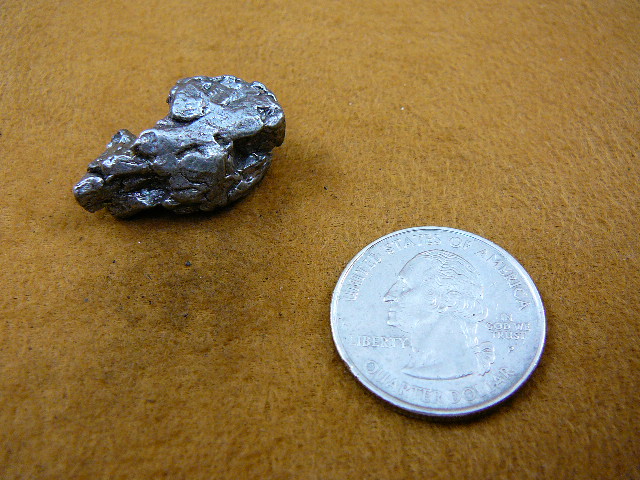
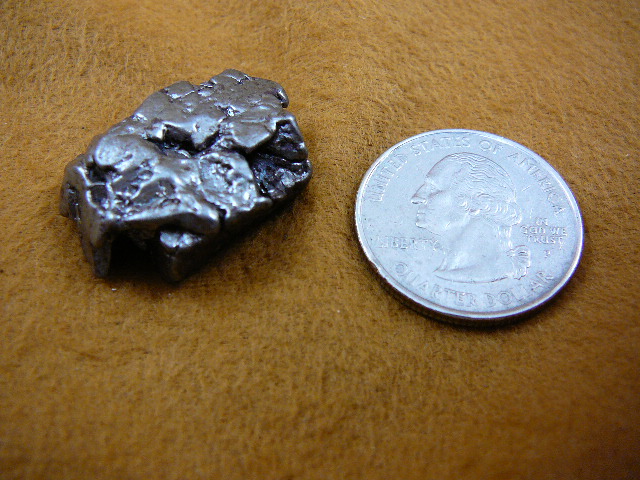
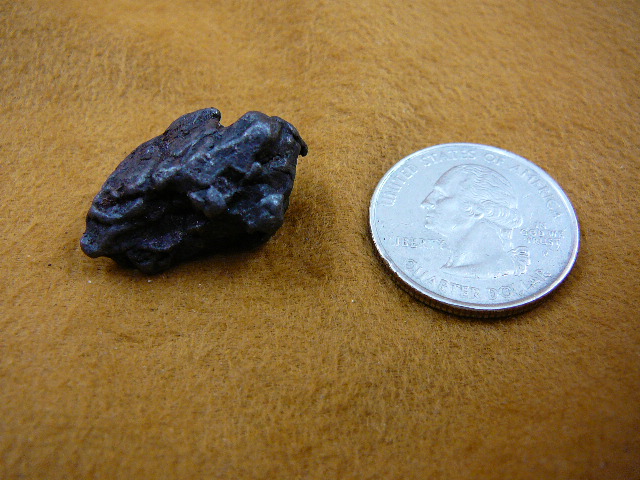
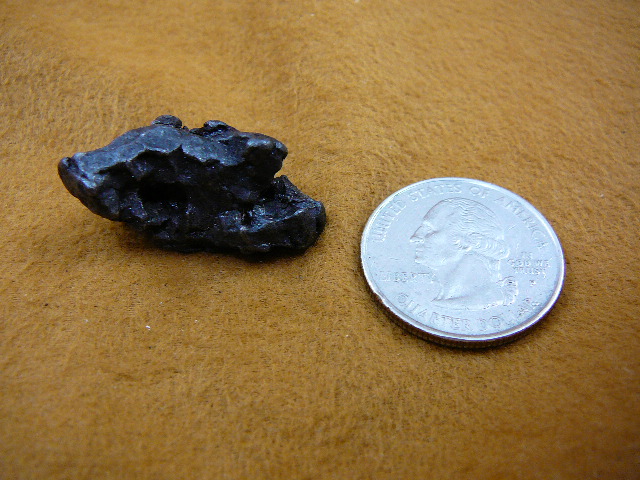
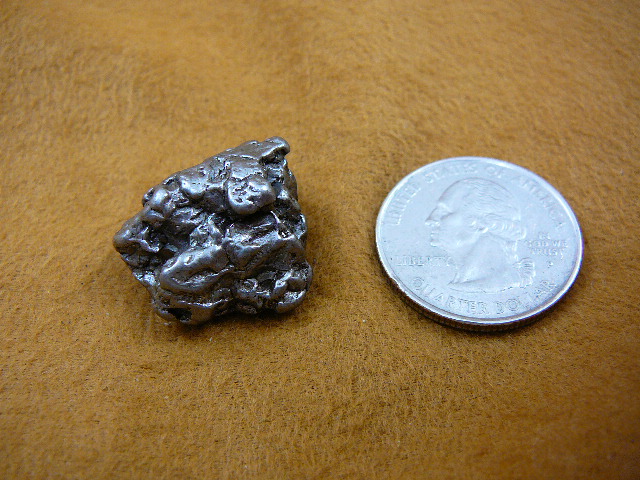
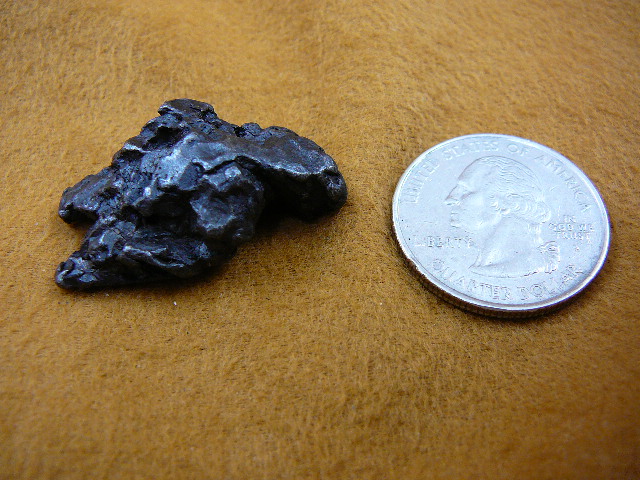
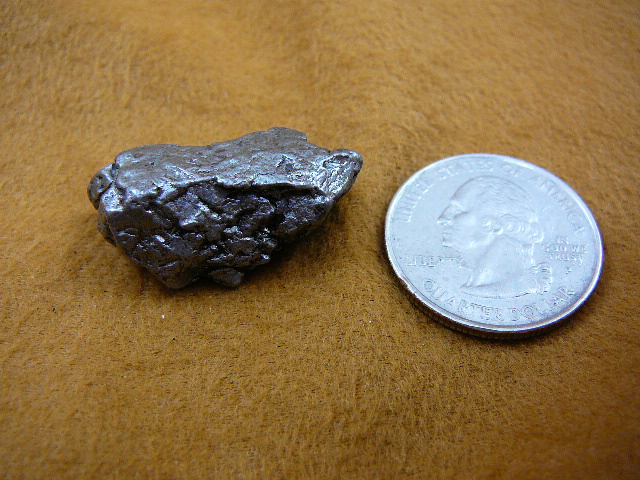
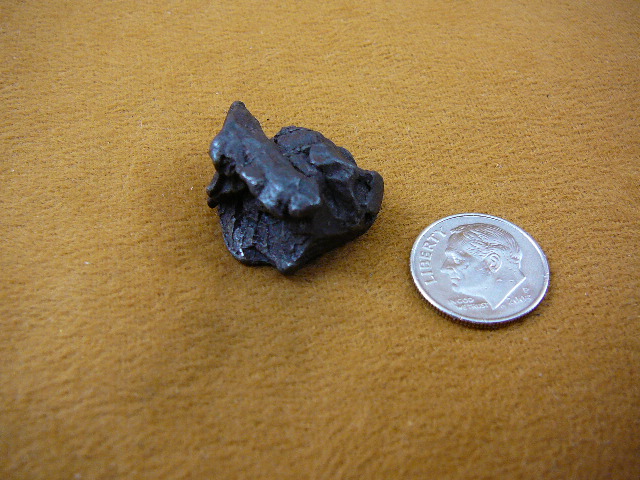
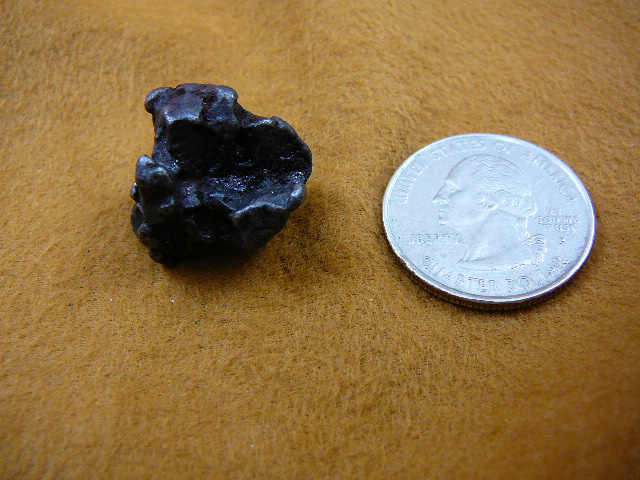
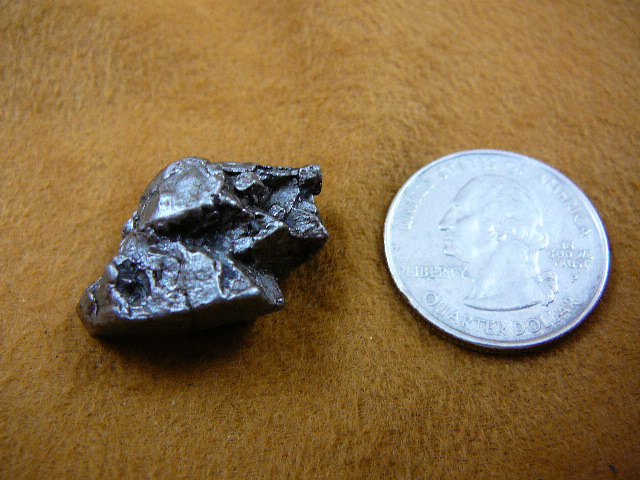
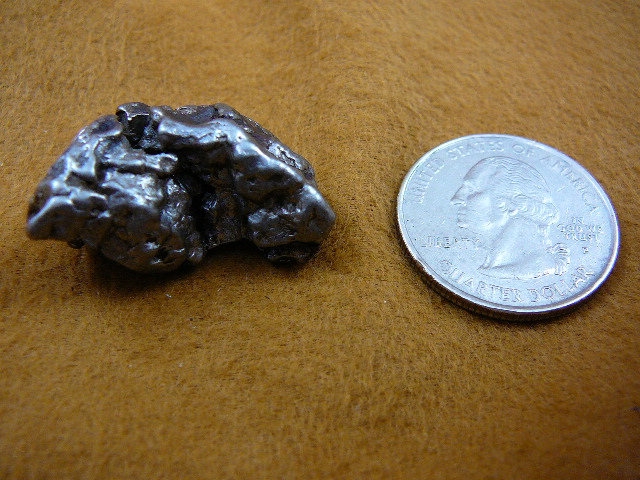
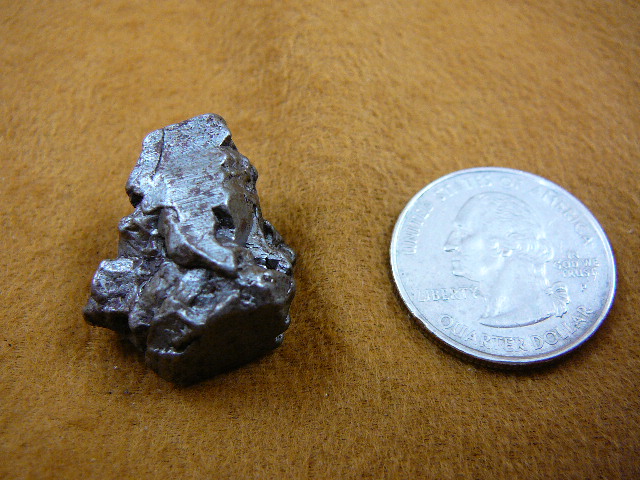
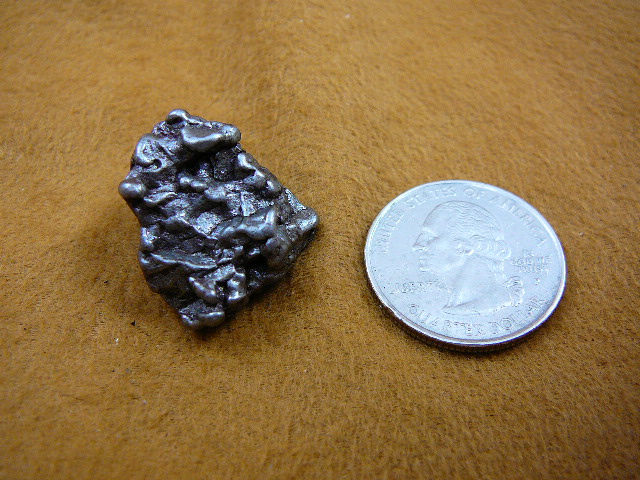
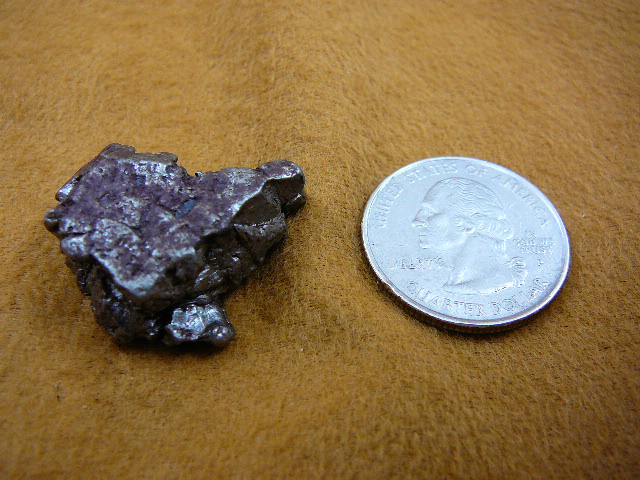
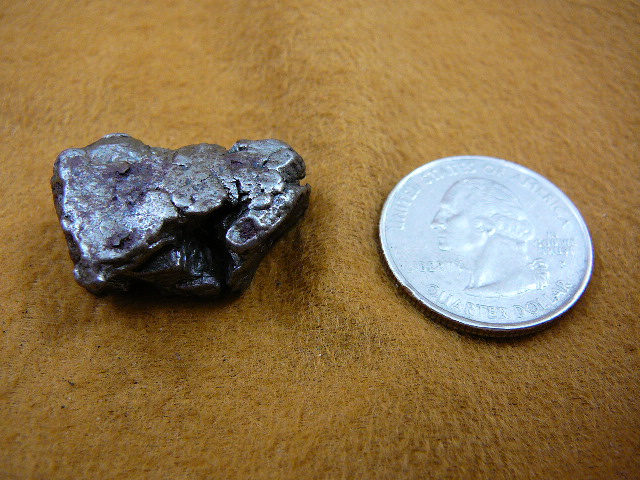
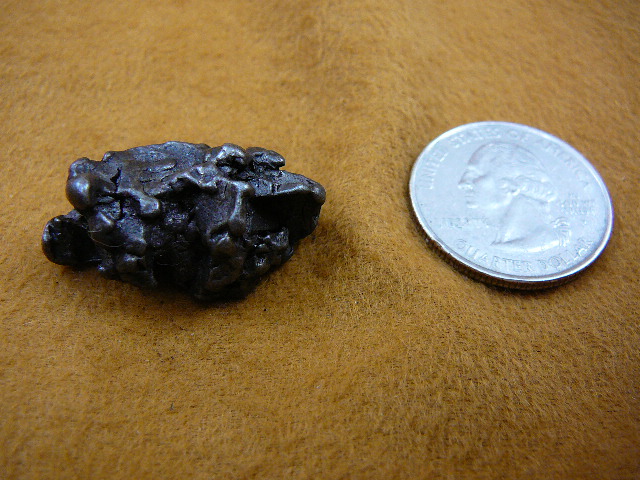
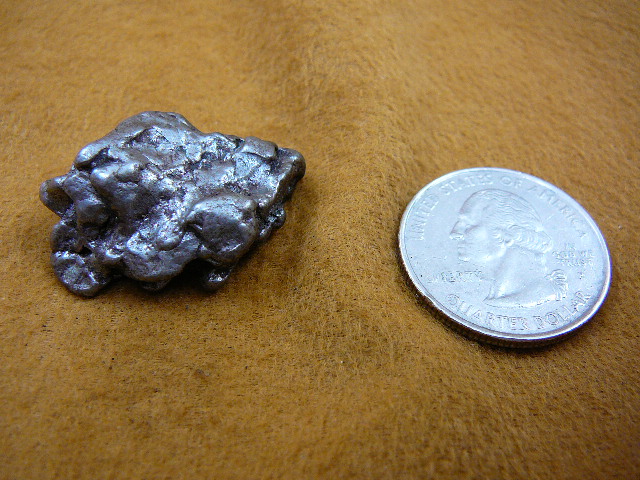
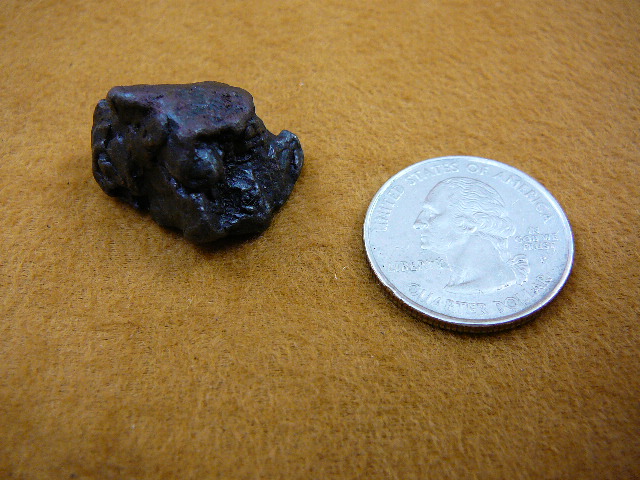
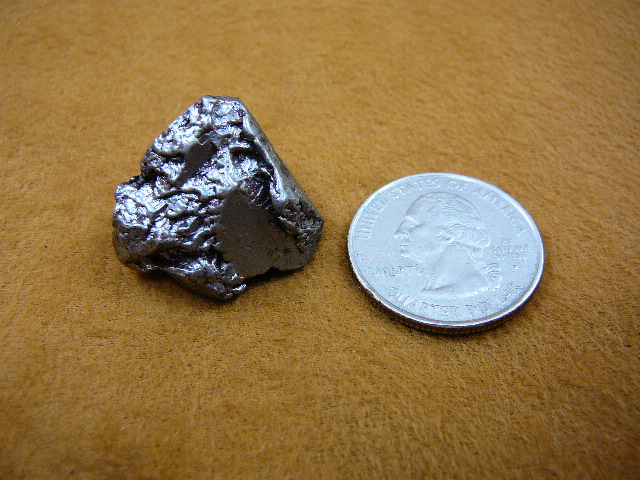
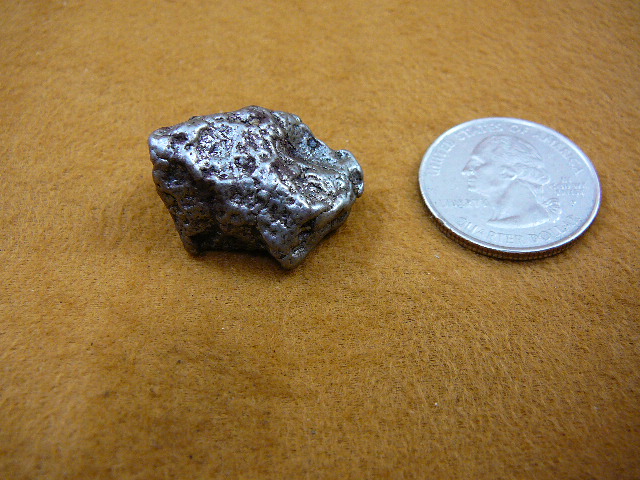
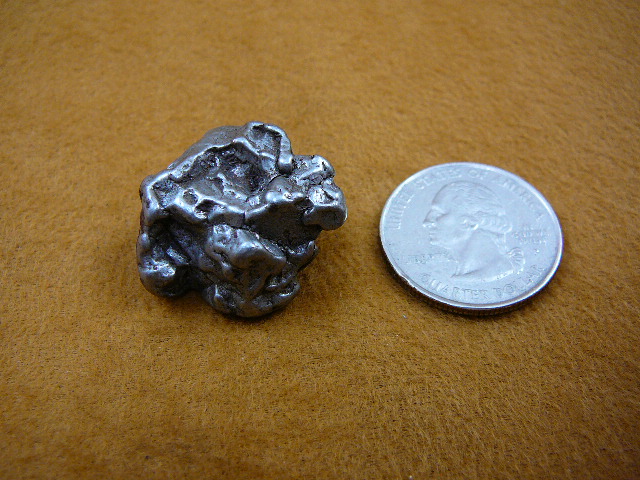
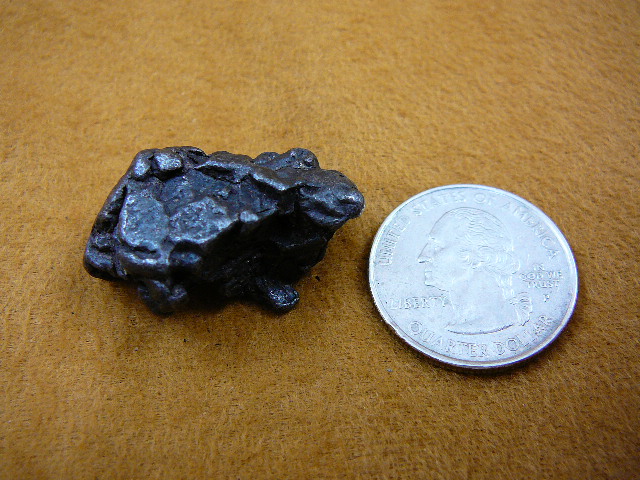
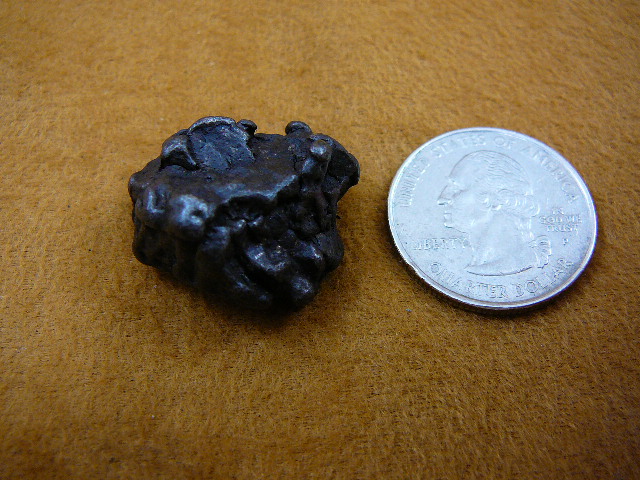
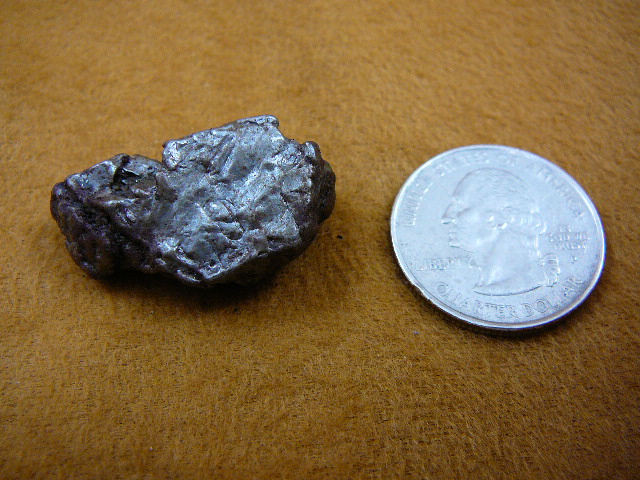
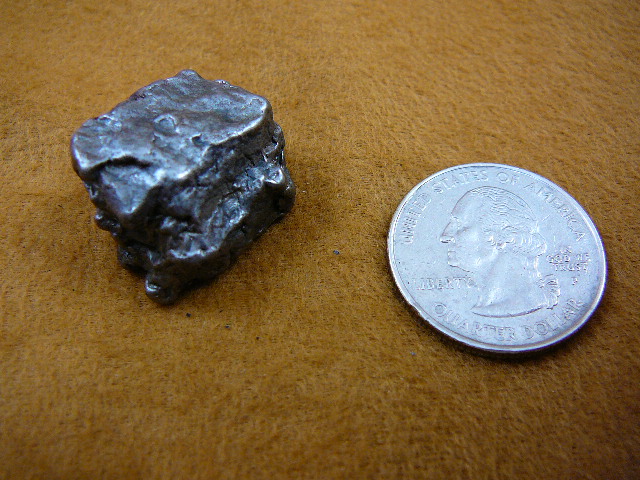
| CAMPO
Meteorites Comes in square
1.25" display box, shown with quarter.
10 grams each
$28 each |

#X-261-2
|

#X-261-4
|
|
| |

#X-261-11 |

#X-261-12 |

#X-261-16 |

#X-261-20 |

#X-261-21 |
Click To Go To:
Meteorites Page 1 Page
3
TABLE OF
CONTENTS ON PAGE 1
|